'Open Printer' Project Targets Inkjet Industry Overhaul Through Raspberry Pi Integration and Open-Source Principles
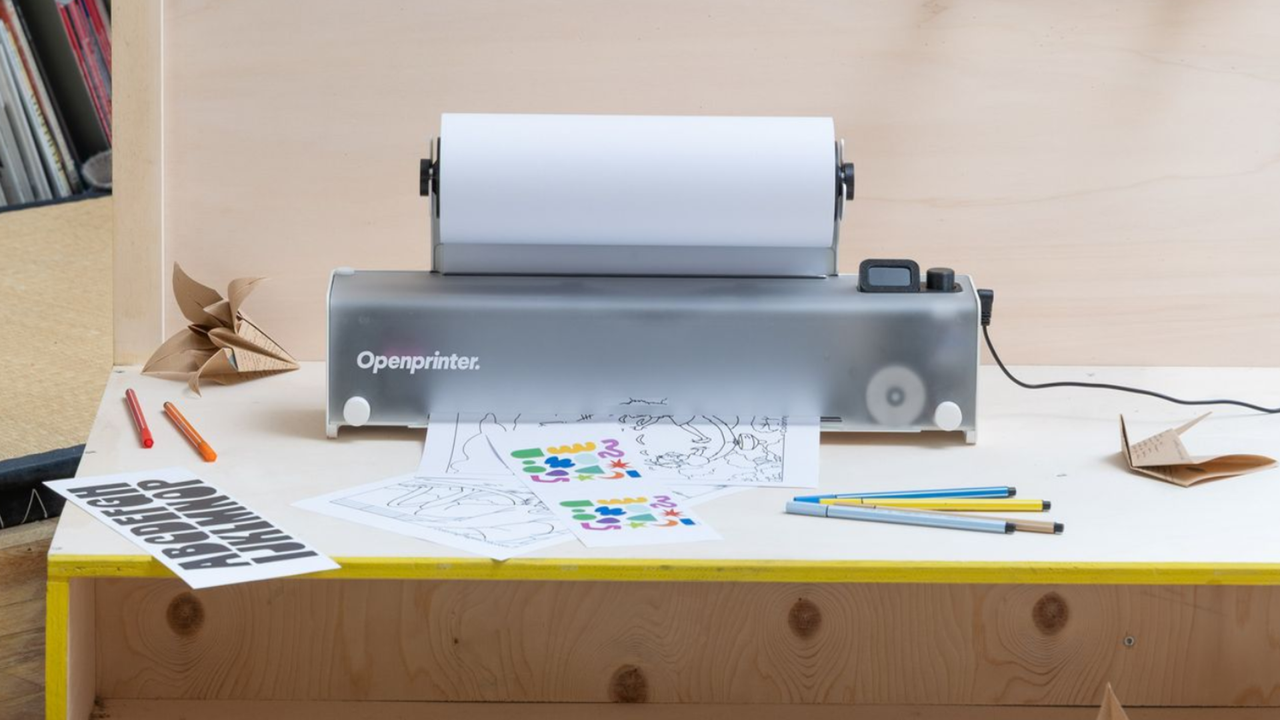
An emerging venture, known as the 'Open Printer' project, endeavors to revolutionize the frequently exasperating domain of home and office printing. It proposes an inkjet device designed to be open-source, easily repairable, and entirely user-manageable. This inventive concept, built around a Raspberry Pi, intends to liberate consumers from the proprietary limitations and digital rights management (DRM) issues that have historically troubled conventional printer ownership.
Fundamentally, the Open Printer champions full autonomy for its users. Its foundational design tenets revolve around open hardware and open firmware, implying that both engineering schematics and software code will be readily available. Such openness is designed to empower owners to comprehend, adapt, and even service their equipment without dependence on parts or service contracts dictated by manufacturers, presenting a sharp divergence from the prevalent closed systems of the current market.
The impetus for the Open Printer project arises from extensive consumer discontent concerning current printer offerings. Numerous users frequently encounter problems with DRM, which has the potential to restrict the utilization of non-proprietary ink cartridges, impose firmware updates that curtail device capabilities, or even completely inhibit printing if specific criteria are not fulfilled. These methods frequently result in elevated operational expenses and foster a sense of predetermined obsolescence, encouraging users to opt for expensive new purchases instead of undertaking repairs.
Utilizing the adaptability of the Raspberry Pi, a widely recognized single-board computer, the Open Printer project conceptualizes a machine that is both extensively customizable and intrinsically more impervious to proprietary vendor lock-ins. This deliberate hardware selection highlights a dedication to an open platform, providing an adaptable base for a printer that genuinely serves its owner, rather than being dictated by its creator.
Although the idea has attracted considerable attention, especially within technology circles and from proponents of open-source hardware, the Open Printer is still a work in progress. The transition from an initial design concept to a product ready for mass production and market distribution entails multiple hurdles, such as procuring necessary components, setting up production lines, and contending with entrenched companies that command the worldwide printer industry.
If the Open Printer ultimately 'sees the light of day,' as its supporters anticipate, it possesses the potential to establish an unprecedented benchmark for consumer electronics, prioritizing ease of repair, environmental longevity, and authentic user governance. Its achievement might compel the wider sector to reassess its current methodologies, conceivably inaugurating an age where printers cease to be a perpetual annoyance and instead become dependable, durable instruments that fulfill their owners' requirements devoid of concealed motives.



Comments (0)
Be the first to comment.
Join the discussion