Nvidia Pushes Into Physical AI, Aiming for Safer Robotaxis and Humanoid Robots
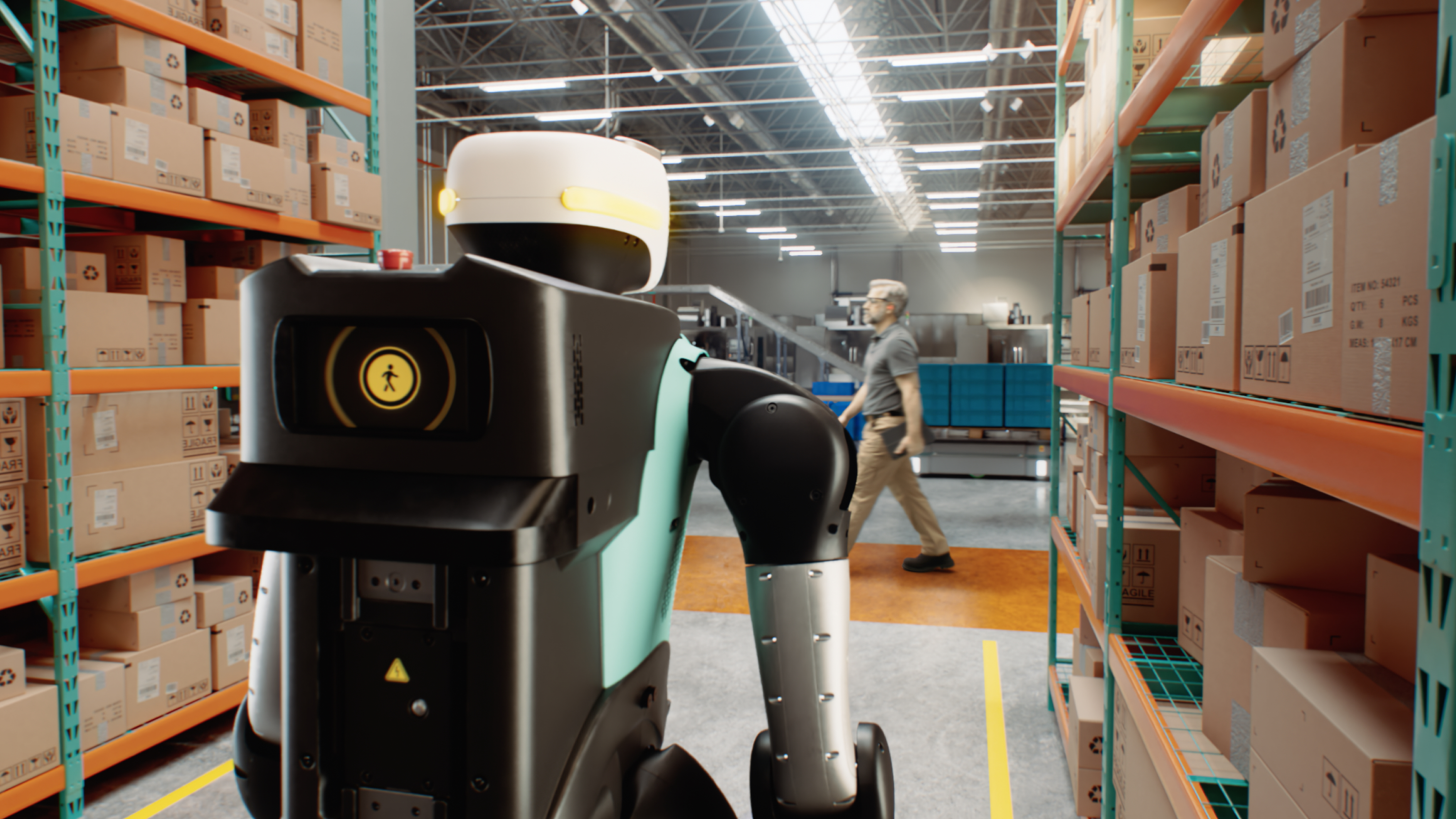
Renowned for its lead in AI data‑center processors, Nvidia is allocating billions toward physical‑AI initiatives that span autonomous‑vehicle platforms to humanoid robots, a strategy that analysts believe may broaden its revenue streams beyond the current lofty valuation.
In its latest disclosures, the chipmaker outlined a multi‑year plan to create custom processors, simulation suites, and software layers intended to drive safer robotaxi fleets and next‑gen humanoid machines. By marrying its flagship GPU and AI‑accelerator chips with physical sensors and control hardware, Nvidia seeks to bridge high‑performance computing and embodied intelligence.
Observers point out that booming investor interest in AI data‑center workloads has lifted Nvidia’s market cap into the multi‑trillion‑dollar tier, yet executives caution that depending on a single segment carries risk. Consequently, the physical‑AI effort is framed as a hedge, applying the same computing know‑how to meet growing needs in autonomous transport and sophisticated robotics.
Within autonomous vehicles, Nvidia is teaming up with multiple automakers and fleet operators to deliver end‑to‑end suites that fuse perception, planning and safety validation. The firm stresses that its platform runs massive simulations, enabling developers to evaluate edge cases and regulatory conditions without putting road users at risk.
On the robotics side, Nvidia’s humanoid development kit aims to provide smoother movement, heightened environmental perception, and adaptive learning. Though commercial roll‑outs are still scarce, the company has displayed prototype demos that hint at future uses in logistics, healthcare and service sectors.
Critics argue that the physical‑AI arena remains early‑stage and capital‑heavy, featuring steep entry barriers and unclear profit horizons. Still, Nvidia’s sizable resources and developer ecosystem provide a competitive advantage in defining standards for AI‑centric hardware and software integration.
Looking forward, Nvidia intends to introduce further hardware generations and broaden its simulation cloud offerings, underscoring a long‑term pledge to render AI‑driven robots and autonomous cars dependable and cost‑effective. The outcome of these projects will probably shape investor perception of Nvidia’s valuation sustainability, which hinges largely on anticipated physical‑AI breakthroughs.


Comments (0)
Be the first to comment.
Join the discussion