Nvidia looks to turn Germany’s retired nuclear plants into expansive AI data centers, dismisses any reactor restart
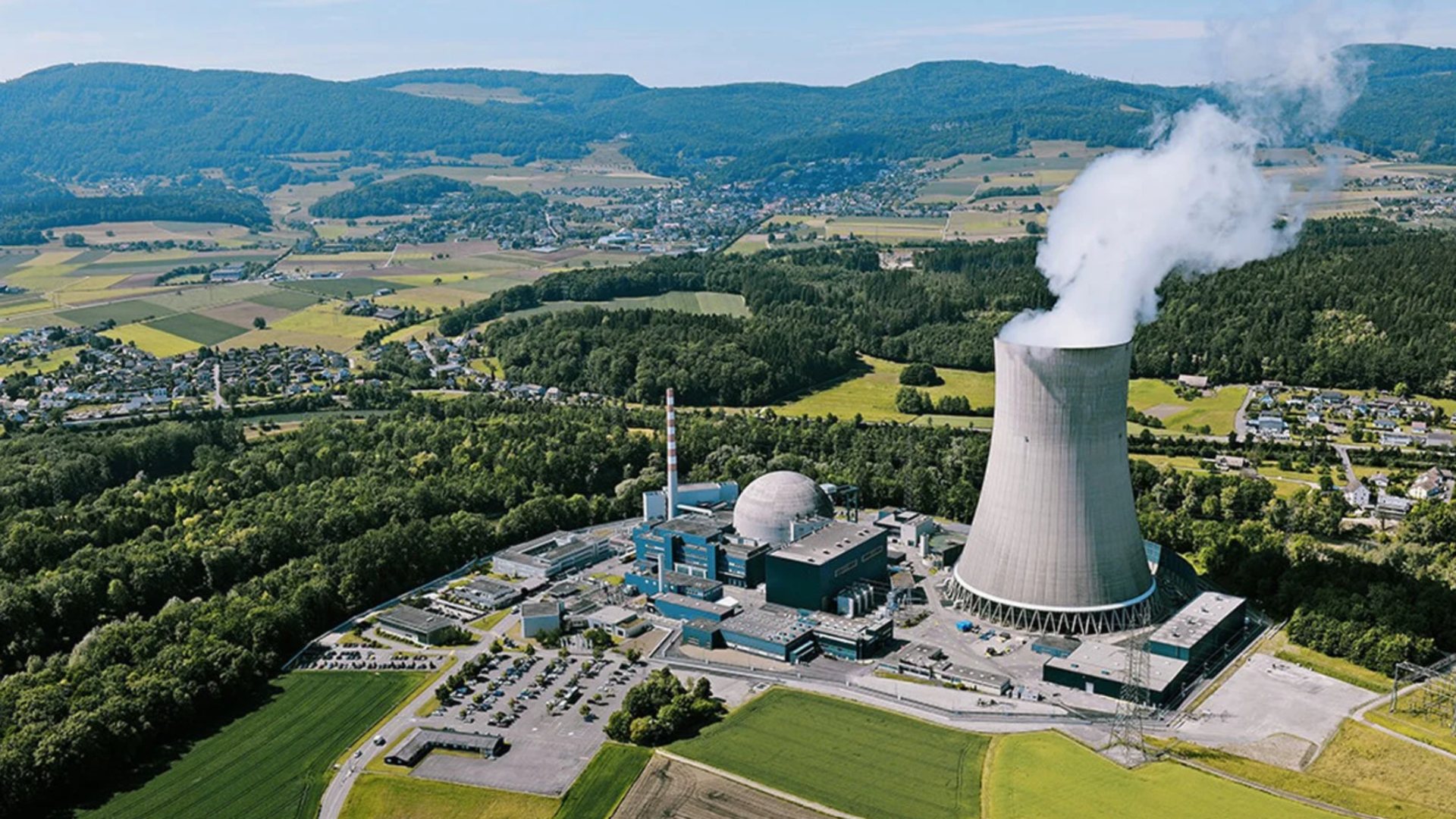
Nvidia, the tech heavyweight, said it will investigate turning Germany’s dormant nuclear power plants into extensive AI data facilities, working together with regional utility PreussenElektra. The initiative arrives while Berlin presses on with its multi‑year nuclear shutdown, which has left many former reactors pending decommissioning and has generated an excess of protected, grid‑linked infrastructure.
Having resolved to close every nuclear facility by the end of 2022—a policy hastened by the 2011 Fukushima incident—Germany now has a mosaic of concrete containment structures, cooling towers and high‑capacity transmission lines that lack an obvious post‑shutdown role. Analysts point out that reusing these locations is difficult, as they demand thorough safety and environmental clean‑up before any alternative function can commence.
In a combined press release, Nvidia and PreussenElektra said they will evaluate whether high‑density server farms can be technically accommodated within the current plant boundaries. The locations already feature strong electricity provision, cooling‑water availability and fortified buildings—qualities that match the power‑hungry needs of contemporary AI training clusters. Nvidia emphasized that its focus is solely on building data centers and it does not plan to reactivate any reactors or modify the decommissioning timeline.
The plan is viewed by many stakeholders as a possible win‑win scenario. Nvidia could benefit from being close to Europe’s renewable‑rich grid, lowering the carbon footprint of its compute tasks, while Berlin aims to extract economic benefit from otherwise idle assets. Yet local towns have expressed both hope and wariness, calling for open environmental impact studies and community engagement prior to any building work.
Specialists point out that converting nuclear facilities into data hubs is not a novel idea; comparable proposals have surfaced in the United States and Japan, where the pre‑existing power networks can meet the huge electricity demand of AI equipment. However, they caution that the transformation must contend with stringent nuclear safety rules, obtain construction permits, and manage public worries about lingering radiation and site security.
Upcoming actions include thorough site inspections, cost‑benefit evaluations, and discussions with federal and state authorities. Should the feasibility work yield favorable results, Nvidia and PreussenElektra may proceed to pilot projects within the next two years, possibly establishing a model for other retired nuclear sites throughout Europe. Both the technology sector, keen on low‑latency, high‑capacity compute centers, and energy policymakers, charged with finding sustainable roles for Germany’s nuclear legacy, will be watching the developments closely.



Comments (0)
Be the first to comment.
Join the discussion