Nvidia Introduces Rubin GPU Featuring Over 50,000 CUDA Cores, Aiming for 2028 HPC Deployment
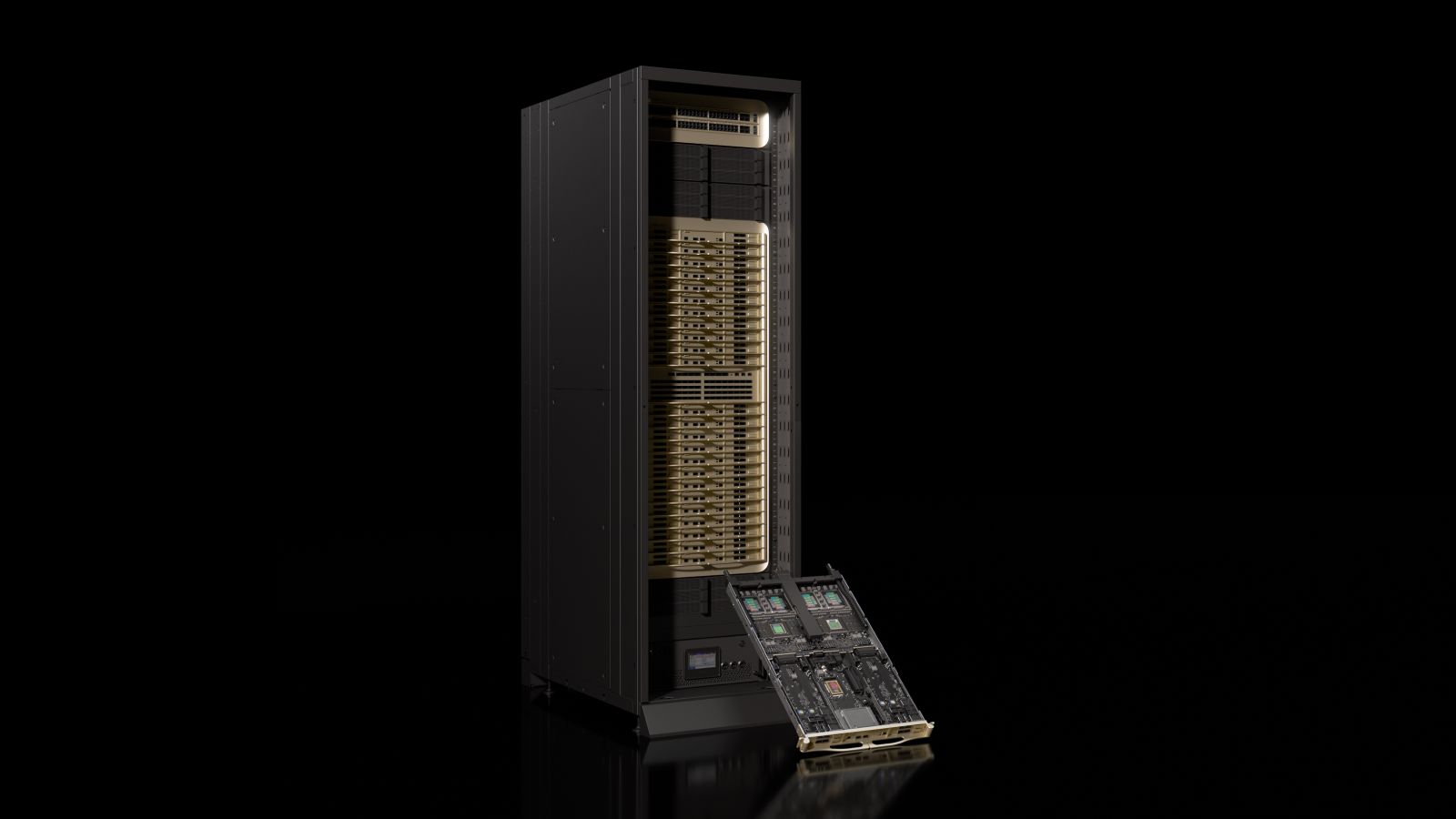
Nvidia revealed its newest high‑performance computing chip, named Rubin, equipped with upwards of 50,000 CUDA cores—about threefold the core tally of its flagship RTX 5090 GPU.
This architecture raises the core total past the RTX 5090’s 21,760 by roughly 28,240, a jump Nvidia claims will support more intricate simulations, AI model training, and scientific tasks that require extensive parallelism.
Rubin is aimed squarely at scientific and research applications instead of consumer gaming machines. According to Nvidia’s roadmap, the chip will appear in operational HPC installations beginning in 2028, allowing users to design and embed it within supercomputing clusters and data‑center settings.
The news arrives amid rising demand for AI‑powered research and massive modeling that outstrips current GPU capacities. Analysts observe that the swift expansion of climate simulation, pharmaceutical discovery, and autonomous‑vehicle training is pushing makers to pursue ever‑higher core counts and greater memory bandwidth.
Although Nvidia has yet to release specific performance figures, the dramatic rise in CUDA cores hints at a notable lift in raw compute throughput. The firm is expected to combine Rubin with next‑gen memory and interconnect solutions to curb bottlenecks and maintain the elevated parallelism.
Looking forward, the 2028 schedule offers OEMs and research bodies a period to schedule upgrades and assess how Rubin will align with upcoming standards like PCIe 6.0 and future iterations of Nvidia’s NVLink. Should the chip meet its promised specs, it may establish a fresh benchmark for scientific computing and cement Nvidia’s lead in the premium GPU arena.



Comments (0)
Be the first to comment.
Join the discussion