Novel Method Increases RNA Yield from Human Lung Tissue Slices
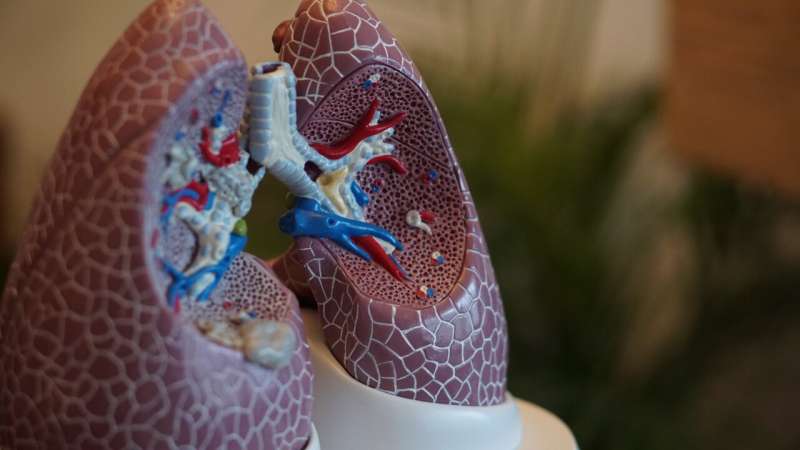
Researchers have introduced an enhanced lab method that substantially boosts both the yield and integrity of RNA extracted from precision‑cut lung slices, a model preserving the organ’s native cellular complexity for ex‑vivo study.
Precision‑cut lung slices (PCLS) consist of thin sections of fresh human lung tissue that maintain the detailed architecture of airways, blood vessels and immune cells. Because the slices stay viable for days, scientists employ them to probe disease mechanisms, evaluate inhaled therapeutics, and study viral infection responses without resorting to animal models.
Yet the very substance used to stabilize lung tissue during slicing—generally a low‑melting agarose or comparable hydrogel—has historically impeded downstream molecular work. This polymer can entrap nucleic acids and interfere with reagents in standard extraction kits, leading to low RNA yields and degraded samples unsuitable for high‑resolution gene‑expression analysis.
To overcome this obstacle, the team refined the lysis protocol by adding a short enzymatic digestion that dissolves the embedding matrix, followed by a revised buffer formulation that safeguards RNA from degradation. In direct side‑by‑side tests, the revised workflow generated up to three times more intact RNA than traditional approaches, with integrity metrics comfortably within the thresholds required for next‑generation sequencing.
The improved RNA recovery enables more comprehensive transcriptomic profiling of PCLS, encompassing bulk RNA‑seq and emerging single‑cell techniques. Investigators can now examine how distinct lung cell populations react to pollutants, allergens, or therapeutic agents with heightened statistical power, even when only limited tissue is available.
Since the protocol utilizes reagents commonly stocked in molecular biology laboratories, the authors anticipate swift uptake across pulmonary research facilities. They also propose that the same concept could be transferred to precision‑cut slices of other organs, potentially simplifying gene‑expression studies in heart, liver or kidney tissue. The complete method has been released publicly, facilitating broader application in drug development and personalized‑medicine research.


Comments (0)
Be the first to comment.
Join the discussion