New Research Unveils How Common Gut Bacterium Drives Colon Cancer
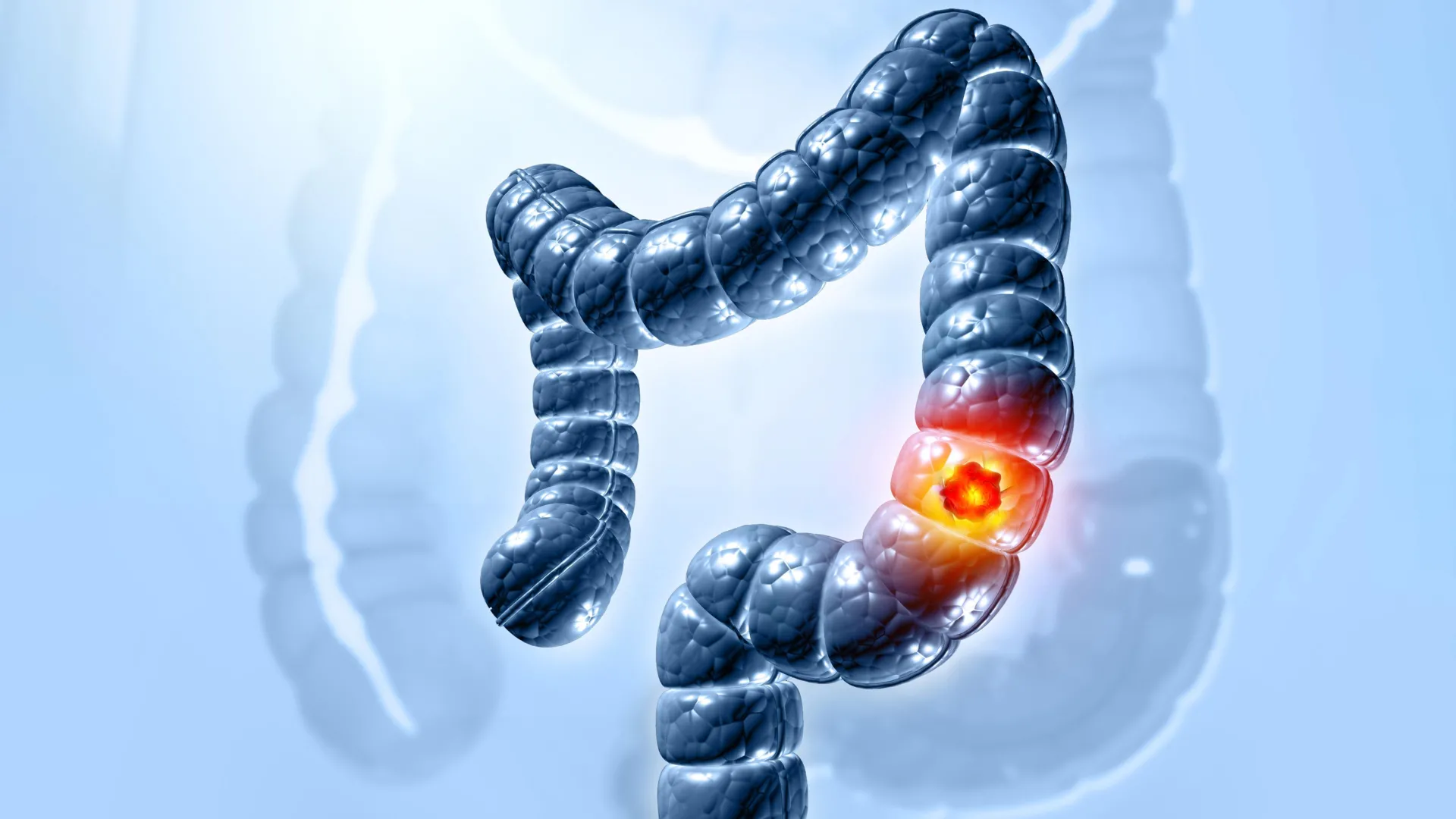
Researchers have identified a crucial mechanism through which a toxin generated by a prevalent gut bacterium contributes to the development of colorectal cancer. This revelation illuminates a long-standing puzzle concerning how this specific bacterial byproduct compromises the colon’s cellular defenses, bringing scientists closer to deciphering the elaborate connection between the gut microbiome and one of the most widespread forms of cancer.
The lynchpin of this damaging process resides in a receptor protein known as claudin-4. Scientists determined that the bacterial toxin directly targets and binds to claudin-4, which ordinarily functions in maintaining the integrity of cellular barriers. This interaction serves as a molecular key, enabling the toxin to gain entry and assault the protective lining of the colon cells.
Colorectal cancer continues to represent a major global health challenge, and the role of gut bacteria in its initiation and progression has been the subject of intensive scientific inquiry. While a correlation between specific microbial communities and cancer risk has been observed, the precise molecular pathways through which particular bacterial components exert their detrimental effects have largely remained obscure until now.
The finding that claudin-4 acts as the gateway for this bacterial toxin holds particular significance. By pinpointing this specific receptor as a 'vulnerable point,' researchers have identified a critical step in the sequence of events that can lead to cellular damage and potentially cancer formation within the colon. This level of detail offers a much clearer understanding than previously available.
Understanding this complex interaction is vital because it presents new avenues for therapeutic intervention. If the toxin's capacity to bind to claudin-4 can be disrupted, or if the receptor itself can be modulated, it could potentially prevent the toxin from initiating its harmful impacts on colon cells. This could pave the way for novel strategies aimed at either prevention or treatment.
Future investigations may concentrate on developing pharmaceuticals or other interventions that specifically block the toxin's interaction with claudin-4. Such targeted approaches could offer a more precise method to mitigate the risk posed by this common gut bacterium without broadly disrupting the beneficial aspects of the gut microbiome, which are essential for overall health.
This breakthrough signifies a substantial advancement in our comprehension of how the microscopic world within our gut can influence macroscopic health outcomes, particularly in the context of cancer. It underscores the importance of continued exploration into the complex interplay between host cells and microbial inhabitants in the ongoing quest to combat diseases like colorectal cancer.


Comments (0)
Be the first to comment.
Join the discussion