Neill Blomkamp, Sci-Fi Director, Explores AI Filmmaking with 'Nightborne' Amidst Initial Mixed Reactions
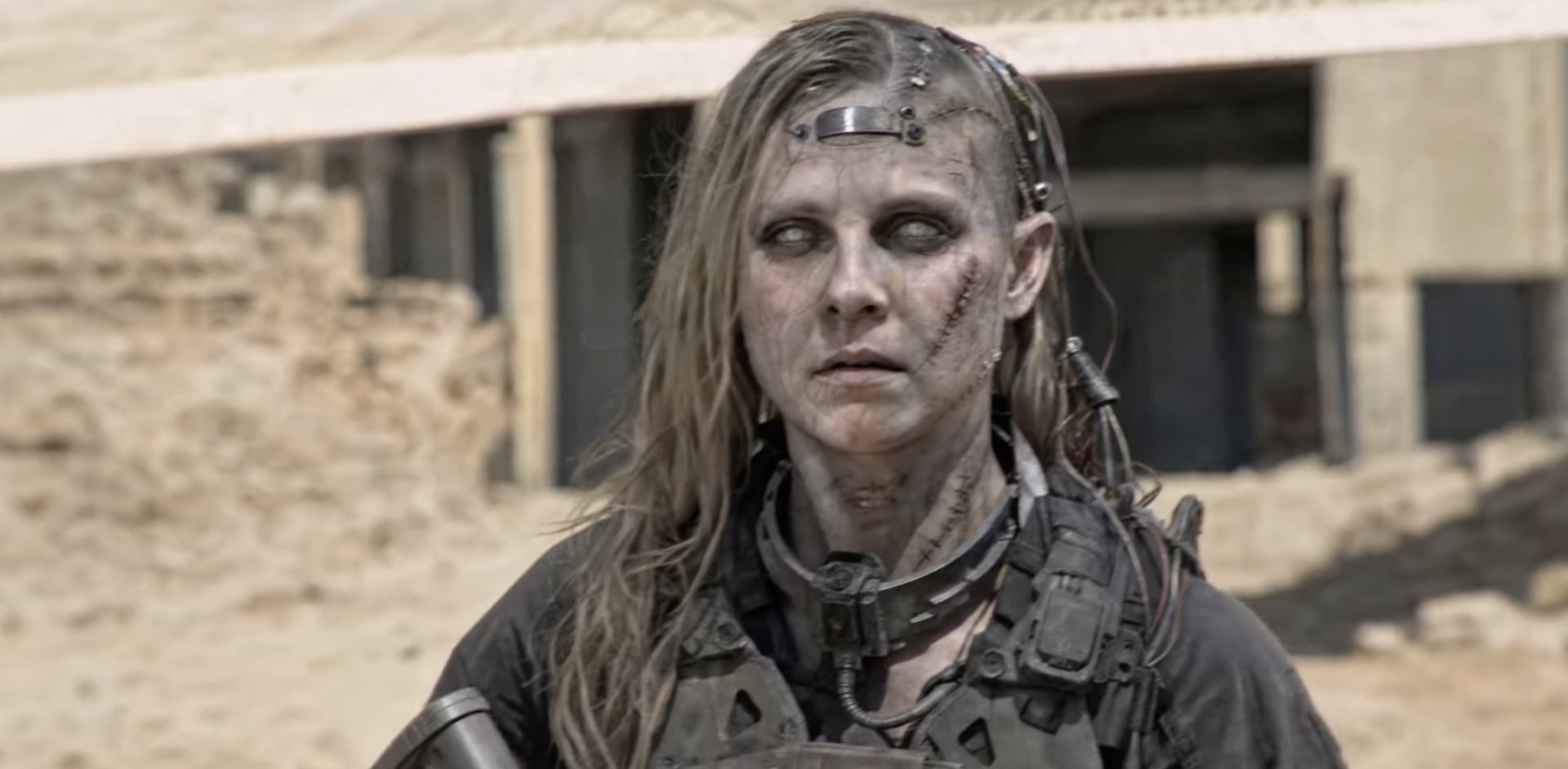
Neill Blomkamp, the visionary director recognized for his unique science fiction sagas, has revealed a fresh horror short called "Nightborne," which he states was produced entirely by artificial intelligence. This venture into AI-powered content represents a notable move for a director of his standing, sparking instant debate across the film sector about the potential and creative value of such innovations. Blomkamp has also mentioned that his subsequent endeavor will be a full-length movie likewise crafted with AI technologies.
The debut of "Nightborne" rapidly ignited conversation, with initial feedback from reviewers, including an article from Gizmodo, indicating a somewhat underwhelming response concerning the clip's production quality. Although specific information about the AI instruments employed remains limited, the sheer method of its genesis underscores a daring experiment by Blomkamp, a filmmaker whose work has continually expanded visual frontiers.
Blomkamp's history in visual effects, which predates his acclaimed directorial introduction with "District 9," renders his foray into AI especially significant. His cinematic works, such as "Elysium" and "Chappie," frequently earn praise for their inventive visual narratives and raw authenticity, qualities that traditionally necessitate profound human skill and precise execution. His adoption of AI implies a conviction in its capacity to transform creative workflows.
The motion picture sector has been contending with the increasing impact of artificial intelligence across numerous facets, ranging from pre-visualization to post-production. While AI has been utilized for particular functions for an extended period, its deployment in crafting complete sequences or even entire storylines sparks deep inquiries concerning authorship, intellectual property rights, and the evolving place of human artists.
Blomkamp's declaration of an impending AI-produced feature film escalates these conversations even further. If such an undertaking materializes, it would stand as one of the most prominent efforts to date for a completely AI-powered cinematic endeavor, conceivably establishing a benchmark for how major studios and independent creators might approach content production moving forward.
Nonetheless, the preliminary critical evaluation of "Nightborne" highlights the existing constraints and difficulties intrinsic to AI-created artistic pieces. Despite swift progress in machine learning, attaining subtle storytelling, profound emotional resonance, and consistent artistic excellence frequently presents a considerable obstacle for automated platforms. The feedback on Blomkamp's short implies that while AI can generate visuals, transforming them into captivating narrative art remains an intricate process.
As discourse surrounding AI in artistic domains progresses, Blomkamp's groundbreaking initiatives with "Nightborne" and his proposed feature will unquestionably function as vital case studies. The results of these ventures could either affirm AI's promise as a potent new creative collaborator or underscore the indispensable worth of human artistic insight within cinema.

Comments (0)
Be the first to comment.
Join the discussion