NASA Invites Public Feedback on Hubble’s Ultimate Destination as Its Orbital Service Winds Down
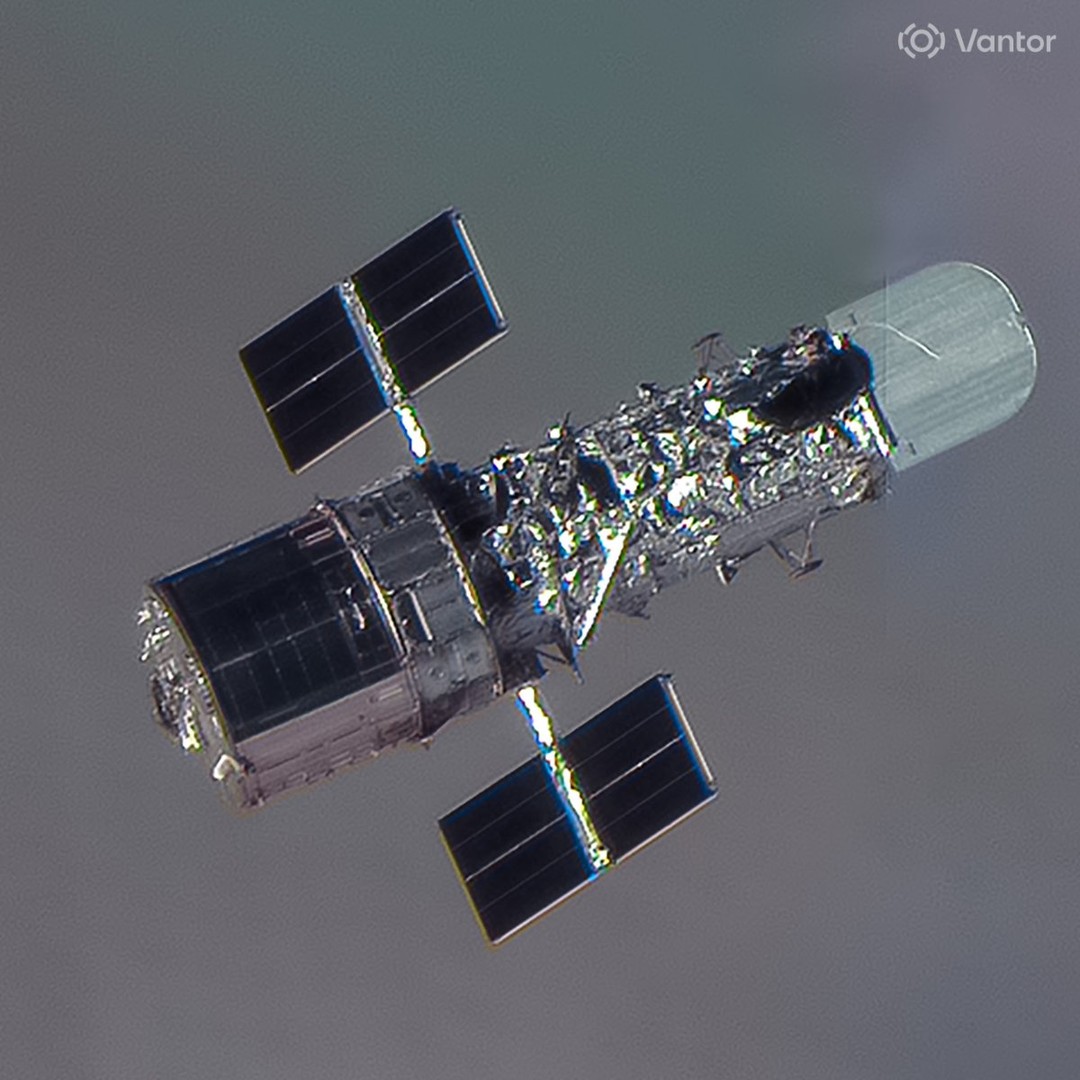
Having delivered pioneering observations for over thirty years, the Hubble Space Telescope is now nearing the conclusion of its service life. NASA representatives have launched a public consultation to consider alternatives for the veteran observatory, which will inevitably plunge back into Earth’s atmosphere sometime in the early‑to‑mid‑2030s should no further measures be taken.
Since its 1990 launch, Hubble has become a hallmark of contemporary astronomy, producing pictures that transformed our perception of the universe and supplying data that underlies innumerable scientific articles. Yet the telescope’s aging gyroscopes, reaction wheels, and other mechanical parts have degraded its maneuverability, curbing its capacity to aim accurately at fresh targets and rendering routine upkeep ever more challenging.
In its newest request for information, the agency invites scientists, engineers, and citizens to evaluate the pros and cons of a few potential paths: guiding the telescope into a controlled de‑orbit, allowing it to disintegrate naturally, or pursuing a final servicing mission employing advanced robotic systems. Every option presents its own technical hurdles and financial ramifications, and the consultation seeks a wide array of viewpoints prior to reaching a final decision.
Specialists warn that an uncontrolled re‑entry carries hazards, even though the probability of debris striking inhabited zones remains small. In contrast, a controlled descent would need a dedicated launch vehicle and exact navigation to guide the craft toward an isolated oceanic region. Conversely, a robotic refurbishment could prolong Hubble’s scientific output for several additional years, yet it would require substantial development effort and financing that might contend with other priority projects like the James Webb Space Telescope and forthcoming planetary probes.
The result of this discussion will define the legacy of one of humanity’s most revered scientific tools. While NASA weighs budgetary limits against the aim of extracting maximum value from its historic investment, public feedback could determine if Hubble concludes its mission silently, stages a final dramatic re‑entry, or obtains one last technological upgrade to continue probing the cosmos a bit longer.



Comments (0)
Be the first to comment.
Join the discussion