Micromobility Accidents Lead to Over £110M in Payouts, Pushing Up Insurance Premiums
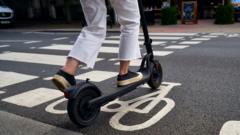
Compensation awarded for harm suffered in accidents involving micromobility devices, including e-bikes and electric scooters, has now climbed past an astonishing £110 million. This considerable expenditure is cited as a key reason for a discernible rise in insurance expenses across numerous industries.
This present total signifies a sharp surge in claims over a comparatively brief timeframe. Just seven years have passed since the initial injury claim linked to a micromobility vehicle was documented, highlighting both the swift embrace of these transportation methods and the ensuing difficulties they present.
The £110 million total encompasses all reparations granted for injuries stemming from collisions involving electric bikes and comparable equipment. With these vehicles becoming an ever-more prevalent fixture on streets and routes, the accompanying hazards and responsibilities have escalated proportionally, influencing how insurers evaluate financial risk.
The immediate impact of these considerable settlements is evident within the insurance sector. Actuarial professionals are incorporating the elevated danger of micromobility-linked occurrences into their computations, resulting in alterations to policy pricing. This pattern has the potential to influence a spectrum of insurance offerings, spanning from personal policies to commercial public liability coverage.
The rapid spread of e-bikes and other individual electric conveyances has created fresh challenges for city planning and highway safety. Factors like the diverse speeds of these gadgets, their incorporation into current traffic systems, and the often-scarce provision of exclusive lanes all contribute to the likelihood of crashes and physical harm.
Numerous authorities continue to work on establishing thorough regulatory structures for micromobility. A lack of standardized rules regarding operator age, compulsory safety gear such as helmets, and operational velocities can generate disparities and potentially worsen the frequency of accidents.
With micromobility's appeal consistently on the rise, experts in the field foresee increased examination of safety protocols, city layouts, and the shifting insurance environment. There could be growing demands for more explicit legal structures, improved rider training initiatives, and strategic infrastructural spending to lessen dangers and keep insurance expenses steady.
The mounting monetary strain from micromobility-associated injuries acts as a crucial barometer for the wider societal and financial adaptations necessary to incorporate these inventive transit options securely and enduringly into everyday existence.


Comments (0)
Be the first to comment.
Join the discussion