Meta Introduces Muse: A Universal AI Assistant Designed to Simplify Tasks
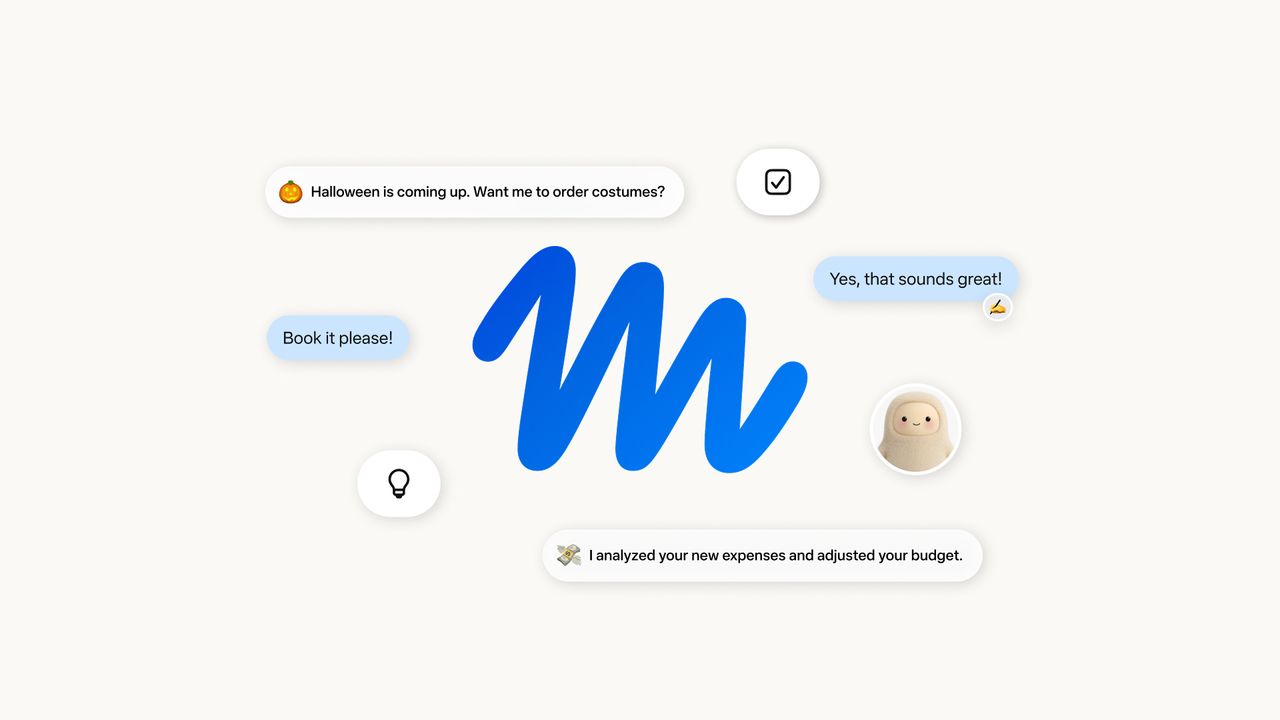
Meta unveiled Muse, an AI‑driven personal assistant that the company touts as the “world’s first personal AI agent built for everyone.” The product is presented as a hybrid solution that merges task organization, communication aid, and information retrieval to assist users in both work and personal life.
Meta says Muse lives in the cloud and can be reached from many devices – from smartphones and desktop PCs to upcoming wearables. By speaking or typing natural‑language requests, users can have the assistant arrange meetings, compose emails, condense documents, or pull up live data, while the underlying AI does the heavy lifting. The launch aligns with a broader move in the sector to weave generative AI into everyday productivity tools.
Muse arrives as companies are increasingly trialing AI to raise efficiency and cut down repetitive tasks. Analysts point out that, although numerous enterprise platforms already embed machine‑learning capabilities, Meta’s strategy is to deliver a single, consumer‑oriented hub that can serve both solo workers and small groups. By bundling a broad suite of features under one name, Meta hopes to set Muse apart from niche assistants that concentrate only on calendar or email automation.
Privacy and data usage have been central to the conversation around the release. Meta claims Muse follows its current privacy policy, processing user information in line with relevant regulations and giving individuals the ability to decide what data the assistant may access. Nevertheless, critics warn that a ubiquitous assistant woven into daily habits raises concerns over data ownership and possible algorithmic bias, especially given Meta’s past scrutiny over its data handling.
Looking forward, Meta intends to grow Muse’s functionality via regular updates and third‑party plug‑ins, enabling developers to craft extensions tailored to specific workflows. The firm also noted that input from early users will influence upcoming features such as richer contextual awareness and stronger multimodal interaction. As AI helpers become routine, Muse’s success will likely depend on striking a balance between ease of use and transparency, delivering real productivity improvements without eroding trust.



Comments (0)
Be the first to comment.
Join the discussion