Maui Residents Still Show High Toxic Metal Levels Months After 2023 Wildfires
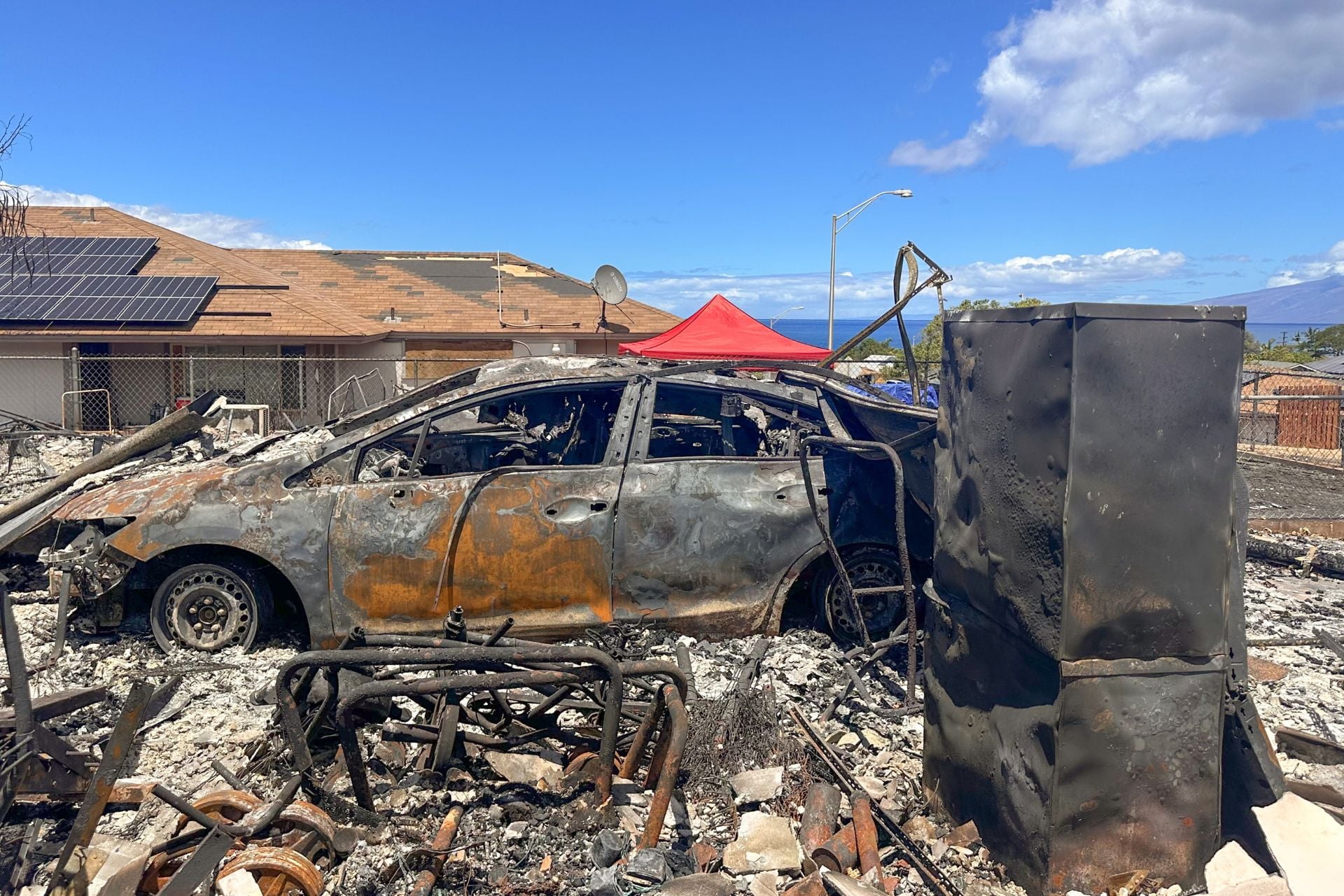
Researchers examining Maui health records found that individuals tested six to 18 months after the catastrophic 2023 wildfires continue to exhibit unusually elevated toxic metal levels, prompting worries about persistent environmental consequences.
The study, which biomonitored residents of the fire‑impacted areas, showed metal concentrations far exceeding normal background levels. Although the public brief did not list the specific metals, the team labeled the results as “alarmingly high,” signifying a lasting exposure rather than a brief surge.
It is well‑documented that wildfires can liberate numerous pollutants. The combustion of vegetation, soil, and structures releases heavy metals that coat ash and particulates, eventually entering air, water and ground. People who breathe the smoke or touch ash‑covered surfaces may take up these metals through lungs or skin, and they can also ingest them through tainted food or water.
Health authorities caution that ongoing toxic‑metal exposure can lead to diverse health problems, including neurological impairment and kidney injury. The persistence of high levels months after the fire’s end indicates that cleanup measures may have to go beyond removing visible ash and reconstructing buildings.
Local officials are now reviewing the study’s wider ramifications. They are weighing broader testing initiatives, particularly for at‑risk populations like children and seniors, and are examining whether extra remediation steps—such as excavating soil or installing water filters—are needed to curb continued exposure.
These results highlight an increasing awareness that wildfire health effects reach well beyond the immediate threats of flame and smoke. With climate change fueling more frequent, severe fires, scientists and policymakers are being urged to embed long‑term environmental surveillance into emergency response strategies, guaranteeing that affected communities obtain the necessary assistance for a complete and safe recovery.



Comments (0)
Be the first to comment.
Join the discussion