Many PS5 Users Might Not Be Getting Full Visual Power Because of Their HDMI Port Choice
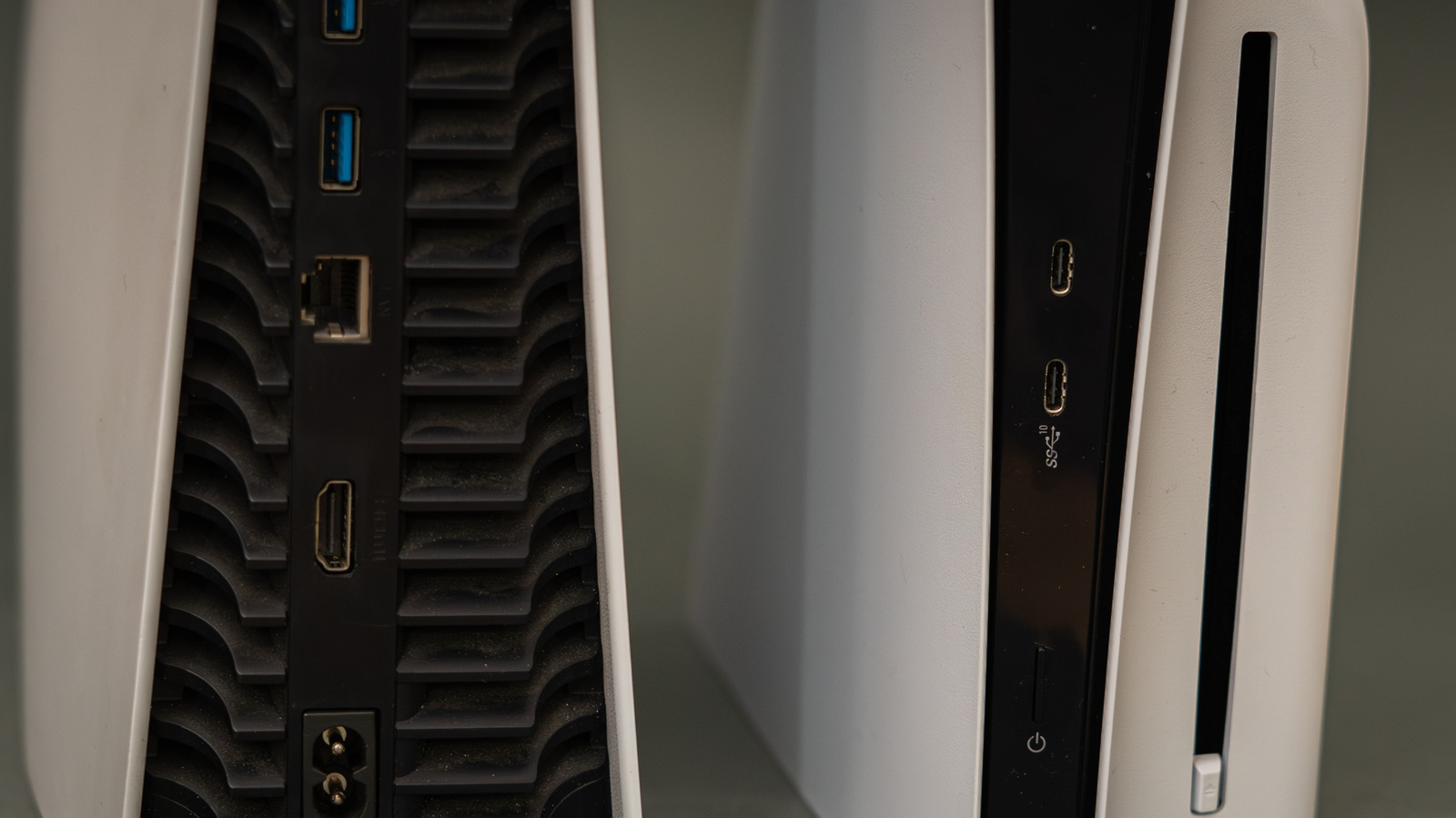
Anyone who has just hooked up a PlayStation 5 may be startled to discover that the system’s most striking visual capabilities are not guaranteed on every HDMI input, a nuance that can restrict the experience for numerous players.
Current TVs usually present multiple HDMI sockets, yet they are not all engineered to identical standards. Though legacy ports can still transmit a high‑definition picture, only HDMI 2.1‑compliant inputs possess the bandwidth needed for the PS5’s highest‑end output modes.
The console is designed to output up to 4K at 120 Hz, high dynamic range (HDR), variable refresh rate (VRR) and extras like Auto Low‑Latency Mode (ALLM). All of these functions require a data throughput of as much as 48 Gbps, a level that only HDMI 2.1 ports can provide. If the PS5 is linked to an older HDMI 2.0 or below socket, the signal is automatically reduced to 4K 60 Hz or even 1080p, and features such as VRR are turned off.
TV makers typically mark the correct socket on the unit’s frame or within the instruction booklet, frequently with labels such as “HDMI 2.1,” “120 Hz,” or a designated port number (often HDMI 1 on recent sets). Consulting the spec sheet or the TV’s on‑screen menu will verify if a particular input meets the required bandwidth. Should the television not include a dedicated HDMI 2.1 slot, owners might have to employ an external HDMI‑2.1‑compatible switch or think about upgrading the display to access the console’s full capabilities.
Hooking the PS5 up to a port that isn’t HDMI 2.1 won’t stop the console from operating; games will still launch and basic HDR will appear. Yet the gameplay can seem distinctly less smooth, particularly in rapid‑action titles that profit from higher frame rates and lower input lag. Switching the cable to the proper HDMI 2.1 input offers a simple remedy that can bring back the promised performance without extra equipment.
As upcoming consoles and high‑end PCs keep embracing HDMI 2.1, the difference between ports will probably turn into a routine factor for buyers. Knowing which TV input can supply the complete set of features will enable users to get the most out of their hardware spend and sidestep the quiet frustration of a system that appears to under‑perform.


Comments (0)
Be the first to comment.
Join the discussion