MacBook Charging Options: MagSafe Returns While USB‑C Stays Standard
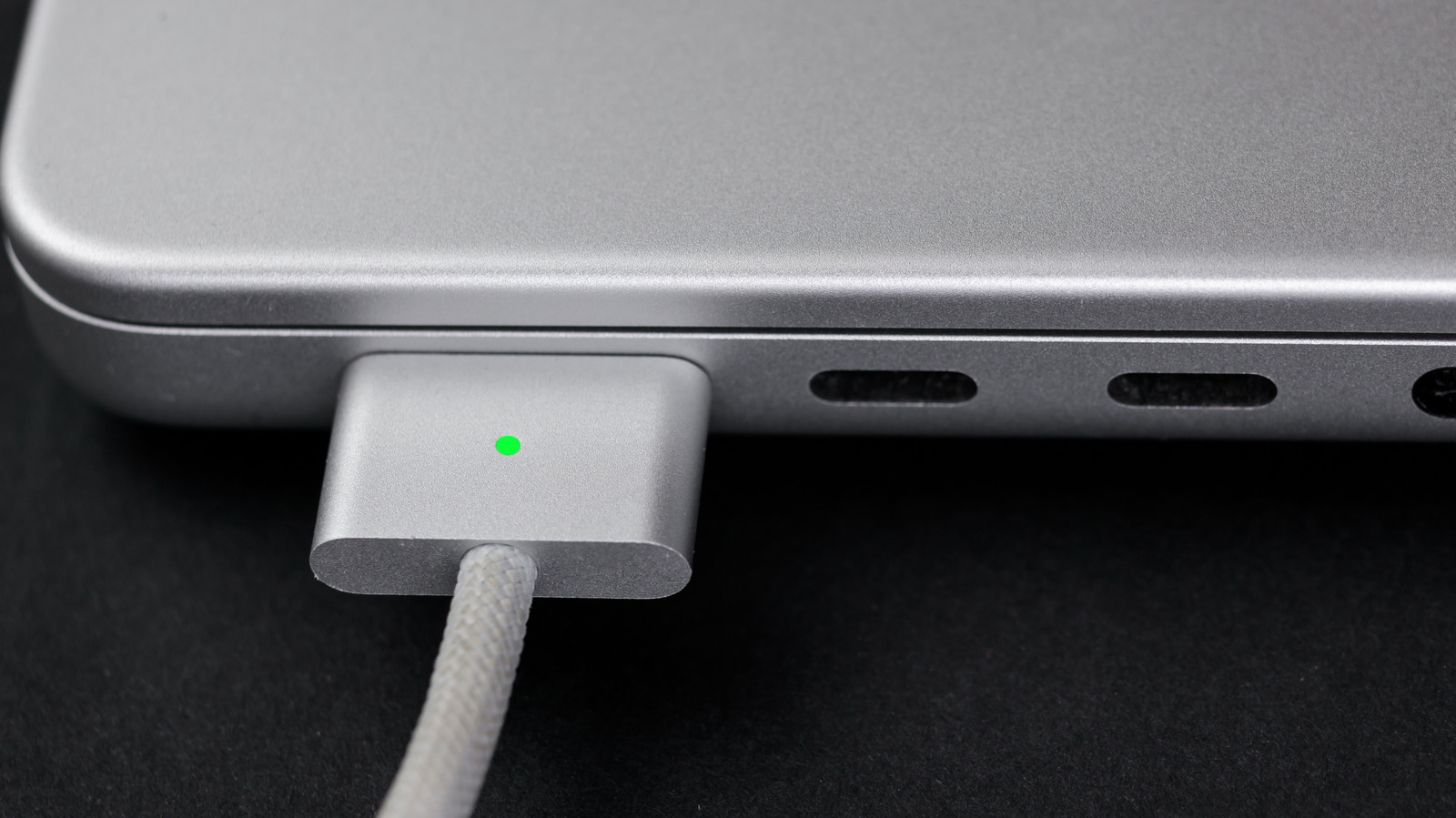
Apple’s newest MacBook lineup offers two separate charging solutions – the well‑known USB‑C socket and the reinstated MagSafe plug – leaving buyers to compare the advantages of each.
USB‑C is now the prevailing standard across laptops, phones and accessories, providing a solitary, reversible cord capable of transmitting power, video and data. Because of its widespread adoption, a MacBook can frequently be powered with the same charger used for an iPhone or iPad, cutting down on the number of adapters required and easing travel arrangements.
MagSafe, brought back on the 2021 14‑inch and 16‑inch MacBook Pro models, features a magnetic latch that clicks into position and releases harmlessly when the cord is pulled. This mechanism safeguards the computer from sudden tugs that might otherwise pull the whole machine off a surface. Additionally, the magnetic port is dedicated exclusively to charging, keeping the USB‑C openings available for peripherals.
Regarding pure power delivery, each standard is capable of providing the energy needed for rapid charging. The newest MagSafe charger can output as much as 140 watts, satisfying the highest‑spec MacBook Pro, whereas USB‑C chargers for those machines usually top out at 96 watts. In regular operation the gap in charging speed remains slight, because the laptop’s internal power‑management system limits intake to safeguard the battery.
Looking at user experience, the magnetic coupling of MagSafe is lauded for its simple attachment and the reassurance it gives against unintended drops. USB‑C, on the other hand, keeps the edge in terms of universal compatibility and the capacity to chain monitors and external drives without extra cords. Apple also sells adapters that permit charging through either interface, so offering both does not compel users to pick one exclusively.
Going forward, the simultaneous presence of MagSafe and USB‑C indicates that Apple prefers to serve varied user tastes instead of narrowing down to one universal port. As third‑party accessory markets keep growing, most buyers will probably decide based on whether they value the protective magnetic link or the practicality of a single cable. Both options are backed by Apple’s existing hardware range, and upcoming MacBooks are likely to retain this two‑port configuration for the near future.



Comments (0)
Be the first to comment.
Join the discussion