Local Farmer’s Accidental Find Uncovers Lost Ramses II Statue Fragments in Egypt
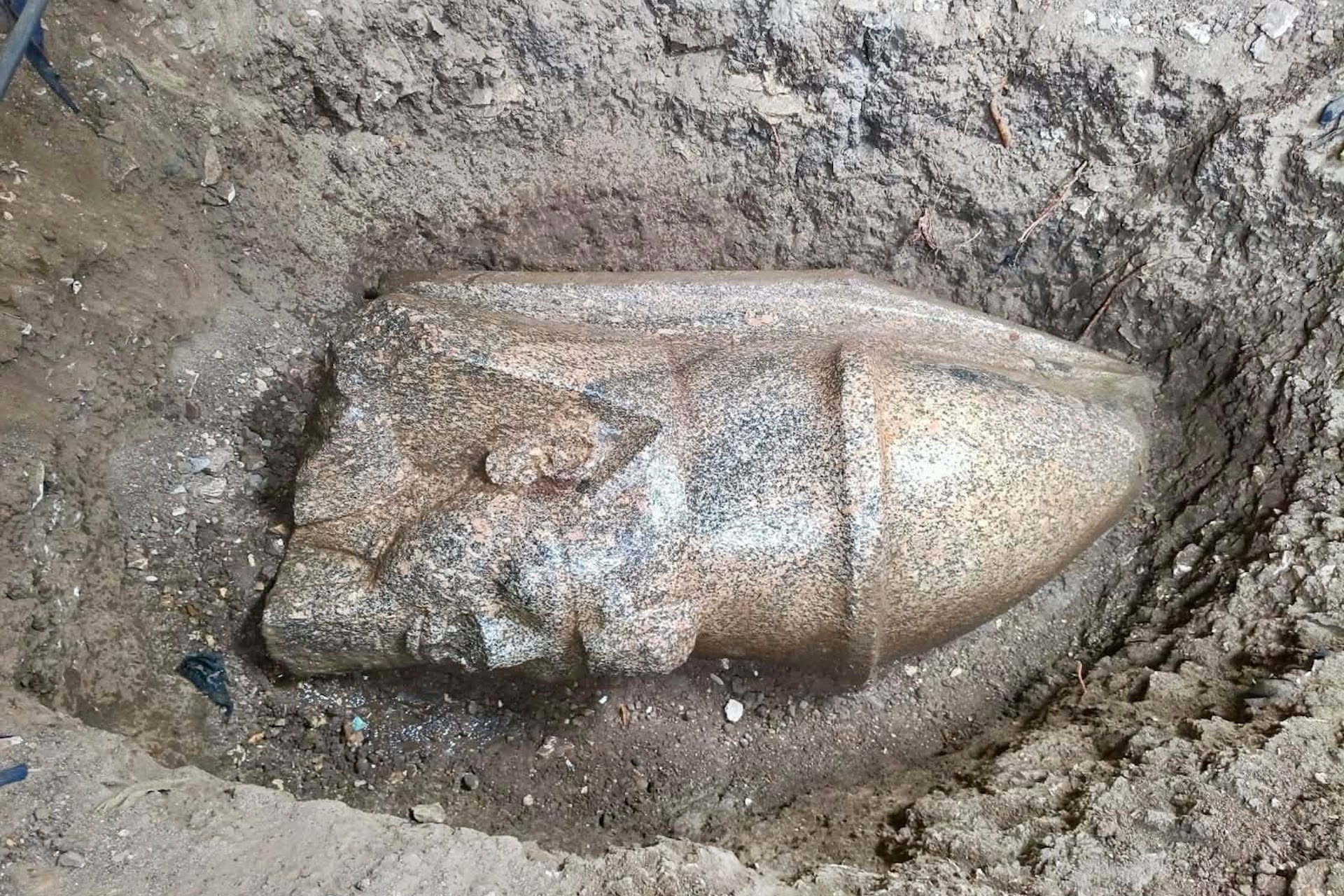
While tending his field in rural Egypt, a farmer accidentally unearthed a stone bearing an inscription, triggering an urgent rescue dig that uncovered the broken fragments of a massive statue of Pharaoh Ramses II together with two other royal figures.
The hieroglyph‑covered stone was reported to local officials, who called in archaeologists from the Ministry of Tourism and Antiquities. Early analysis indicated the text referred to a royal monument, prompting a quick mobilization to safeguard the site from additional harm during farming.
Within days of reaching the location, archaeologists exposed a huge pink‑granite slab that had detached from a larger work. About three metres tall, the piece showed the typical stylized traits of New Kingdom royal portraiture, linking it to the 13th‑century BC pharaoh Ramses II, whose reign is renowned for extensive building programmes along the Nile.
Deeper digging uncovered broken fragments of two more statues, probably depicting royal relatives or senior officials. Though badly shattered, the remaining sections preserve bits of drapery and partial faces that match the era’s artistic norms, giving researchers a valuable look at the size and skill of statues that once adorned a now‑vanished temple complex.
The find highlights the continual difficulty of safeguarding Egypt’s archaeological legacy where contemporary land use meets ancient remains. Rescue digs like this are usually initiated when construction, agriculture, or erosion endanger hidden artifacts, giving experts a chance to record and preserve them before they disappear.
Scholars note that the discovery expands the ever‑increasing list of Ramses II monuments, a ruler whose name graces innumerable temples, tombs and statues across Egypt and the Near East. The massive head fragment implies the original work could have rivaled the famous seated statue at Abu Simbel, supporting the view that Ramses II ordered numerous colossal statues to demonstrate his power and divine legitimacy.
Conservation crews are now charged with securing the granite pieces and moving them to a local lab for thorough study. The team intends to use 3‑D scanning and photogrammetry to recreate the statues’ original look, a method that may eventually enable virtual or even physical reassembly.
Although the precise original site of the monument is still unclear, the discovery offers hints of an undocumented temple or sanctuary in the vicinity. Continued surveys will chart the nearby terrain for further architectural remnants, potentially shedding light on the wider religious and political context of the period.
Officials have declared that the location will be safeguarded under Egyptian legislation, and the Ministry plans to enlist local residents in monitoring to avert future accidental harm. The episode underscores that ordinary farming activities can reveal fragments of humanity’s far‑removed past, presenting new chances to expand our knowledge of ancient Egypt’s monumental heritage.



Comments (0)
Be the first to comment.
Join the discussion