LinkedIn Halts Significant AI Hardware Growth, Citing Doubled Efficiency from Current Systems

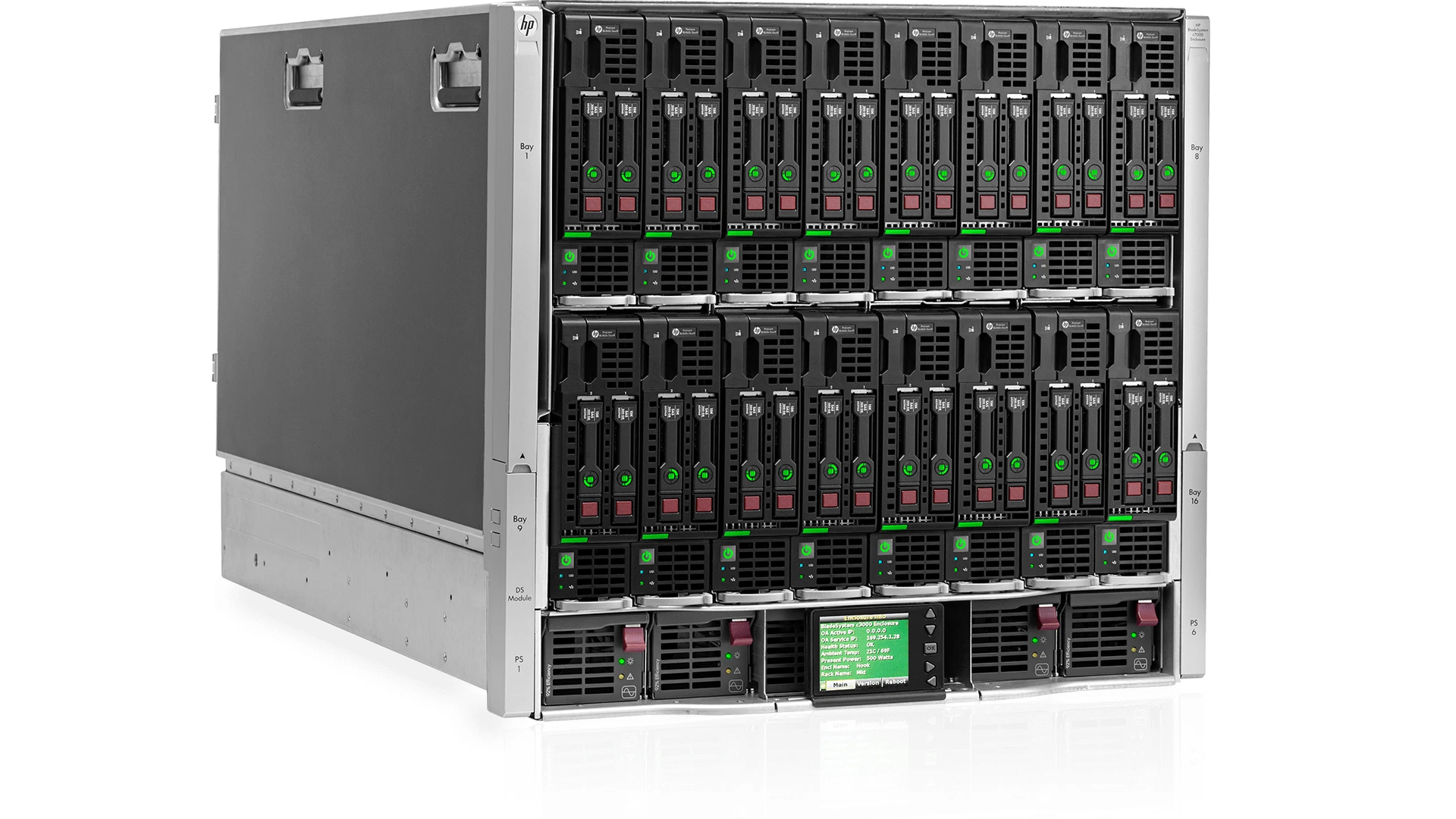
The professional networking titan, LinkedIn, has revealed a pivotal change in its strategy concerning artificial intelligence infrastructure, electing to maintain its capital expenditure on GPU hardware, computational capacity, and storage footprint at current levels for the present year. This choice by the company follows its reported success in doubling the efficiency of its existing Graphics Processing Units (GPUs) in just half a year.
Such a substantial boost in performance derived from its current resources is credited to a collection of incremental improvements. LinkedIn particularly pointed to progress in utilization methodologies and the deployment of model distillation approaches as primary factors enabling it to extract considerably greater power from its present computing equipment. These achievements have eliminated the immediate requirement for large-scale new hardware purchases or the enlargement of its specialized AI data centers.
LinkedIn's action diverges markedly from a widespread industry pattern, in which numerous technology firms are embroiled in an intense competition to procure advanced AI chips and swiftly enlarge their data center capabilities. Vast sums, reaching billions, are being invested in specialized hardware as companies contend for supremacy in the burgeoning artificial intelligence sector, rendering LinkedIn's choice to halt growth especially significant.
Through its emphasis on optimization rather than direct procurement, LinkedIn's strategic direction indicates a commitment to sustainable expansion and efficient resource handling. This methodology holds the potential for considerable cost reductions, given that the expenditures linked to acquiring, implementing, and upkeep of new top-tier AI hardware are considerable and consistently climbing. Furthermore, it showcases a dedication to maximizing the utility of its existing technological investments.
Model distillation, among the techniques mentioned, entails developing more compact, streamlined AI models capable of replicating the output of bigger, more resource-hungry counterparts. This procedure can dramatically lower the computational requirements for implementing and operating AI applications without significant loss of precision. When combined with enhanced utilization, which guarantees hardware operates at its maximum potential more reliably, these strategies present a powerful substitute for continuous hardware enhancements.
The triumph of LinkedIn's efficiency initiative could offer a crucial precedent for other entities contending with the rising expenditures and ecological footprint of extensive AI development. With the industry facing intensified examination regarding AI's energy usage, inventive methods for resource optimization might evolve into a vital element of accountable technological progress.
Although the corporation has not detailed its future investment strategies beyond the present year, its immediate emphasis on harnessing current infrastructure highlights a strategic shift toward more intelligent resource administration. At this time, LinkedIn seems set to persist in refining and improving its AI-powered functionalities and offerings, proving that substantial progress can be realized via internal efficiencies instead of relying exclusively on external growth.

Comments (0)
Be the first to comment.
Join the discussion