Legacy Nest Learning Thermostats Remain Functional After Google Ends Official Support
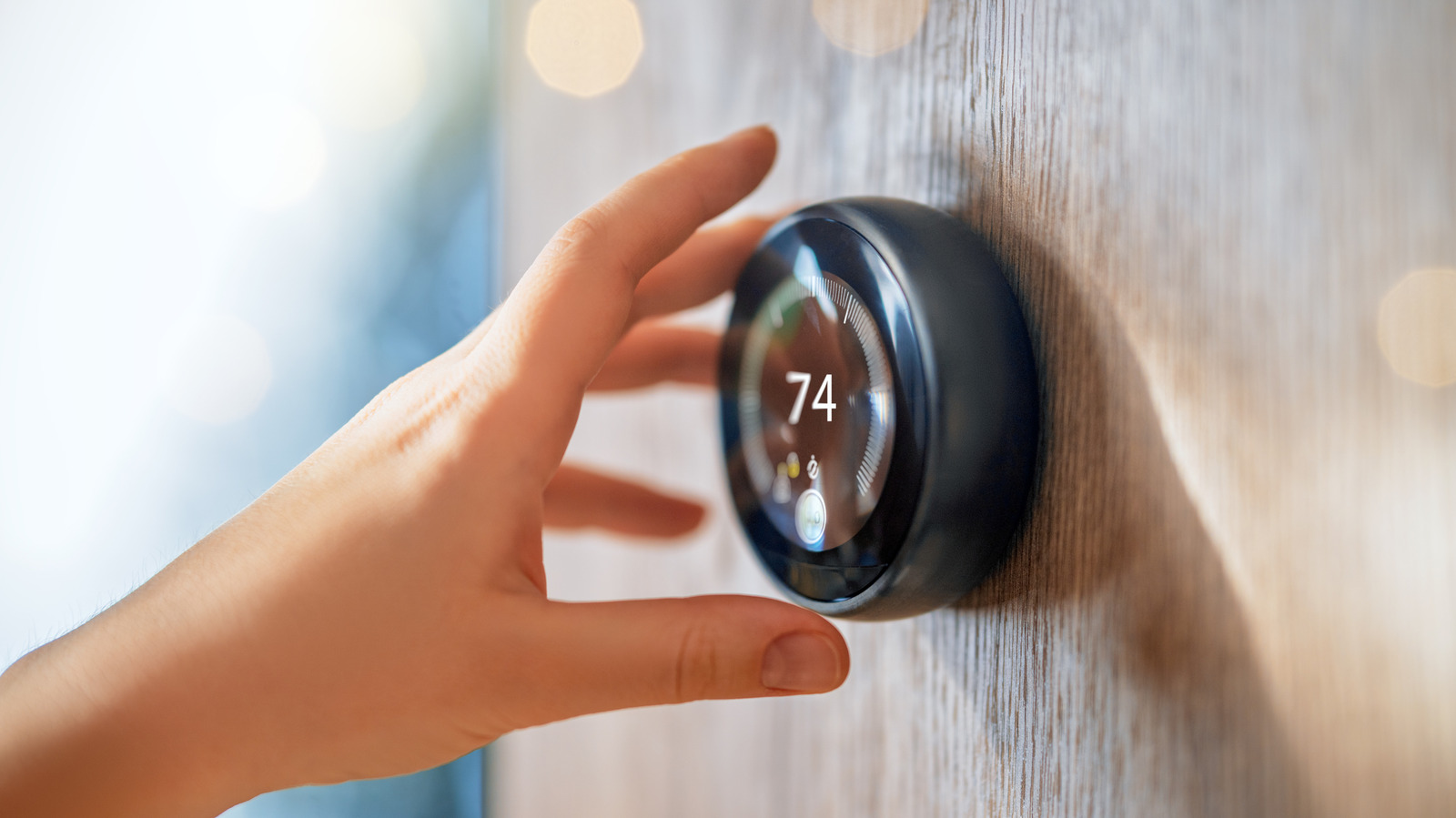
Owners of first‑ or second‑generation Nest Learning Thermostats now confront a familiar choice: Google no longer pushes software updates for these units, yet many wonder whether to discard them or keep them in service. Although official support has dwindled, the thermostats still manage temperature and can be hooked into existing home‑automation systems without the newest cloud‑based features.
Google, which bought Nest in 2014, has progressively redirected its attention toward newer hardware and a cloud‑first ecosystem. Consequently, older models are left out of recent firmware rolls and security patches. The practical result is the loss of capabilities such as energy‑saving analytics, remote operation through the Nest app, and compatibility with the latest Google Home services.
Even without official updates, the Nest Learning Thermostat’s core duties—maintaining set points and learning occupants’ habits—continue to work. Numerous users note that the devices keep performing reliably for years after support ends, provided the hardware remains in good shape. This durability touches on broader e‑waste concerns, as prolonging the life of functional gear lessens the environmental toll of premature disposal.
For those who wish to preserve smart functionality, third‑party solutions like Home Assistant, OpenHAB, or Apple HomeKit can fill the gap. These open‑source hubs often interact with Nest hardware via local APIs or unofficial integrations, enabling automated heating schedules, scene triggers, or energy monitoring without relying on Google’s cloud. Setting up such links generally requires a modest technical aptitude but offers a route to keep older Nest units relevant.
An alternative is to repurpose the thermostat as a traditional, non‑smart controller. By turning off Wi‑Fi and using the manual dial, the device can still regulate heating and cooling while eliminating any network‑related security risks. This method retains the Nest’s aesthetic and functional value without exposing outdated firmware.
Looking ahead, shoppers should assess the total cost of ownership, including any subscription fees tied to advanced features on newer models. Meanwhile, a market for refurbished Nest thermostats remains active, providing a compromise for those seeking updated software support without purchasing brand‑new hardware. In the end, the choice depends on personal priorities: adopting the latest tech, maintaining a functional legacy device, or supporting sustainability by extending the lifespan of existing equipment.


Comments (0)
Be the first to comment.
Join the discussion