Leaders Tend to See Themselves as More Risk‑Tolerant, a Trait Shared by Humans and Chimpanzees
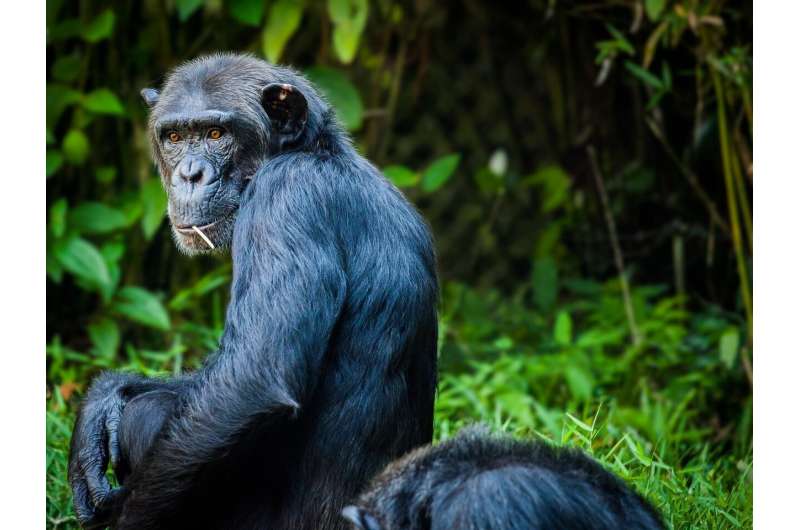
A recent cross‑species investigation finds that people holding leadership positions consider themselves more at ease with risk than non‑leaders, a trend that also shows up among our nearest primate cousins.
The team surveyed adults from diverse professions, requesting them to assess their propensity for financial, social and physical risks. Participants who described themselves as managers, team leads or other authority figures consistently assigned themselves higher risk‑seeking scores than those without official leadership duties.
Similar patterns emerged in captive chimpanzee troops, where researchers documented the actions of individuals occupying different ranks. Dominant chimps more frequently performed daring deeds—like investigating novel food items or confronting competitors—behaviors that observers classified as risk‑taking relative to the more hesitant actions of lower‑ranking members.
The parallel results in both species imply that a leaning toward risk could be linked to the pressures of attaining and preserving dominance. Evolutionary perspectives argue that leaders ready to wager on new tactics or face obstacles may secure benefits that bolster their rank, whereas risk‑averse individuals might be better fitted to subordinate positions.
These findings prompt inquiry into how self‑assessed risk tolerance shapes decision‑making in corporate, political and military arenas. Should leaders consistently overstate their risk appetite, strategic decisions and organizational results could be impacted. The authors suggest additional longitudinal studies to monitor how risk attitudes shift as people move up or down the hierarchy, and to investigate whether comparable trends appear in other social mammals.


Comments (0)
Be the first to comment.
Join the discussion