Kia Confirms UK Law Prohibits Live Tracking of Stolen Vehicles
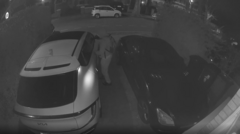
UK motorists who anticipate their vehicle's integrated location tracking might directly assist in the real-time retrieval of a stolen car should temper their expectations. The car manufacturer Kia has stated that current legal structures in the UK impede the activation of its live vehicle tracking capability for these situations.
This information emerged after an investigation by BBC Technology, prompting Kia to explain that current UK statutes limit its capacity to remotely track vehicles' real-time positions, even when they have been stolen. This stance underscores a considerable constraint on what many buyers consider a key safeguard against vehicle theft.
For a long time, the inclusion of advanced tracking systems in contemporary cars has provided a feeling of assurance for owners worried about theft. Nevertheless, vehicle security specialists have frequently warned against depending too heavily on these setups for prompt, direct recovery, citing numerous operational and legal obstacles. Kia's declaration emphasizes one such crucial legal impediment unique to the UK.
The ramifications of this legal restriction are considerable for vehicle proprietors. Although certain cars might have the technical means to relay location information, manufacturers' inability to access and employ this data for live tracking because of legal bans implies that the feature's assumed value for recovering stolen property is greatly reduced in the UK. This might cause frustration for people who purchased vehicles with these features, anticipating immediate assistance if a theft occurred.
Such legal limitations generally stem from wider privacy and data protection statutes, like the General Data Protection Regulation (GDPR) and domestic data protection legislation. These statutes frequently impose strict requirements on how personal data, including locational details, can be gathered, saved, and used, even by original equipment producers. Lacking explicit legal clauses or unambiguous consent processes that meet these rules for real-time tracking of stolen property, corporations might discover they are prevented from taking action.
Instead, the standard recommendation for those whose cars are stolen remains crucial: promptly notify law enforcement. Police agencies hold the legal power and procedures to investigate thefts and, when relevant, can obtain vehicle tracking data via official avenues, frequently necessitating a warrant or particular legal applications, rather than instantaneous, direct access by the car maker.
This scenario initiates a wider conversation regarding consumer comprehension of in-vehicle technologies and the differing legal applications across jurisdictions. With automotive technology steadily progressing, more explicit communication from manufacturers about the exact functionalities and legal boundaries of their security elements in diverse markets will grow progressively essential for managing customer expectations efficiently and fostering transparency.



Comments (0)
Be the first to comment.
Join the discussion