Johns Hopkins Study Finds Brain Shrinkage Occurs Years Before Alzheimer’s Memory Loss
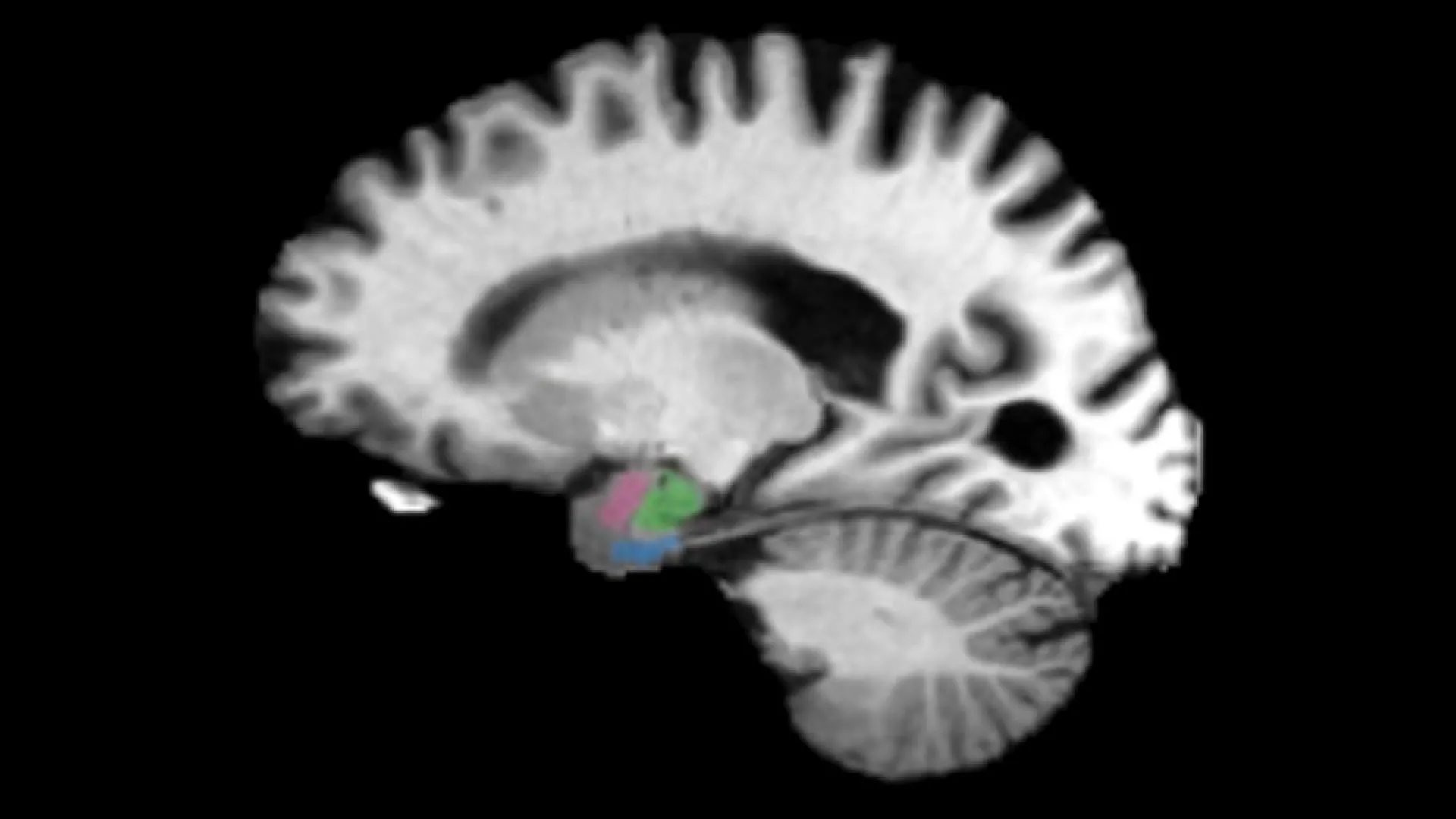
Researchers from Johns Hopkins University have discovered faint alterations in the brain that could indicate Alzheimer’s disease as early as ten years prior to the emergence of memory issues.
Through sophisticated imaging methods, the team found that two brain areas responsible for forming memories and processing emotions start to shrink long before the hippocampus—historically the main target of Alzheimer’s assessments—exhibits detectable atrophy.
The research points out that these initially atrophying regions, which aid in encoding fresh experiences and managing emotions, may act as covert early indicators of the illness. Their decline seems to occur ahead of the better‑known hippocampal reduction that doctors rely on to verify neurodegeneration.
Usually, Alzheimer’s is diagnosed only after individuals notice significant memory lapses, by which stage brain injury is already widespread. Once hippocampal deterioration becomes apparent, treatment choices are scarce and the disease is often irreversible. Spotting alterations in the newly recognized regions could move the diagnostic window earlier, creating an opportunity for preventive measures.
These results imply that standard brain imaging could one day include assessments of these non‑hippocampal structures, giving physicians a finer instrument for early detection. Identifying patients sooner may also refine criteria for clinical trial participation, enabling experimental therapies to be evaluated in people who have not yet shown cognitive signs.
The scientists warn that additional long‑term studies are required to verify the prognostic significance of the noted atrophy and to assess how these alterations relate to later cognitive decline. Confirmation across varied demographic groups and combination with other biomarkers—like cerebrospinal fluid proteins or blood‑based assays—will be crucial before this method can enter routine clinical use.
As the world’s population ages quickly, the ability to detect Alzheimer’s pathology years before it affects everyday functioning holds major public‑health relevance. Early interventions, lifestyle changes, and novel treatments could prove more potent when administered during this pre‑symptomatic phase.
Although this finding has not yet produced a new diagnostic test, it highlights the need to broaden research beyond the hippocampus and could lay the groundwork for a new wave of screening techniques designed to stop Alzheimer’s before it destroys memory.



Comments (0)
Be the first to comment.
Join the discussion