Jeremy Hansen Describes Near‑Disaster as Artemis II Achieves Lunar‑Bound Trajectory
On April 10, 2026, the Artemis II team celebrated the ninth day of their landmark journey, pausing in the Orion module to stare at a brilliant blue Earth—a sight that highlighted how they were now over 250,000 miles (400,000 km) away, a range surpassing any earlier crewed U.S. mission.
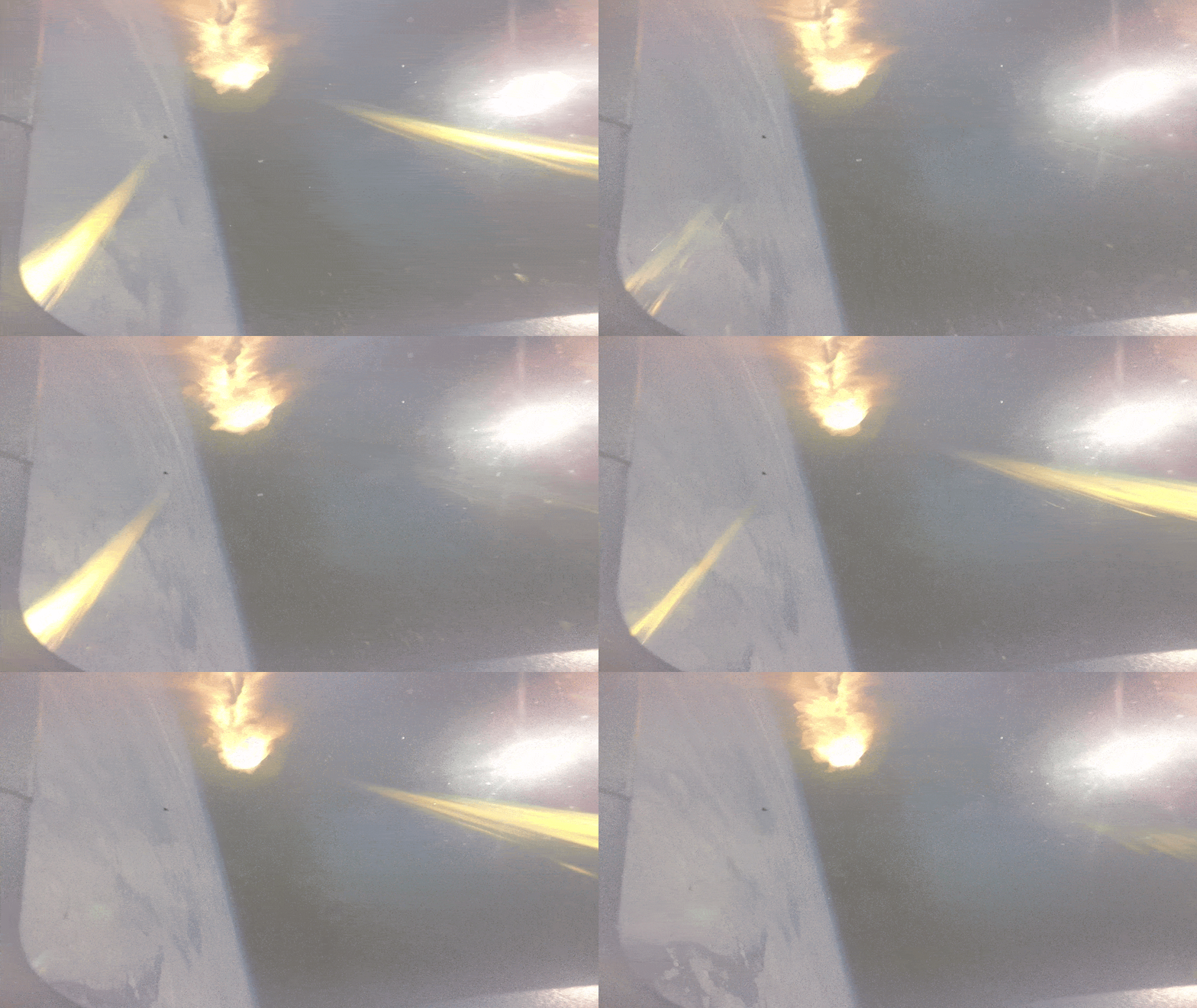
Later, Canadian astronaut Jeremy Hansen—one of Orion’s four crew members—recounted a stressful incident that had taken place earlier. Speaking of an unexpected onboard fault, he remarked, "Flames soon engulfed us," underscoring the gravity of the event and how quickly the team acted to stop a fire from advancing.
Though public documents have not disclosed specifics, the episode happened while the vehicle was on its way to lunar orbit—a segment that requires exact system oversight. Orion’s life‑support and thermal‑control subsystems feature multiple redundancies, and the astronauts’ emergency‑procedure training was vital in containing the hazard before it threatened the flight.
Coming after the triumph of the uncrewed Artemis I launch, Artemis II marks NASA’s inaugural crewed venture beyond low‑Earth orbit since the Apollo days. Its chief goals are to confirm Orion’s behavior in deep‑space conditions, assess communications, navigation and re‑entry systems, and collect information that will guide the upcoming Artemis III Moon landing.
Hansen’s open account injects a personal touch into the mission’s technical achievements, reminding audiences that, despite thorough preparation, space travel still carries intrinsic risks. As the astronauts press on toward the Moon, mission control will review the incident, apply the insights gained, and keep safety procedures strong ahead of the planned 2027 landing attempt.



Comments (0)
Be the first to comment.
Join the discussion