Jack Wall Names Mass Effect 2’s “Suicide Mission” Among Gaming’s Finest Conclusions
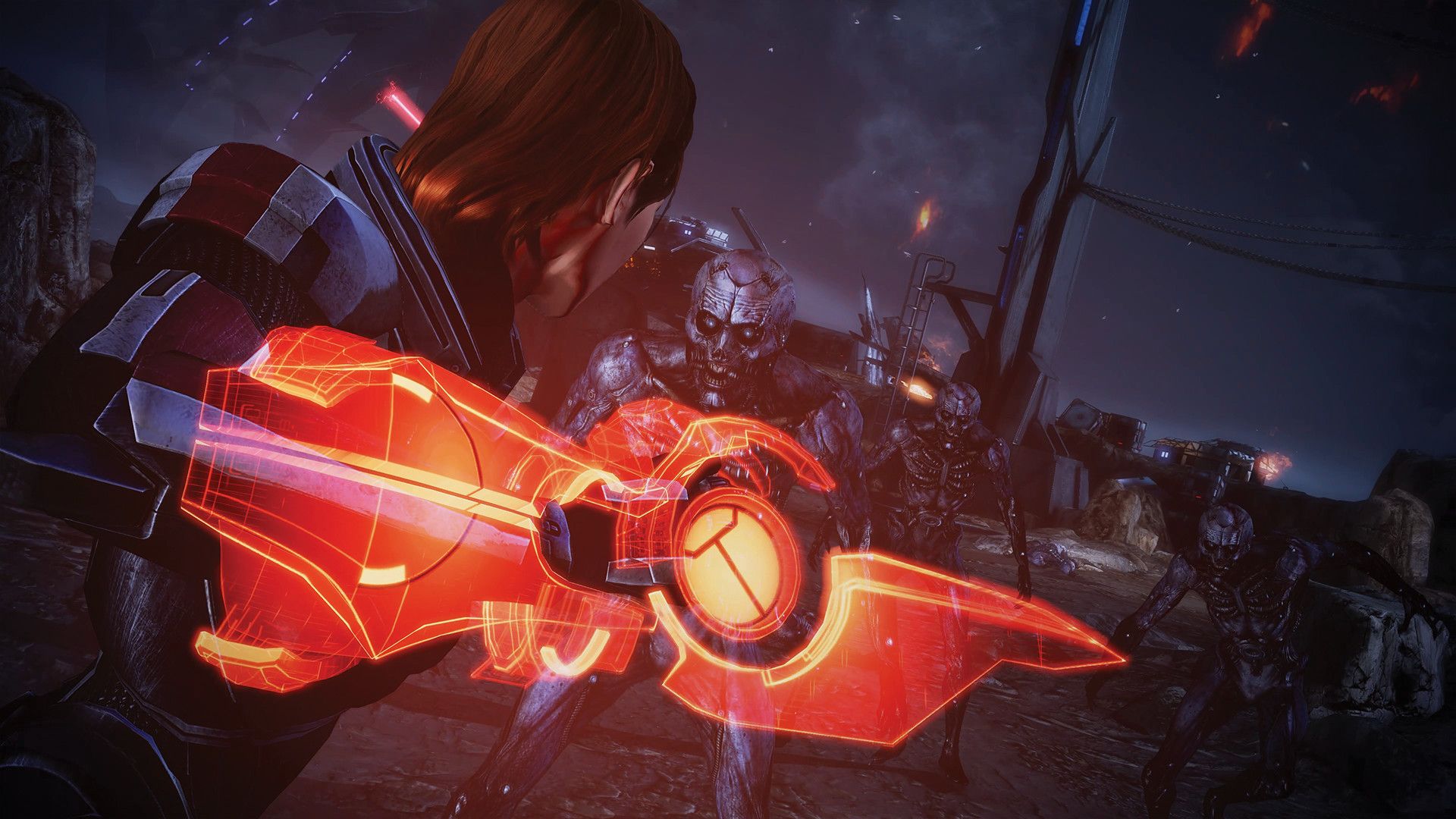
Jack Wall, the seasoned composer behind the music for BioWare’s first two flagship sci‑fi RPG titles, has recently looked back on his stint at the studio and pointed to Mass Effect 2’s climactic “Suicide Mission” as a defining point in his career.
Tasked with crafting the orchestral and electronic textures that accompanied Commander Shepard’s initial journeys, Wall described the mission’s creation as an uncommon mix of story intensity and musical trial. He remembered collaborating intimately with project director Casey Hudson, whose “so passionate about the story” attitude urged the crew to match the game’s high drama with a soundtrack that heightened players’ emotional engagement.
The “Suicide Mission”—a perilous operation that decides the destiny of the galaxy’s most trusted allies—has consistently been referenced by fans and critics as a yardstick for player‑centric storytelling. Wall noted that the demand for a score capable of reacting to varied outcomes compelled the composers to devise modular tracks that could transition fluidly as players enacted crucial decisions.
Aside from the technical hurdles, Wall highlighted the cooperative vibe at BioWare in the closing months of development. He pointed out that regular brainstorming gatherings of writers, designers, and musicians enabled the group to interlace thematic motifs that resonated with earlier chapters while hinting at the ramifications of the mission’s triumph or defeat.
When queried about where the conclusion sits among video‑game endings, Wall placed it inside his personal “top ten,” praising its ability to provide a closure that feels justified by the player’s choices. This praise mirrors a wider industry agreement; retrospectives often cite the ending as a landmark in interactive narrative design.
Wall’s remarks come as the Mass Effect franchise gears up for its upcoming major installment, sparking fresh curiosity about the series’ musical heritage. Though he has since left BioWare, his insights provide a window into the creative dynamics that shaped one of modern gaming’s most lauded moments.


Comments (0)
Be the first to comment.
Join the discussion