Is 256 GB Enough? Weighing the Need for More iPhone Storage
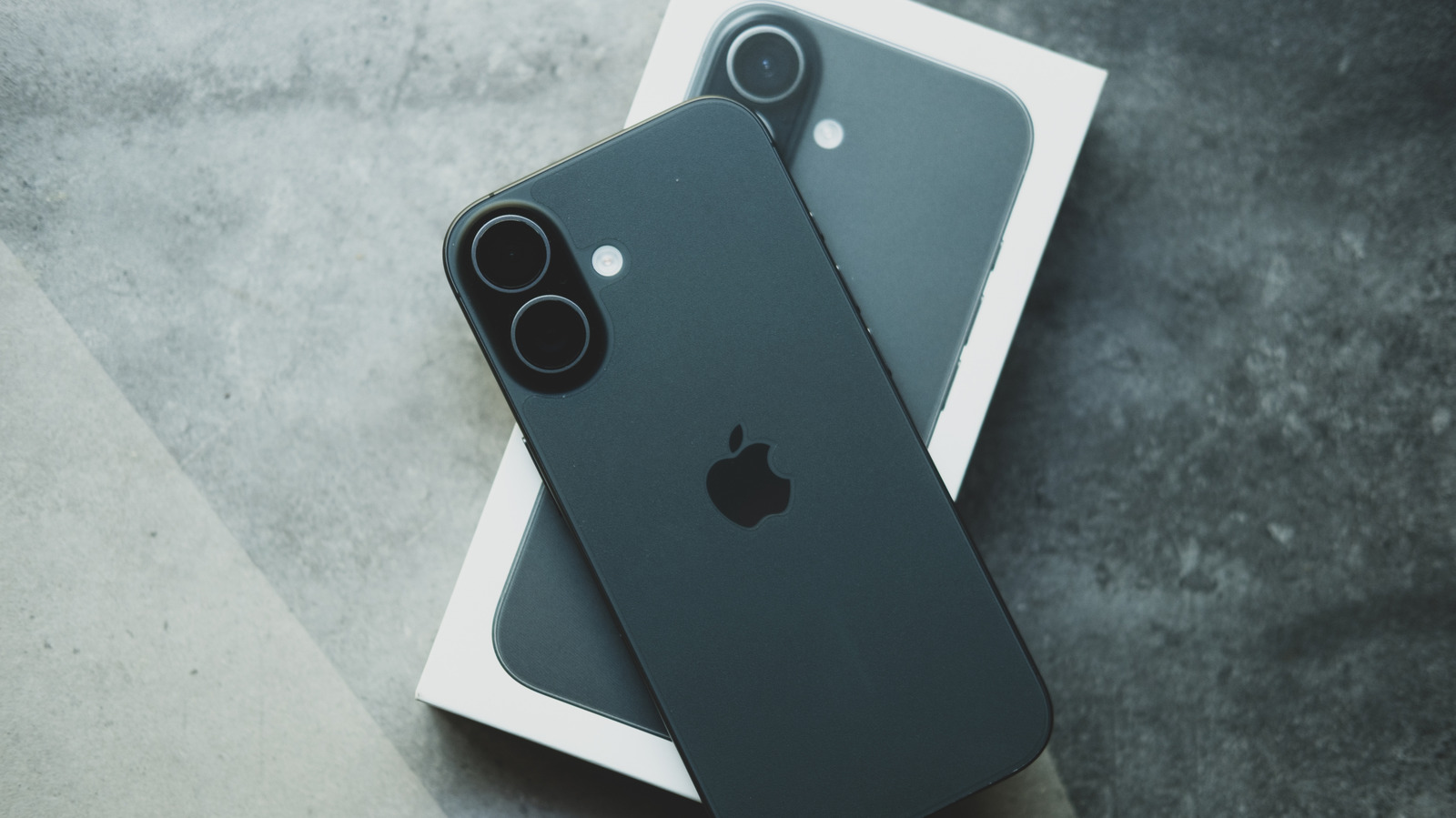
Apple’s newest iPhone lineup still caps its base storage at 256 GB, yet the debate over whether that capacity meets the needs of the average user persists. With apps ballooning in size, cameras delivering ever‑higher‑resolution images and 4K footage, and offline media consumption on the rise, many owners are evaluating the price of upgrading to 512 GB or even the 1‑TB tier.
For users who mainly stream music and video and depend on cloud‑based photo archives, a 256‑GB iPhone generally satisfies everyday requirements. iCloud integration allows a large portion of media to live off the handset, freeing internal space for apps and essential documents. Still, having ample local storage becomes vital when traveling to regions with spotty internet or when preferring to keep content available without a connection.
Heavy‑duty users—mobile reporters, content creators, avid gamers—regularly produce or download sizable files that quickly consume storage. Recording a single minute of 4K video at 60 fps occupies roughly 400 MB, so several hours of footage can outstrip the 256‑GB limit once a growing app collection is added. Likewise, photo libraries shot in Apple’s ProRAW format can run into hundreds of megabytes per picture.
Apple’s price ladder makes the step from 256 GB to larger capacities a noticeable outlay, leading shoppers to crunch the long‑term economics. Although a higher‑capacity iPhone may set buyers back a few hundred dollars, that cost must be balanced against the expense and inconvenience of external storage accessories, which add bulk and additional price tags.
Current market behavior shows a growing comfort with cloud backups and media syncing, yet a segment of consumers still prizes on‑device space for privacy, speed and dependability. Analysts point out that the choice often boils down to a person’s workflow: those who edit video directly on the phone, maintain large offline music collections, or treat the iPhone as a primary laptop substitute are more inclined to benefit from the bigger storage tiers.
Looking forward, Apple is likely to keep expanding its storage options, but the fundamental trade‑off will remain—balancing device price, personal data habits, and the ever‑inflating size of apps and media. Prospective buyers should audit their present storage consumption, anticipate future demands, and decide if the premium for extra space matches their usage patterns.



Comments (0)
Be the first to comment.
Join the discussion