India-UK Free Trade Pact Launches, Ready to Redefine Bilateral Commerce
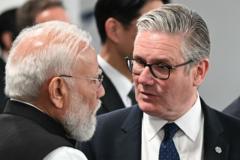
A new free trade agreement (FTA) between India and the United Kingdom has officially been activated, marking a pivotal moment for two of the globe's largest economies. India, currently holding the fifth position globally, and the UK, ranked sixth, will now operate under a framework crafted to cultivate deeper trade relationships and unlock fresh prospects for both businesses and consumers.
Free trade agreements typically aim to diminish or remove tariffs and other commercial barriers, thereby making goods and services more affordable and accessible between participating nations. For an accord involving economies of this scale, the potential for expanded trade volumes and economic integration is considerable, with advocates foreseeing a substantial boost in two-way commerce.
Shoppers in both countries are among those anticipated to experience tangible advantages from the new arrangement. Consumers in India, for example, could potentially discover a wider array of British products, such as Scotch whisky, at more competitive prices due to reduced import duties. Conversely, British households might gain access to a broader selection of Indian goods, ranging from textiles to various other manufactured items, as trade flows become more streamlined.
Beyond consumer products, the agreement is projected to forge new pathways for businesses. Companies in the UK may find it simpler to export to India's vast and expanding market, while Indian enterprises could enhance their presence in the UK. This improved market access is expected to stimulate investment, encourage innovation, and potentially lead to job creation across diverse sectors in both countries.
However, the ultimate efficacy of the agreement hinges on its practical execution and how successfully it navigates the inherent complexities of international trade. While the foundational structure is now established, the question remains whether the deal can fully deliver on its ambitious promises and translate into the broad economic uplift envisioned by its creators.
For the United Kingdom, this agreement represents a crucial element of its post-Brexit global trade strategy, as it endeavors to forge new and robust economic partnerships worldwide. For India, the pact signifies a further stride in its economic liberalization and integration into global trade networks, aligning with its objectives for sustained economic growth and development.
As the provisions of the agreement begin to take effect, economic analysts and trade observers will closely monitor its real-world impact. Attention will be directed towards key metrics such as bilateral trade volumes, shifts in consumer prices, and the availability of goods and services, to assess whether this landmark deal lives up to the expectations set by its proponents and delivers concrete benefits to citizens and businesses across both nations.



Comments (0)
Be the first to comment.
Join the discussion