Humanoid Assembly Robot Hesitates and Recoils When Workers Near It
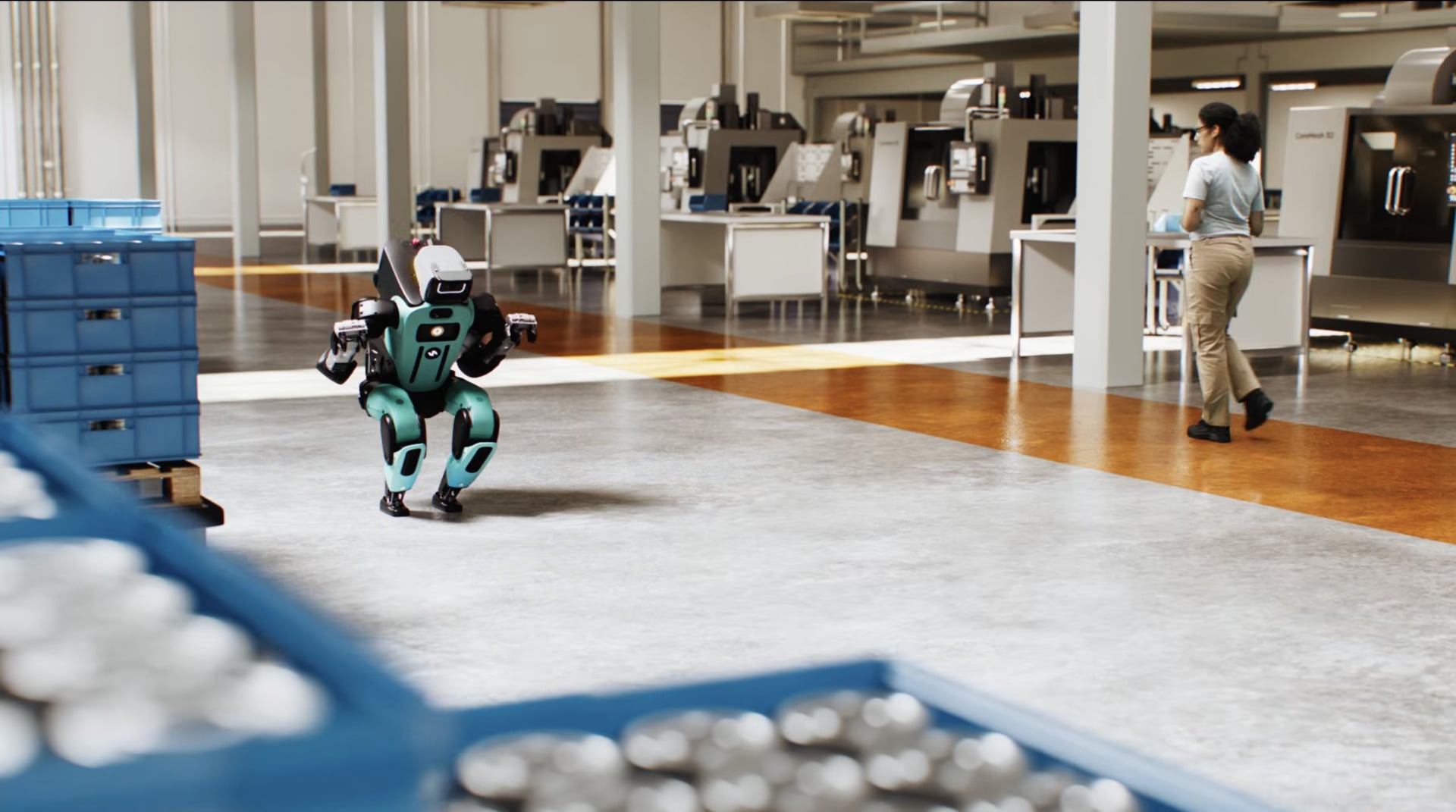
A prototype humanoid robot intended for assembly‑line duties has ignited conversation after a public demonstration revealed it visibly pausing and pulling back each time a person approached. The episode, recorded during a showcase put on by the robot’s maker, was featured in a recent Gizmodo report.
The unit, created to handle repetitive manual tasks, carries a suite of proximity sensors and AI‑based safety algorithms meant to avert accidental impacts. Yet, in the demo the robot’s behavior shifted markedly as a technician drew near, with the machine lowering its torso and stepping back a short distance before continuing its programmed sequence.
Development engineers said the action stems from the system’s “human‑aware” safety mode, which emphasizes a generous safety buffer around people. Instead of merely stopping, the robot treats close proximity as a signal to enlarge that buffer, producing a motion that onlookers likened to “cowering.” The team clarified that this response is deliberate, designed to lower injury risk in shared workspaces.
Observers in the industry point out that the incident highlights the difficulty of melding autonomous equipment into settings occupied by humans. While numerous factories already employ collaborative robots—cobots—that halt when touched, a full‑body humanoid that modifies its posture adds another layer of complexity. Safety standards such as ISO 10218 and ISO/TS 15066 mandate that robots sense and react to human presence, yet the precise nature of that reaction remains under development.
Detractors argue that the robot’s pronounced retreat could diminish efficiency, particularly on rapid production lines where tight collaboration is crucial. Supporters reply that any pause is better than a collision, and that future software updates could fine‑tune the behavior to strike a better balance between safety and output.
The showcase comes at a moment when manufacturers are racing to field humanoid platforms for duties ranging from packaging to quality inspection. As firms aim to substitute repetitive manual labor, the capacity of robots to coexist safely with human employees will likely shape adoption rates and regulatory attention.
Looking forward, the developer intends to gather additional data from real‑world deployments to refine the robot’s human‑interaction model. Possible tweaks include dynamic safety zones that contract as the robot learns typical worker patterns, or multimodal signals—such as visual cues—to convey intent. Ongoing dialogue among robotics companies, standards organizations, and labor groups will determine how swiftly these machines become a standard feature of modern factory floors.



Comments (0)
Be the first to comment.
Join the discussion