How iPhone’s Focus Settings Differ from Traditional Do Not Disturb
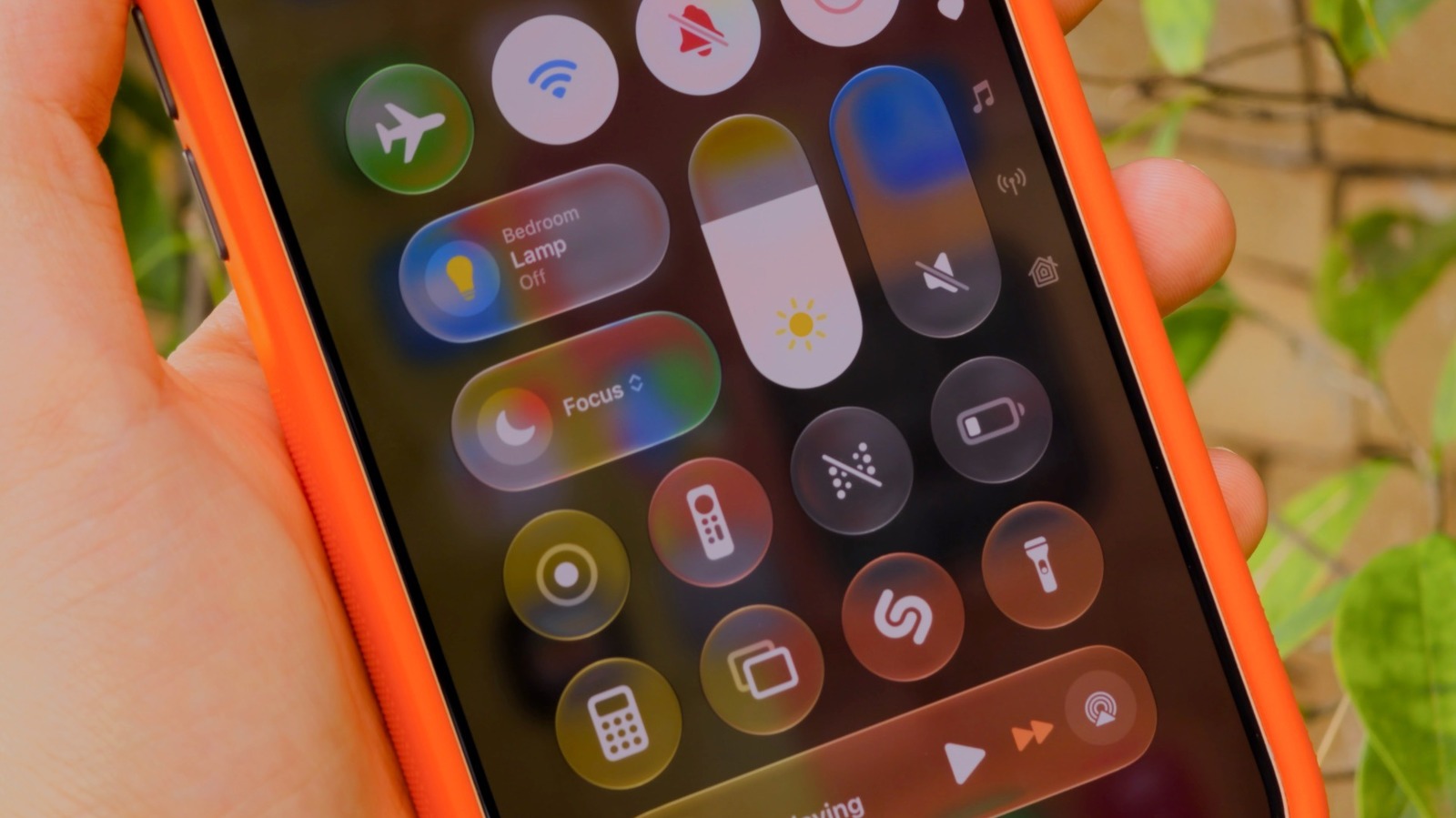
Apple’s iPhone introduces a collection of “Focus” options that build upon the veteran Do Not Disturb (DND) function, allowing users finer control over which notifications arrive and at what times. Though both aim to limit distractions, they rely on separate concepts and address different scenarios.
Do Not Disturb, launched more than ten years ago, acts as an all‑encompassing mute. Activating it silences calls, texts, and alerts, except for calls from a user‑specified “favorites” group or repeated calls that get through. Users can switch it on manually or set a schedule, and its main goal is to provide a silent interval without distinguishing work, personal, or leisure situations.
Focus modes, which arrived in iOS 15, view interruption handling as a tailor‑made process. Users may pick from preset profiles like “Work,” “Personal,” or “Sleep,” each defining which contacts, apps, and notification categories are permitted. In contrast to DND’s universal method, a Focus setting can permit work‑related emails while silencing social media, or the opposite. Additionally, the platform allows automation rules that activate a profile according to location, time, or app activity, lessening manual toggling.
The two functions overlap since Do Not Disturb now appears as a built‑in Focus preset. Consequently, users who favor the straightforward DND can activate it with one tap, whereas those wanting greater detail can explore the full Focus setup. While both rely on the same silencing engine, Focus introduces extra exception controls and status sharing, enabling iPhone owners to announce their active mode to contacts through iMessage.
Looking at the bigger picture, Apple’s move mirrors a shift toward context‑sensitive digital‑wellbeing solutions. By permitting users to specify what counts as an interruption at various times of day, the Focus suite mitigates notification overload while keeping vital communications open. It also syncs with macOS and watchOS, delivering a uniform experience throughout the Apple ecosystem.
Going forward, Apple may expand Focus features further, possibly exposing additional APIs so third‑party apps can react to a user’s current profile. As remote work and blended personal‑professional lines keep shifting, the capacity to finely adjust notification routing could become a baseline expectation for mobile operating systems.



Comments (0)
Be the first to comment.
Join the discussion