Home 3D Printers: Guidelines for Safe Placement in Bedrooms and Offices
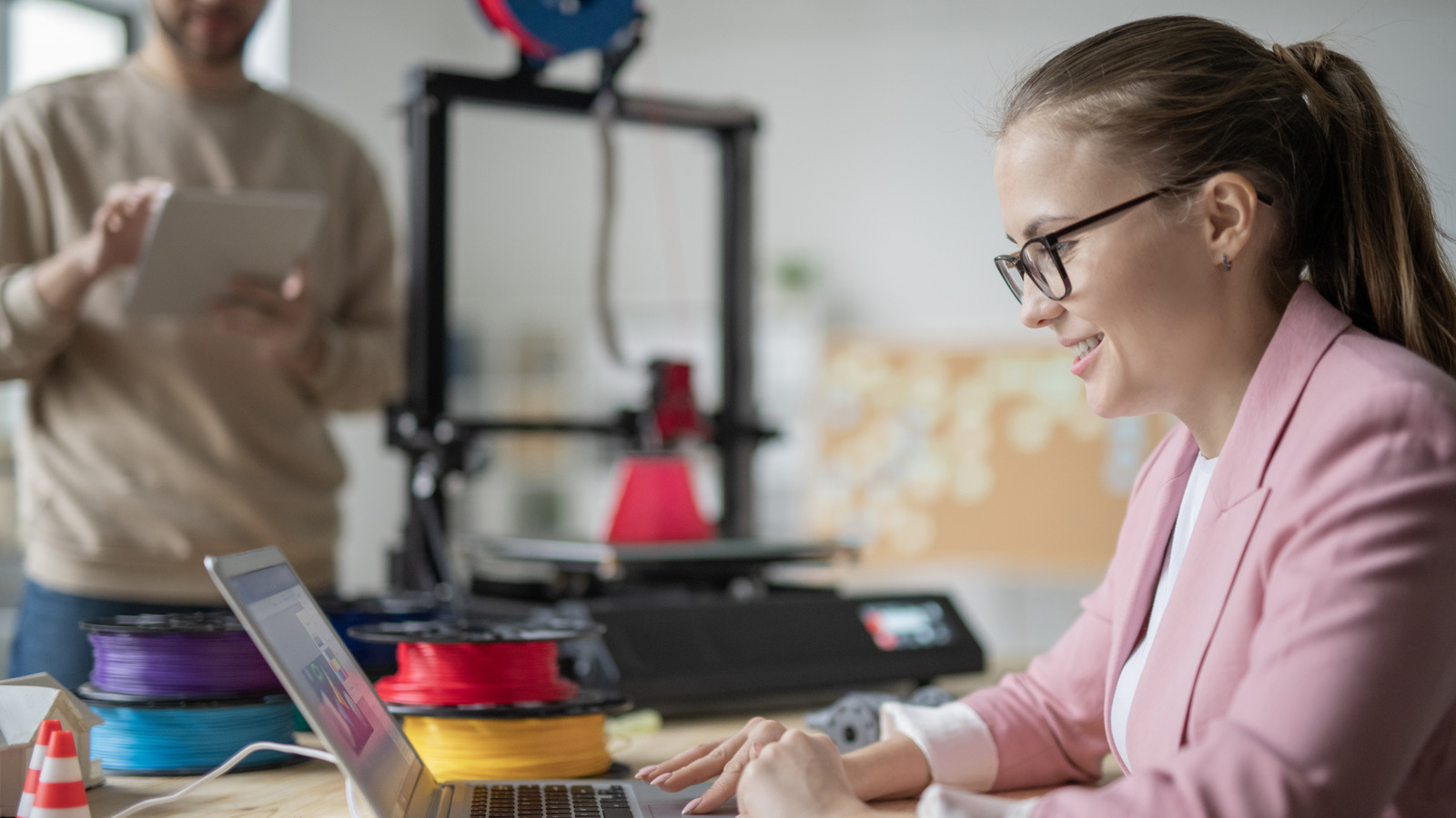
With desktop 3D printers now a regular presence in hobbyists' work areas, specialists caution that the location of these units within a residence can influence indoor air quality as well as fire safety.
Low‑cost fused‑filament printers are available in electronics shops and on web platforms, leading hobbyists to place them on desks, shelves or even nightstands. These machines operate by heating a filament—commonly PLA, ABS, PETG, or comparable thermoplastics—until it melts and is deposited layer by layer to create a part. Although the technique is simple, the emissions produced by melting plastics are not invariably harmless.
Studies and experiments indicate that using filaments like ABS emits ultrafine particles (UFPs) and volatile organic compounds (VOCs) that may remain airborne for several hours. PLA, derived from plants, produces lower emissions yet still releases a detectable quantity of particulate matter. In the absence of sufficient ventilation, these pollutants can build up, particularly in tight areas such as bedrooms or compact home offices, and may irritate occupants' respiratory tracts.
Fire hazard represents an additional concern. A printer’s hot end can exceed 250 °C, and the build plate frequently remains heated for long durations. A failure, wayward filament, or unintended touch of combustible material could spark a fire. While manufacturers generally incorporate thermal cut‑offs, the surrounding environment’s safety still hinges on how the user arranges the equipment.
Practical advice recommends positioning the printer in a well‑ventilated spot, distant from sleeping areas and flammable items. An open window, a dedicated exhaust fan, or a compact air purifier with a HEPA filter can assist in removing particles and gases. Setting the unit on a steady, non‑combustible base—like a metal or tempered‑glass table—lowers the risk of tipping and curtails heat transfer to adjacent furnishings. Enclosures that incorporate filtered airflow are increasingly popular for cutting emissions while confining heat.
Looking forward, printer makers are adding extra safety measures such as enclosed chambers, integrated filtration, and automatic shutdown sensors. Trade associations are starting to compose best‑practice recommendations, and certain municipal building codes could eventually cover home‑based additive manufacturing. Until those standards are broadly adopted, users should adhere to current guidance, inspect their machines routinely, and give precedence to a safe, well‑ventilated workspace.



Comments (0)
Be the first to comment.
Join the discussion