Gulf Dugong Numbers Halved, Experts Call for Rapid Conservation Measures
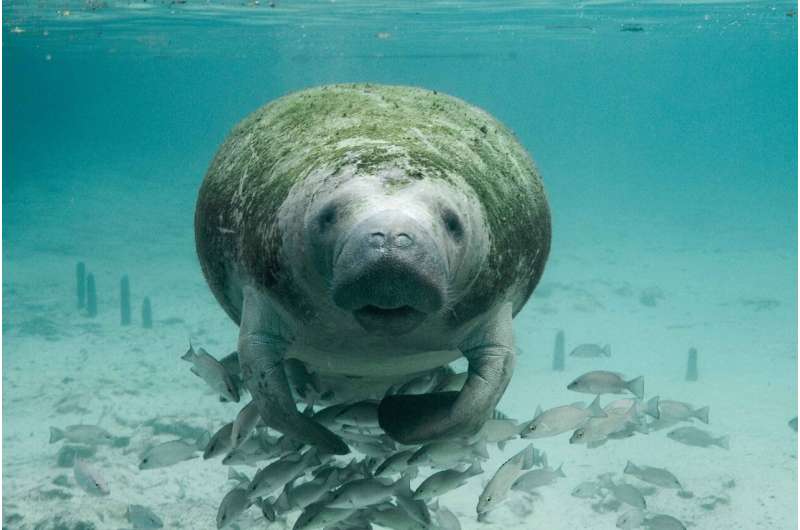
Recent survey findings reveal that the number of dugongs inhabiting Australia’s Gulf of Carpentaria has fallen to about fifty percent of its former size, a drop that scientists argue warrants immediate policy action to protect the celebrated marine mammal.
Carried out in partnership by researchers from James Cook University, Charles Darwin University and Indigenous Ranger teams, the assessment contrasted fresh field data with previous counts and uncovered a dramatic plunge in the population of these gentle herbivores. The scientists emphasize that this is not a brief fluctuation but a persistent downward trajectory endangering the species’ long‑term survival in the area.
Feeding on vast seagrass meadows, dugongs depend on the Gulf of Carpentaria, which contains some of the planet’s largest and most productive beds. In the last ten years, expanding coastal development, unchecked fishing practices and warming waters have strained these habitats. The latest data imply that the loss of seagrass, together with accidental bycatch and collisions with vessels, is likely behind the steep population decline.
Indigenous ranger groups, long‑time stewards of the Gulf’s ecosystem health, noted that the downturn coincides with reports of shrinking seagrass coverage and a rise in extreme weather incidents. Their participation in the surveys highlights the expanding contribution of traditional custodians to scientific inquiry and conservation strategy.
Officials are being pressed to turn these findings into tangible measures, including enlarging marine protected zones, tightening rules on commercial fishing equipment, and financing habitat restoration initiatives. Conservation organisations warn that without swift action, the Gulf risks losing a keystone species whose grazing sustains seagrass diversity and carbon‑sequestration functions.
Going forward, the research team intends to carry out ongoing monitoring to assess whether the suggested actions can stem or reverse the decline. The stark fifty‑percent drop acts as a cautionary signal that wider environmental stresses across northern Australia are converging on vulnerable fauna, making coordinated, science‑based responses more urgent than ever.


Comments (0)
Be the first to comment.
Join the discussion