Google Play Store to Allow External Billing Systems in Major Regions Starting June 30th
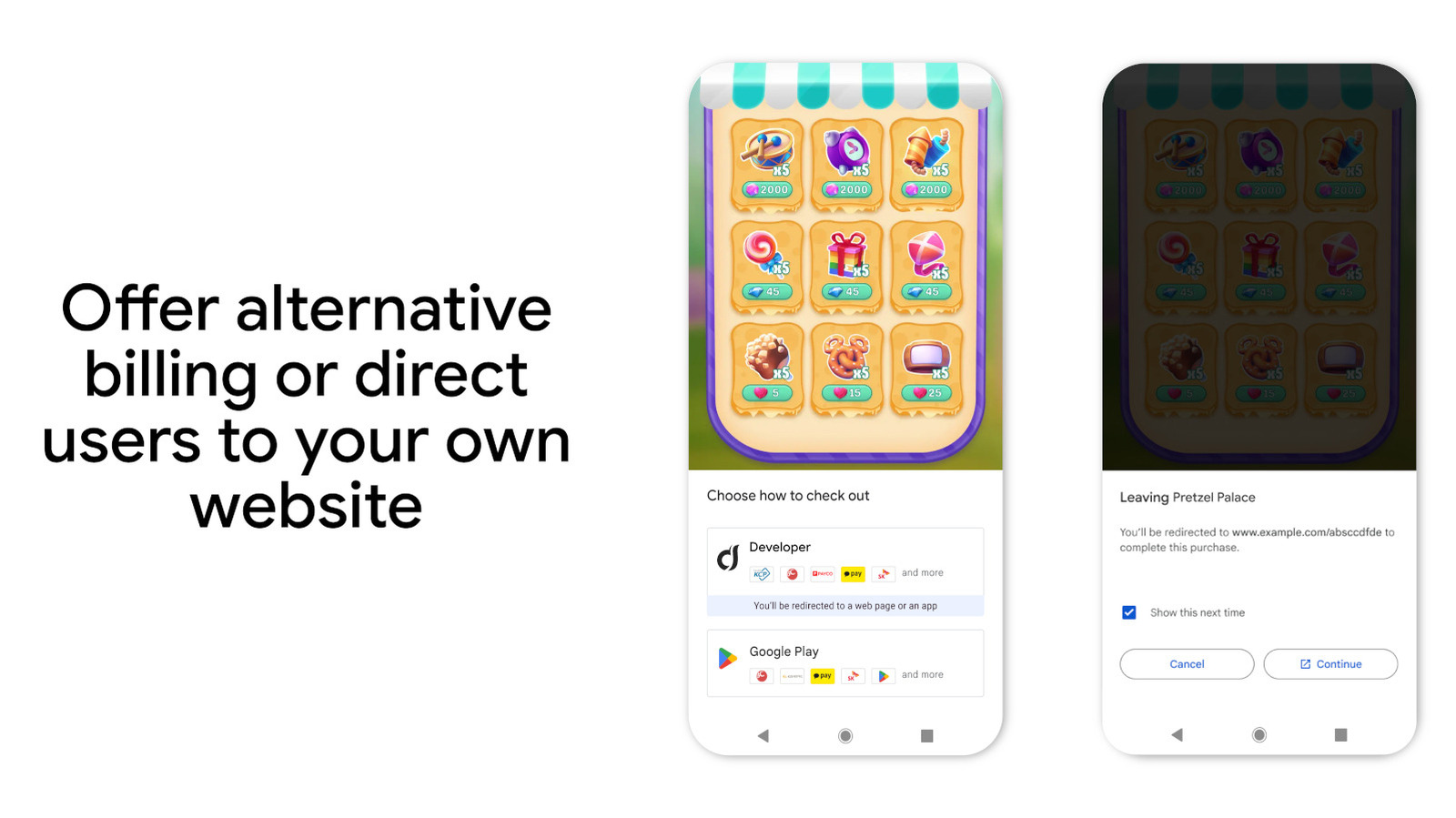
A notable policy change by Google is set to give developers on its Play Store the ability to incorporate alternative billing methods. This new option, set to become active on June 30, will apply to the United States, the United Kingdom, and all European countries, offering app creators more choice in managing payments for their digital offerings.
For a long time, Google has required that all in-app transactions on the Play Store utilize its own billing platform. This proprietary system usually charges a commission, varying from 15% to 30% of each transaction, a practice that has frequently drawn criticism from numerous developers. These developers have consistently contended that such charges substantially diminish their income, especially impacting smaller, independent studios and individual creators.
Allowing alternative billing methods signifies a major shift away from the previously entrenched system. This change could mean lower transaction expenses for developers, potentially enabling them to keep a greater portion of their profits. Such an increase in funds might then be channeled back into developing new products, enhancing marketing efforts, or offering more attractive pricing to users.
Consumers within these designated regions might find a wider selection of payment options accessible for in-app purchases or digital service subscriptions. Although the direct effect on prices for consumers isn't yet clear, heightened competition among payment processors could ultimately result in better conditions for users.
Google's decision to modify its policy comes at a time of increasing international examination of how app stores operate. Across different jurisdictions, regulators and legislative bodies have been investigating the control exerted by dominant app stores and their billing mandates, frequently raising issues related to fair competition and the independence of developers. Though Google hasn't explicitly linked its announcement to these concerns, the timing coincides with these continuing dialogues.
Implementing this choice across significant economic territories like the US, UK, and Europe highlights the far-reaching consequences of this new policy. These particular markets constitute a considerable segment of the worldwide digital economy, suggesting that Google's move is not merely a regional test but rather a comprehensive alteration in how it manages developer interactions and payment processing.
With June 30 drawing near, developers are expected to start assessing different third-party billing services for integration into their apps. The lasting consequences of this adjustment, encompassing its influence on Google's Play Store earnings and the wider competitive environment of digital platforms, will be keenly observed by both industry analysts and stakeholders.


Comments (0)
Be the first to comment.
Join the discussion