Google Glass Face‑Punch Video Still Shrouded in Uncertainty After Years of Rumor
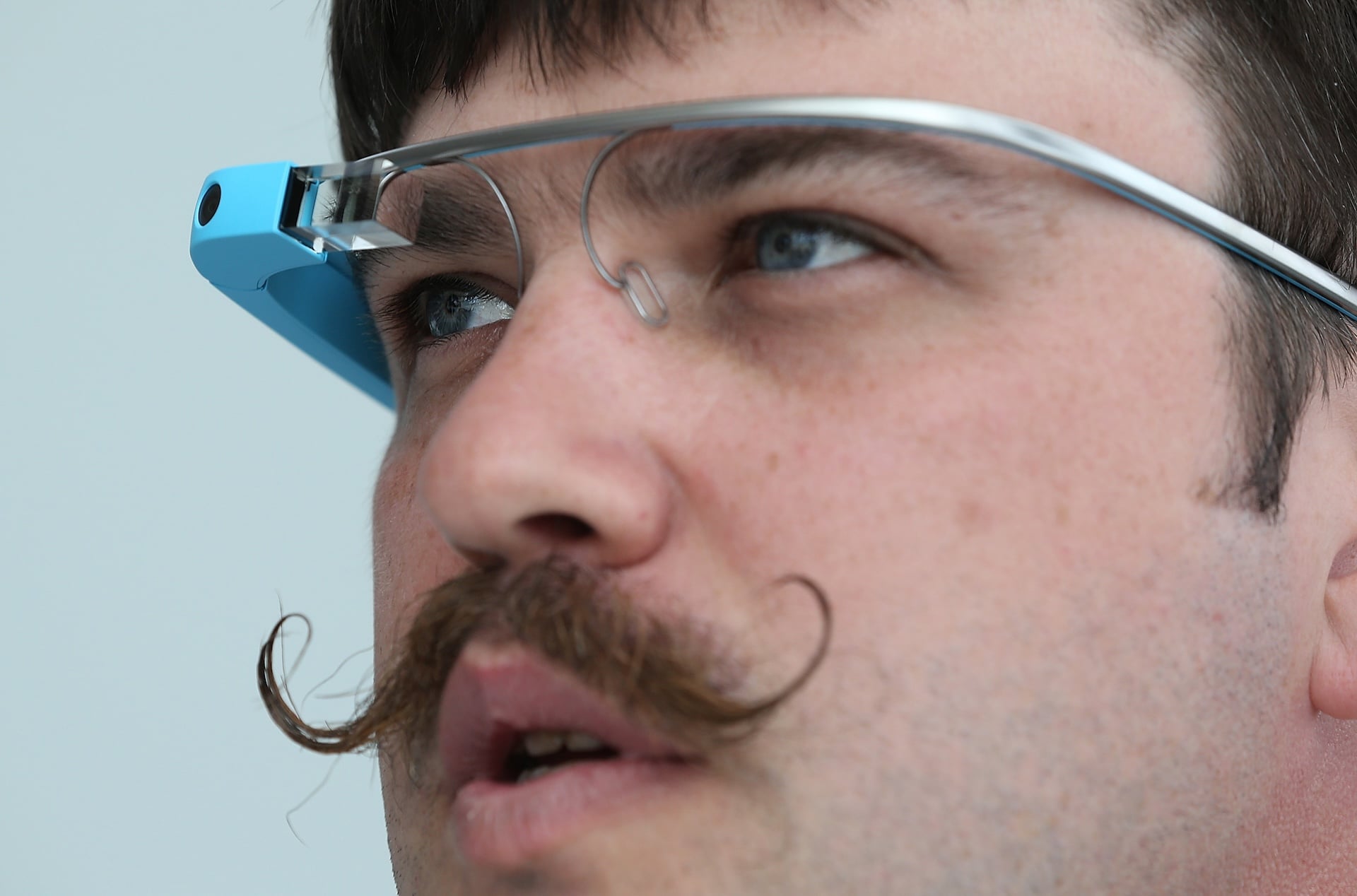
A resurfaced online video that appears to depict a person equipped with Google Glass receiving a blow to the face has reignited discussion about the gadget’s safety and the trustworthiness of viral clips. First spotlighted by the tech outlet Gizmodo, the footage has turned into a reference point in conversations about the initial wear‑able’s public reception, although numerous viewers concede that the specifics remain vague.
Introduced to consumers in 2013, Google Glass sparked both enthusiasm and backlash. Supporters lauded its hands‑free operation, whereas critics voiced privacy worries and doubted its social suitability. Its unique frame rendered users immediately identifiable, unintentionally making them the center of attention in public venues.
In the contested clip, a passerby strolls along an urban sidewalk, looking around, when a second person draws near and seems to strike the Glass wearer in the face. The recording is short, low‑resolution, and provides no identifying details about either party. Gizmodo’s report referenced the episode while adding that “our memories seem a bit fuzzy,” underscoring the ambiguity surrounding the precise happenings.
Following the story’s emergence, analysts have presented divergent readings. One viewpoint sees the video as evidence of the social tension early Google Glass users encountered, implying the gadget’s eye‑catching design could have incited aggression. A contrasting stance warns against forming judgments based on a lone, unverified clip, noting that viral media often contains edited or staged material.
Experts in the field observe that, regardless of its veracity, the incident highlights wider obstacles confronting nascent wearables. Visibly distinct gadgets can serve as focal points for both intrigue and hostility, shaping public opinion and, in turn, affecting market uptake. Google Glass itself was pared down after its first consumer rollout, redirecting effort toward business‑oriented uses where the devices are less prone to draw negative notice.
To date, no police documentation, witness testimonies, or subsequent inquiries have emerged to verify the episode’s authenticity. This absence of supporting proof places the tale in a murky zone, functioning more as a cultural footnote than a confirmed act of aggression. As Google and peer companies press on with subtler, less conspicuous wearables, the incident serves as a cautionary note on how initial stories—whether true or fabricated—can influence the path of emerging tech.



Comments (0)
Be the first to comment.
Join the discussion