Google adds blood pressure and insulin resistance monitoring to Fitbit Air, taking on costly competitors
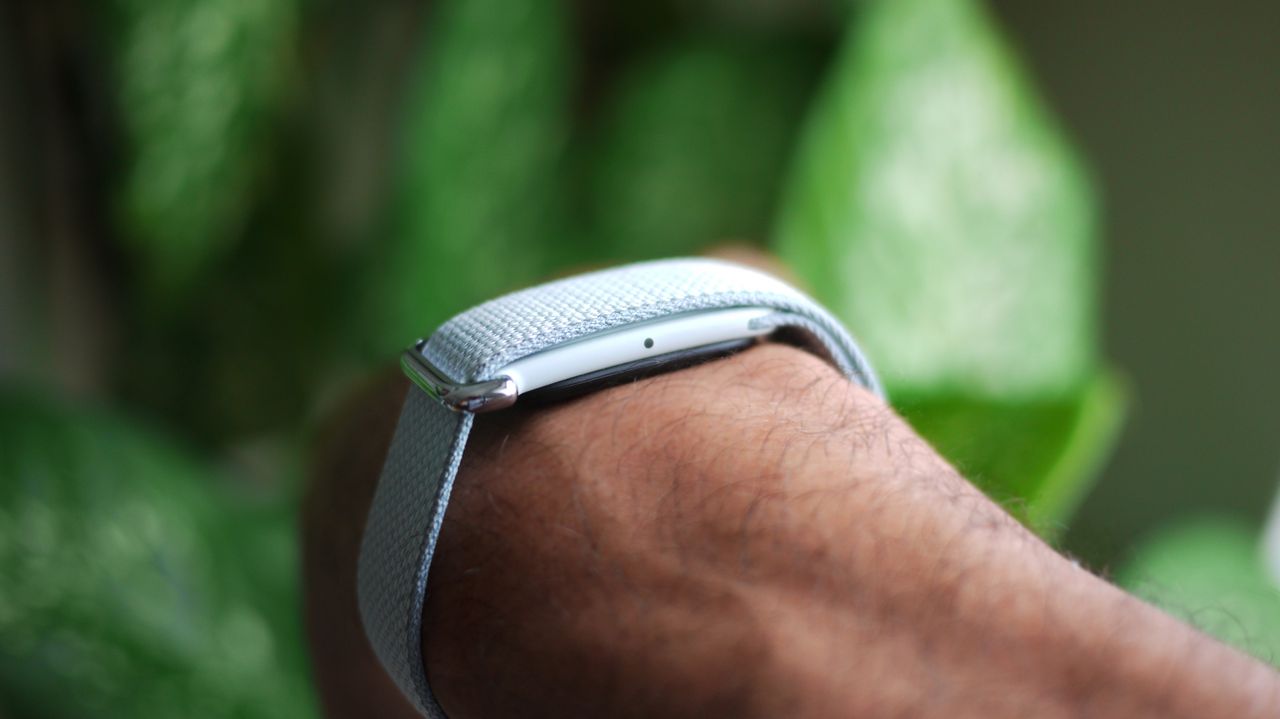
Google said the affordable Fitbit Air tracker is set to gain a bundle of fresh health‑monitoring features, timed to launch together with the Pixel Watch 5. Dubbed Health Guardian, the upgrade introduces nonstop monitoring of blood‑pressure trends, insulin‑resistance patterns and a measure of sleep‑breathing quality.
These additions come free of charge, with no need for a Google Health Premium subscription, setting the Fitbit Air apart from rivals that place sophisticated analytics behind recurring fees. The new data points will appear straight in the Fitbit app, displayed together with the current activity and sleep stats.
The insulin‑resistance trend feature in Health Guardian mirrors the rising demand for wearables that shed light on metabolic health, an area once confined to clinical labs. Although it isn’t a substitute for a medical diagnosis, it gives users a long‑term perspective on indicators that may hint at early pre‑diabetes or similar disorders.
Monitoring blood pressure via wearables has sparked debate over precision. Google’s solution taps the Air’s optical sensors paired with algorithms benchmarked to clinical standards, yet the firm cautions users to verify any critical readings with a medical‑grade device.
Introducing sleep‑breathing quality aims to help users grasp possible sleep‑disordered breathing incidents, like mild apnea. By examining respiration patterns during rest, the Fitbit Air can highlight irregularities that might merit additional medical review.
Analysts point out that these cost‑free, software‑only enhancements could squeeze pricier platforms such as Whoop, which levy subscription charges for similar analytics. As wearables embed deeper into daily health routines, the market may tilt toward feature‑dense, affordable devices that depend on ecosystem integration instead of hardware price tags.



Comments (0)
Be the first to comment.
Join the discussion