German Researchers Identify Source of Global Power Grid Instabilities
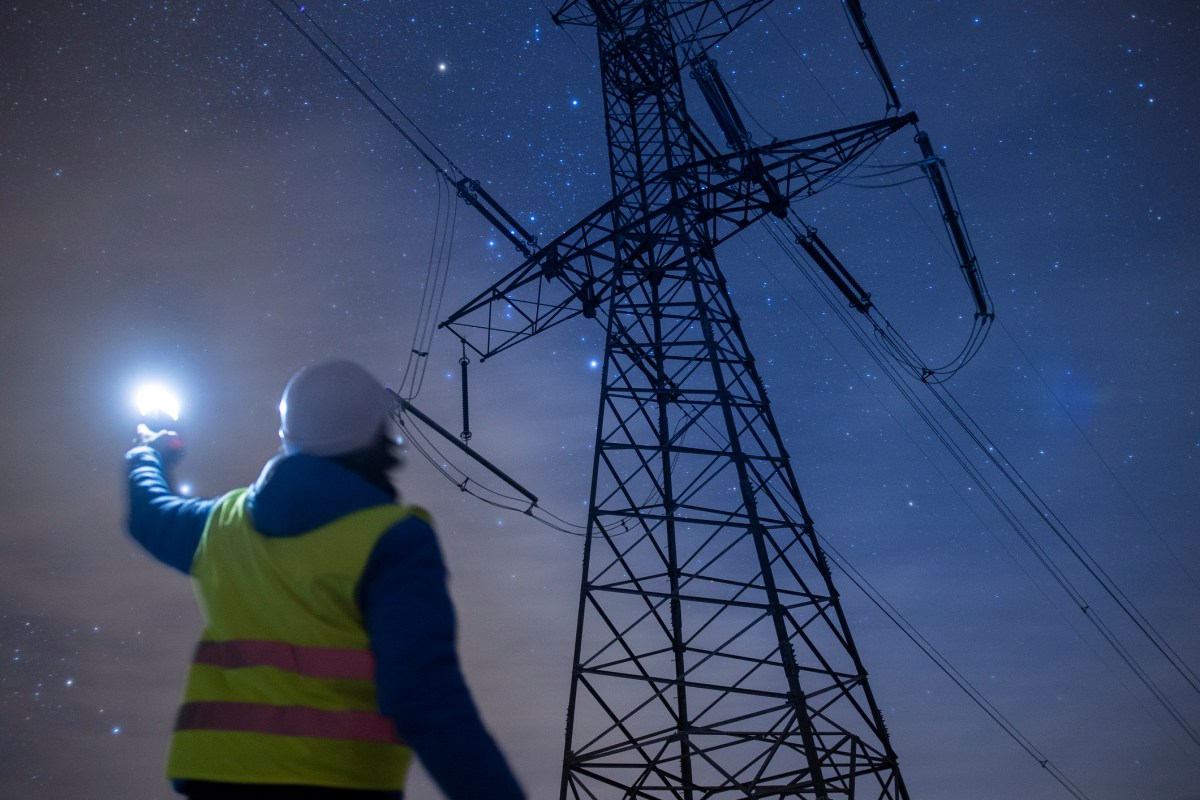
A German‑based collaborative research group announced it has pinpointed the technical cause of a string of synchronized power drops that have intermittently disturbed electricity networks on multiple continents during the last year.
Grid operators in Europe, Asia and North America first reported the anomalies, which appeared as short yet simultaneous voltage dips that triggered protective devices, causing localized outages and, at times, broader cascading failures. Their synchronized timing and likeness sparked speculation about coordinated cyber‑attacks, solar weather effects, or equipment faults.
Researchers from the German Institute for Energy Systems (GIES) together with partner universities analyzed high‑resolution telemetry from hundreds of substations, cross‑checking it against satellite‑derived geomagnetic measurements and documented cyber‑incident logs. Their study uncovered a uniform pattern: the disturbances stemmed from a particular class of high‑voltage transformer stations that use an older generation of protective‑relay firmware.
The investigators determined that a dormant software defect in the relays led them to mistake swift load variations for fault conditions. Activation of the relay isolated the transformer, producing an abrupt supply dip that spread across the grid. Since numerous networks employ comparable equipment, the flaw appeared concurrently in widely separated systems, creating the illusion of a coordinated attack.
Now that the root cause is documented, utilities around the globe are being advised to refresh the vulnerable firmware and carry out focused inspections of the affected transformer models. Regulatory agencies in the European Union and the United States have already released advisories, and a number of grid operators have started applying patches to avert future incidents.
The finding highlights the value of cross‑border data sharing and collaborative technical research for protecting critical infrastructure. Researchers note that the next step will be to monitor the patched systems to confirm stability and to investigate whether other legacy components could present comparable hazards. By swiftly correcting the flaw, the sector aims to rebuild confidence in the robustness of worldwide power networks.


Comments (0)
Be the first to comment.
Join the discussion