Genetic Breakthrough Ties British Royalty to Solving Romanov Enigma After Seven Decades
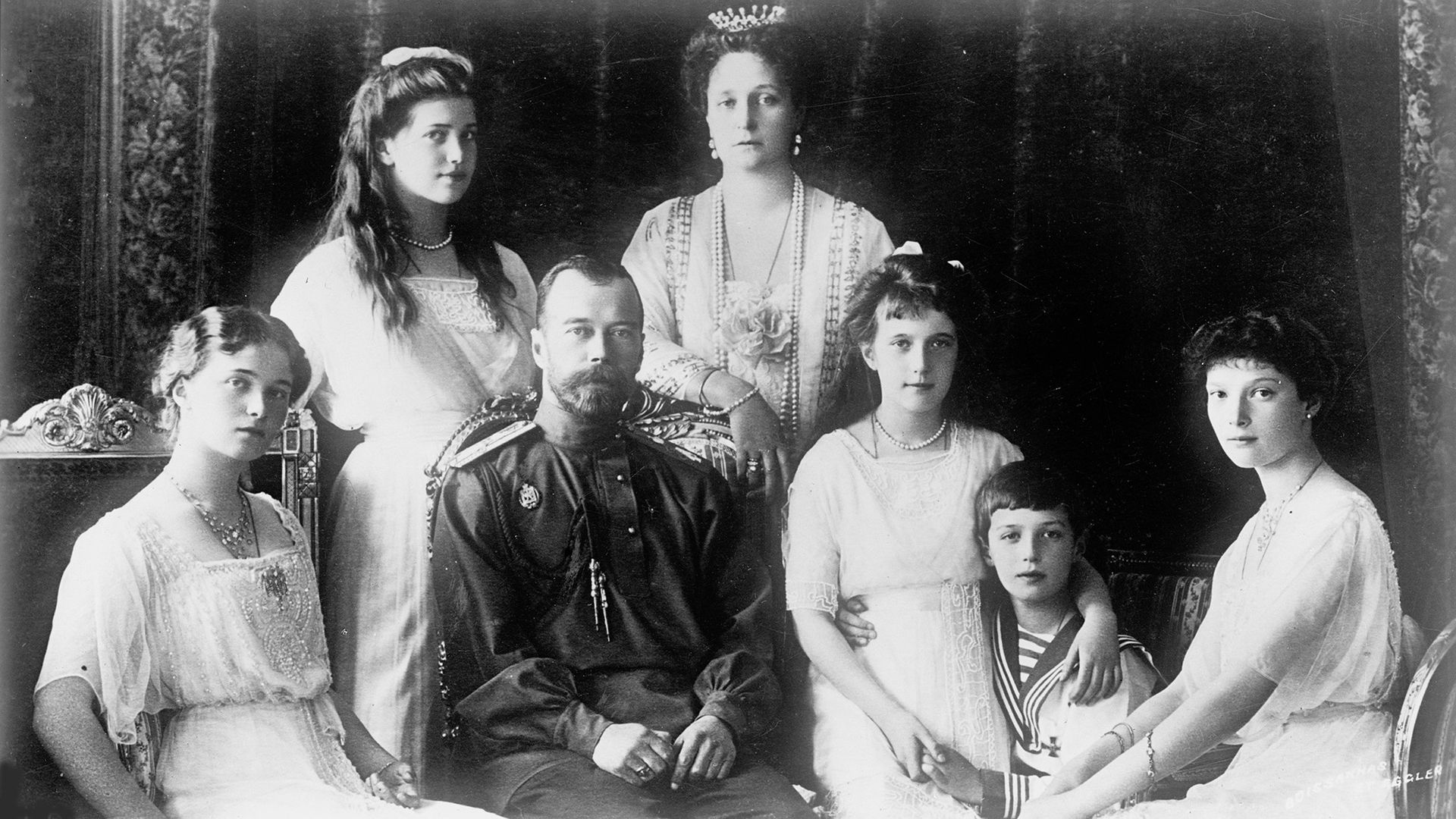
Researchers have at last verified the identities of the Romanov family killed in 1918, bringing closure to a story that has persisted for over seventy years. The advance stemmed from DNA testing that connected the skeletal remains to living members of the British royal line, highlighting the historic bond between the two houses.
During the turbulent spring of 1917, the Russian Revolution compelled Tsar Nicholas II to relinquish the throne, and his household was transferred from the capital to an isolated station in the Urals. Although King George V of Britain—Nicholas’s first cousin—first mulled granting refuge, the British authorities later rescinded the proposal, exposing the Romanovs to the revolutionary troops that rapidly seized power.
The destiny of the imperial clan stayed enveloped in uncertainty for many years. Tales of possible survivors lingered, and several digs yielded fragmentary bones that defied definitive identification. Only in the early 1990s did investigators uncover a mass burial site near Yekaterinburg, leading forensic specialists to employ nascent genetic methods.
By extracting mitochondrial DNA from the skeletal fragments and juxtaposing it with DNA from living kin—among them members of the British royal family—scientists achieved a highly reliable match. The results verified that the bones belonged to Nicholas II, his consort Alexandra, and three of their five offspring, putting to rest decades‑long conjecture about their final end.
This finding carries wider significance for historical research and diplomatic remembrance. It underscores the way European family ties swayed political choices amid World I and the Russian Revolution, and it showcases modern science’s ability to resolve historic disputes. Subsequent efforts may aim to uncover the remains of the two absent children, whose burial sites remain unknown, and to delve deeper into the intricate network of royal connections that molded early‑20th‑century geopolitics.



Comments (0)
Be the first to comment.
Join the discussion