FDA Approves First Expandable Artificial Heart Valve for Kids, Reducing Repeated Surgeries
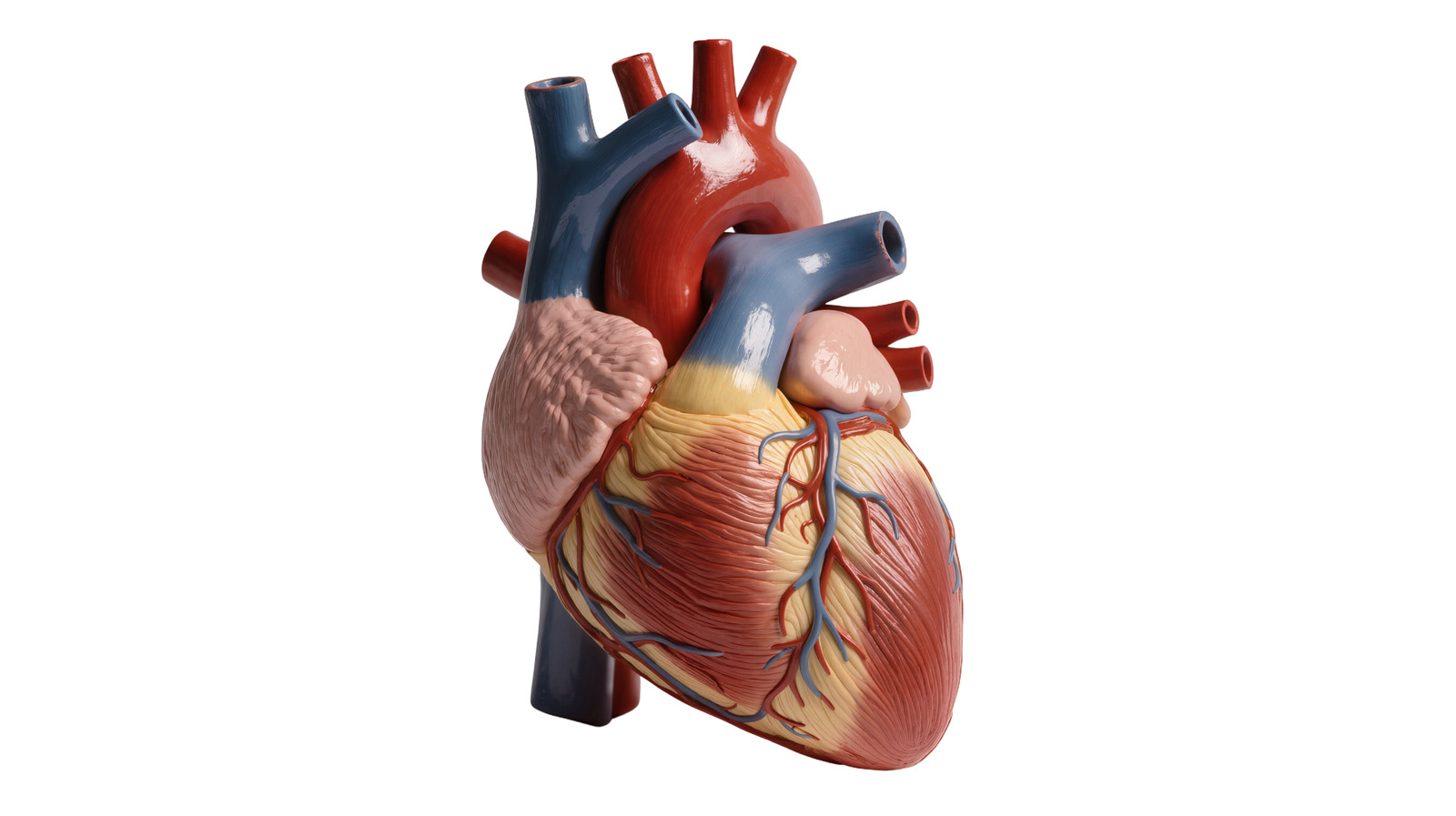
The U.S. Food and Drug Administration has cleared a pediatric artificial heart valve capable of expanding as a child matures, a breakthrough anticipated to cut down the multiple open‑heart surgeries normally needed for specific congenital heart defects.
Each year, congenital heart‑valve defects impact thousands of youngsters, frequently requiring valve replacement soon after birth. Since current prosthetic valves come in a single size, surgeons are forced to swap them out repeatedly as the child's heart grows, subjecting patients to accumulating surgical risk, extended hospitalizations, and considerable emotional and financial burdens for families.
The newly cleared device is built from a biocompatible material that can be enlarged through minimally invasive catheter procedures, enabling the valve to keep pace with the heart’s natural growth without a full surgical replacement. Early clinical studies showed the valve retained functional performance for several years while safely expanding, satisfying the FDA’s standards for safety and efficacy.
Regulators examined data from multi‑center investigations that included pediatric patients with ailments like pulmonary valve stenosis and right‑ventricular outflow tract obstruction. The trials indicated low complication rates, stable hemodynamic readings, and no re‑operations during the follow‑up window. Consequently, the agency granted a premarket approval, the most stringent route for high‑risk medical devices.
Experts contend that the clearance could reshape the standard of care for young patients with valve disease. By curbing the number of open‑heart operations, the valve has the potential to trim long‑term healthcare expenses, lessen anesthesia exposure, and enhance quality of life for children and their families. Hospitals are already gearing up to integrate the technology into their pediatric cardiac services.
Manufacturers intend to maintain post‑market surveillance to monitor long‑term results and to investigate adaptations of the growth‑capable design for additional cardiac uses. Should the device live up to expectations, it could usher in a new generation of implantable products that adapt to a patient’s development, further easing the procedural load on vulnerable groups.



Comments (0)
Be the first to comment.
Join the discussion