Far‑Right Shifts Rhetoric to Cast Data Centers as Havens for ‘Algorithmic Immigrants’
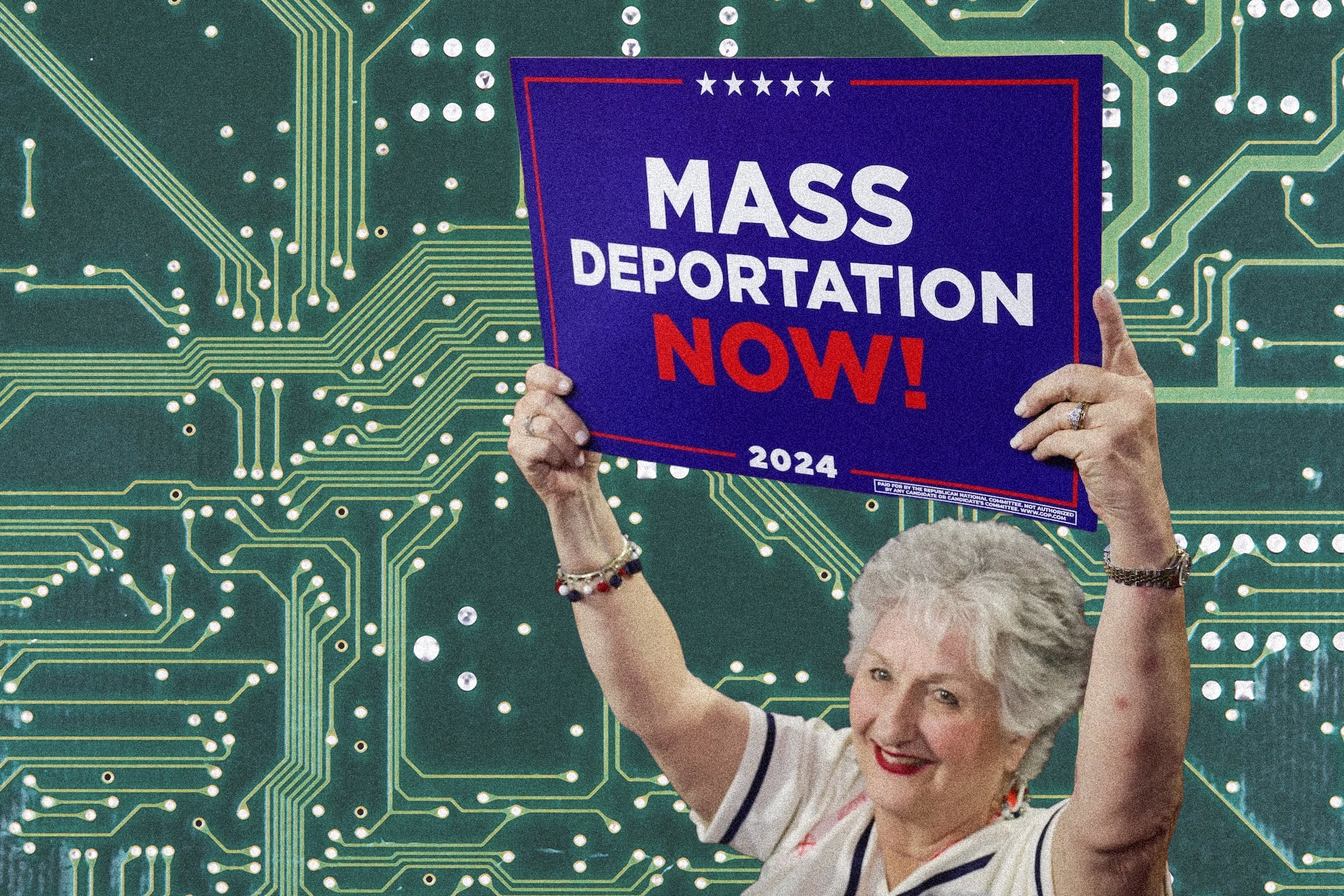
At a recent far‑right rally, speaker Joe Allen—identified as a close associate of former strategist Steve Bannon—asserted that contemporary data centers function as "incubators for algorithmic immigrants." The remark signals a noticeable pivot in the movement's anti‑immigration discourse, extending its target to the digital backbone of artificial intelligence and cloud services.
Allen’s wording repurposes the movement’s familiar language of cultural preservation, portraying advanced computing assets as a fresh breed of unwanted migration. By equating servers and machine‑learning models with people crossing borders, he aims to mobilize a constituency long wary of globalization, now channeling that unease toward the invisible labor of algorithms that power everything from social‑media timelines to predictive policing tools.
This turn mirrors wider anxieties in certain right‑wing circles that technology undermines national sovereignty. Critics contend the storyline blurs intricate technical operations with the human experience of immigration, manufacturing a scapegoat for broader economic and cultural shifts. Industry analysts point out that data centers are sited primarily for inexpensive electricity and cooling, not demographic considerations, and that the label "algorithmic immigrants" bears no relation to the actual makeup of AI development teams.
Traditionally, the far‑right’s anti‑immigration narrative centered on tangible borders and labor markets. In recent years, however, the group has embraced rhetoric around "tech sovereignty" and "digital colonization," suggesting that foreign actors—whether nation‑states or multinational corporations—are infiltrating domestic infrastructure. Allen’s comment weaves these themes together, depicting the cloud as a gateway for an unseen influx that threatens cultural identity.
Analysts observe that the language may be crafted to rally supporters ahead of forthcoming electoral cycles, where technology policy is emerging as a contested arena. Lawmakers in several states have already proposed bills to increase AI transparency and curb foreign investment in critical data facilities. This emerging narrative could shape public perception of such proposals, framing regulation as a shield against an alleged digital invasion.
While the claim that data centers host "algorithmic immigrants" lacks empirical support, its influence on public discourse could be significant. Advocacy groups warn that sensational phrasing might distract from genuine concerns about privacy, security, and the ethical deployment of AI. As the debate evolves, policymakers and tech leaders will need to address both the real technical challenges and the political narratives seeking to steer them.



Comments (0)
Be the first to comment.
Join the discussion