FAA Rolls Out AI Advisory Tool Nationwide to Alleviate Air Traffic Delays
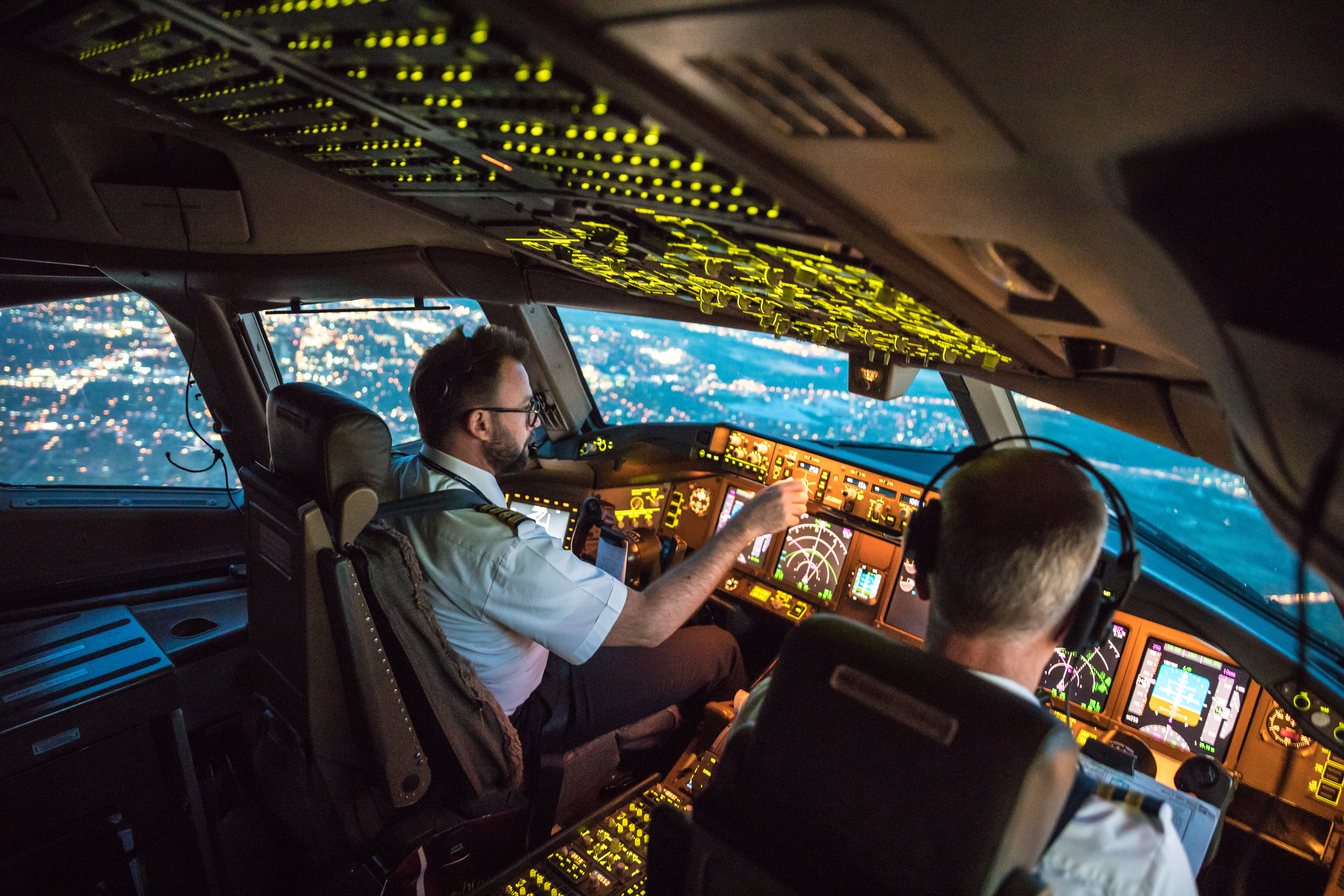
On Tuesday, the Federal Aviation Administration disclosed that its AI‑driven advisory system is set to be deployed throughout the United States airspace, expanding a capability that had previously been confined to a few regions. The initiative aims to furnish air‑traffic controllers with extra decision‑support information to better handle the rising number of flights and ease congestion at major hubs.
Created jointly with industry partners and research institutions, the system leverages machine‑learning models to process live flight information, weather conditions, and airport capacity. It then presents controllers with recommended sequencing and spacing, enabling them to foresee congestion before it occurs. The tool has spent several years in a pilot program across high‑traffic corridors, where initial trials indicated modest gains in on‑time performance.
Airline executives have largely embraced the rollout, noting that the AI assistance could lead to reduced delays and more reliable timetables for travelers. They emphasized the possibility for carriers to align aircraft usage more closely with demand, particularly during peak travel seasons, while refraining from citing any specific cost savings or performance figures that remain unpublished.
The Professional Air Traffic Controllers Organization (PATCO), which represents the country’s air‑traffic controllers, released a statement conveying measured optimism. Although the union recognizes potential operational advantages, it demanded explicit safeguards, transparent supervision, and guarantees that the system will not supplant human judgment nor threaten job security. PATCO called on the FAA to keep controllers engaged in continuous testing and to set up procedures for handling any system glitches.
According to the FAA, the deployment will occur in stages, starting with major en‑route centers before reaching terminal facilities. Controllers are slated to receive training on how to interpret AI recommendations, and the agency intends to gather performance metrics to refine the algorithms. Officials stressed that the AI system functions as an advisory aid—not an autonomous controller—and that ultimate decision‑making stays with certified air‑traffic controllers.
Analysts see the extension as a component of a wider effort to modernize the National Airspace System, which the FAA projects will accommodate over 45,000 flights daily by 2030. Should the AI support prove successful, it may open the door to further automation projects, including automated conflict detection and dynamic rerouting. The agency has committed to issuing regular reports on the system’s impact, enabling stakeholders to evaluate whether the technology achieves the anticipated efficiency improvements while upholding safety standards.


Comments (0)
Be the first to comment.
Join the discussion