Extending Ethernet to the Outdoors? Professionals Advise Against Standard Indoor Cables
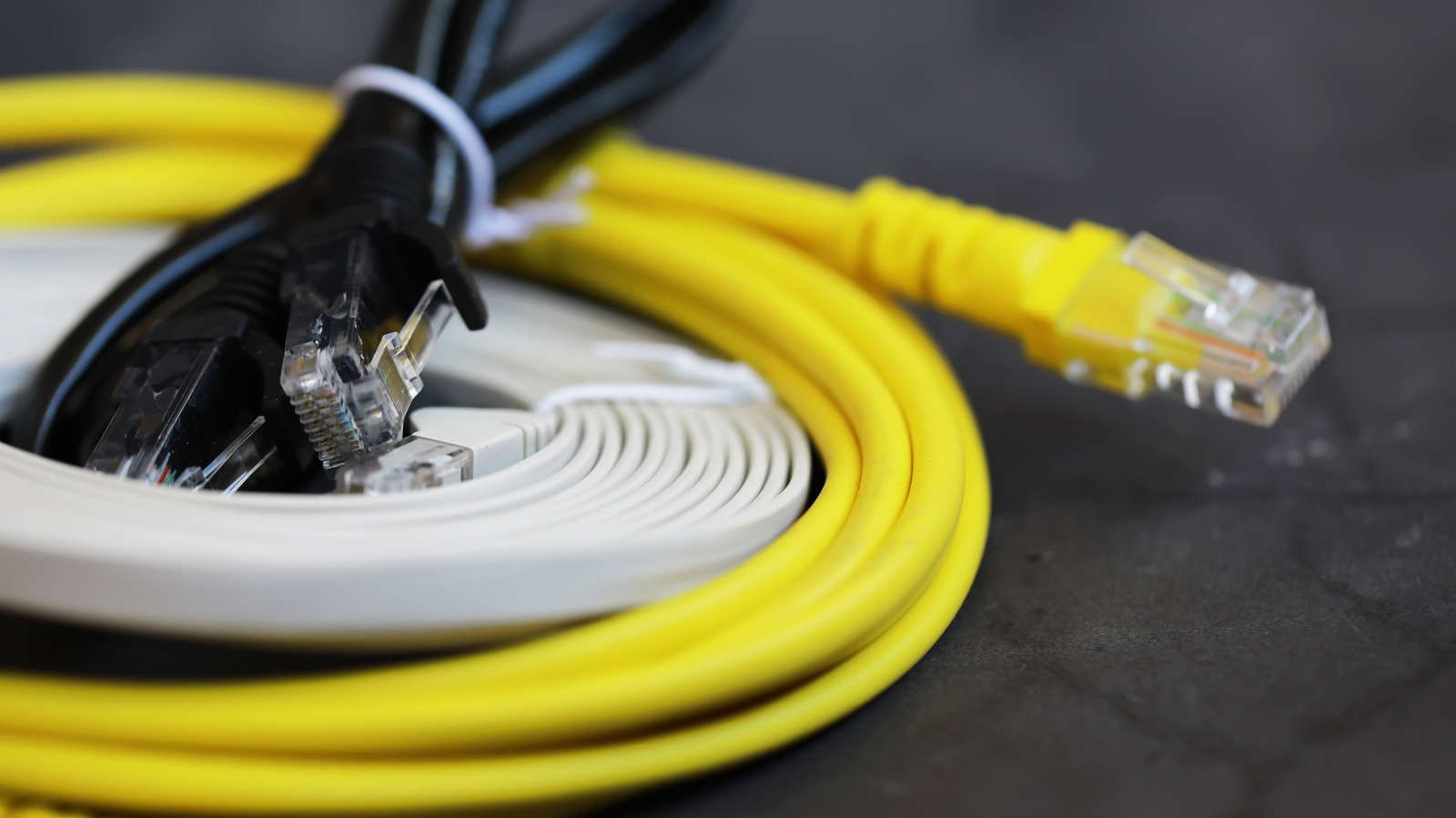
While you can physically run a typical indoor Ethernet cable across a lawn or up a building’s exterior, the majority of networking experts warn that it’s unwise, as the cable isn’t designed to endure outdoor conditions.
Conventional Cat5e, Cat6 or higher‑rated cables marketed for residential or commercial installations use a slim, pliable plastic sheath to shield the twisted‑pair conductors from routine handling. This sheath provides minimal defense against ultraviolet (UV) light, drastic temperature changes, moisture, or direct rain and snow. Prolonged UV exposure can make the jacket brittle, and water infiltration can penetrate the insulation, resulting in corrosion, signal degradation, and eventual link failure.
Cable makers indeed offer “outdoor‑rated” Ethernet lines tailored for such environments. These variants incorporate UV‑stabilized jackets, gel‑filled or water‑blocking constructions, and usually a more robust outer covering suitable for burial or placement in conduit. A number of them also possess elevated fire‑ratings—plenum or riser designations—to comply with building‑code standards that standard indoor cable generally fails to satisfy.
Best‑practice installation guidelines underscore the importance of using material designed for the job. If an outdoor segment cannot be avoided, experts advise running the cable inside a conduit or protective sleeve, fastening it at consistent intervals, and, when burying, positioning it at the depth mandated by local regulations—typically a minimum of six inches beneath the ground. Moreover, any exposed RJ45 connectors should be enclosed in weather‑proof housings to prevent moisture from reaching the terminations.
In scenarios requiring extended runs or facing severe conditions, numerous installers choose fiber‑optic cable, which resists electromagnetic interference and supports much longer spans without loss. If copper remains the preferred medium, the cable must be explicitly marked for outdoor deployment and accompanied by appropriate grounding and shielding as necessary. Adhering to these recommendations helps users prevent expensive downtime, remain compliant with safety codes, and maintain dependable network connections outside a building’s interior.


Comments (0)
Be the first to comment.
Join the discussion