European Police Sweep Dismantles KillSec Ransomware Service, Arrests Teen Suspected Leader
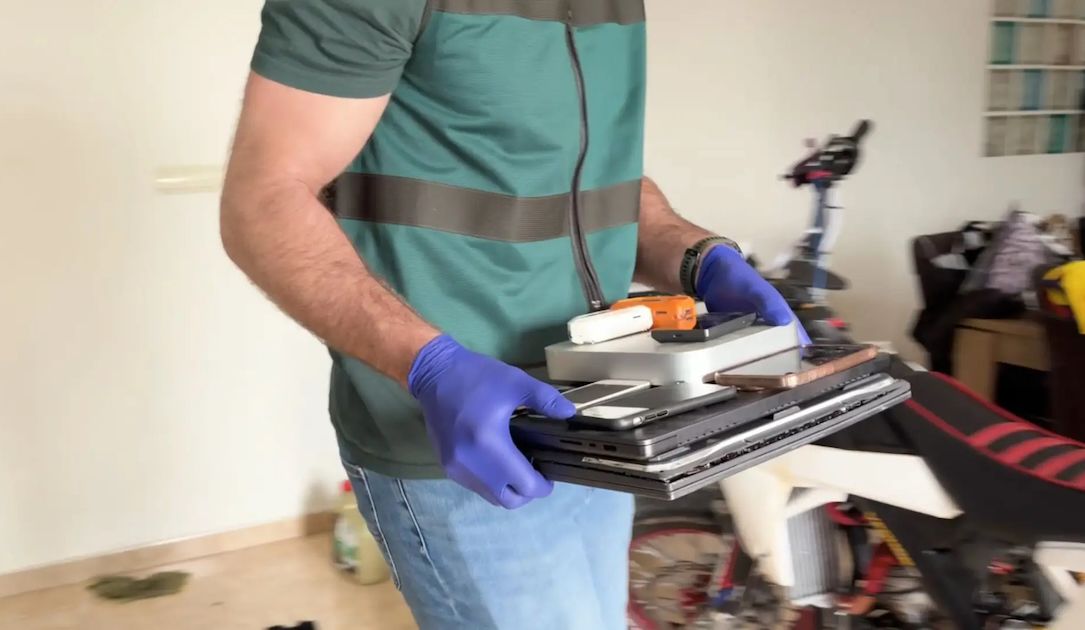
Law enforcement agencies throughout Europe disclosed a synchronized set of raids this week aimed at the KillSec ransomware‑as‑a‑service operation, ending with the arrest of a teenager thought to be the group’s primary coordinator.
Connected to numerous extortion attempts against corporations and public bodies, the operation supplied cyber‑criminals with an out‑of‑the‑box kit for encrypting files and demanding ransoms. Officials note that the service drew customers worldwide, allowing even inexperienced offenders to conduct advanced ransomware assaults.
Investigators representing multiple national bodies—among them police units from Germany, the Netherlands and the United Kingdom—collaborated to map the digital backbone of KillSec. Tracking cryptocurrency flows and penetrating the group’s communication networks led them to a core server farm and the people operating it.
A turning point arrived when forensic work linked the server’s admin login details to a social‑media account owned by a 17‑year‑old residing in a Western European nation. Though the teen’s name remains undisclosed, prosecutors claim he arranged the distribution of ransomware kits and handled ransom negotiations for client hackers.
In the course of the raids, officers confiscated computer equipment, encrypted cryptocurrency wallets and a collection of ransom letters employed to threaten victims. This haul should yield insight into the workings of ransomware‑as‑a‑service platforms and may assist in prosecuting comparable criminal outfits.
Cybersecurity specialists observe that KillSec’s takedown occurs amid a surge in ransomware incidents, as attackers lean more on subscription‑style models to broaden their impact. The teen’s capture at the organization’s core highlights a concerning pattern: technically adept youths are being recruited into lucrative illegal markets.
Legal commentators predict the case will probe European courts’ approach to minors charged with serious cyber offenses, weighing deterrence against age‑related and rehabilitative factors. At the same time, officials caution that dismantling the operation does not erase the wider danger, and they advise firms to keep strong backup routines and incident‑response procedures.
Authorities have vowed to sustain cross‑border cooperation to bring down additional ransomware‑as‑a‑service networks. The KillSec operation illustrates both the obstacles and the potential of joint law‑enforcement actions in cyberspace, providing a rare look inside a profitable cyber‑crime enterprise.


Comments (0)
Be the first to comment.
Join the discussion