European Microchips Persist in Russian Drones, Exposing Sanctions' Limits
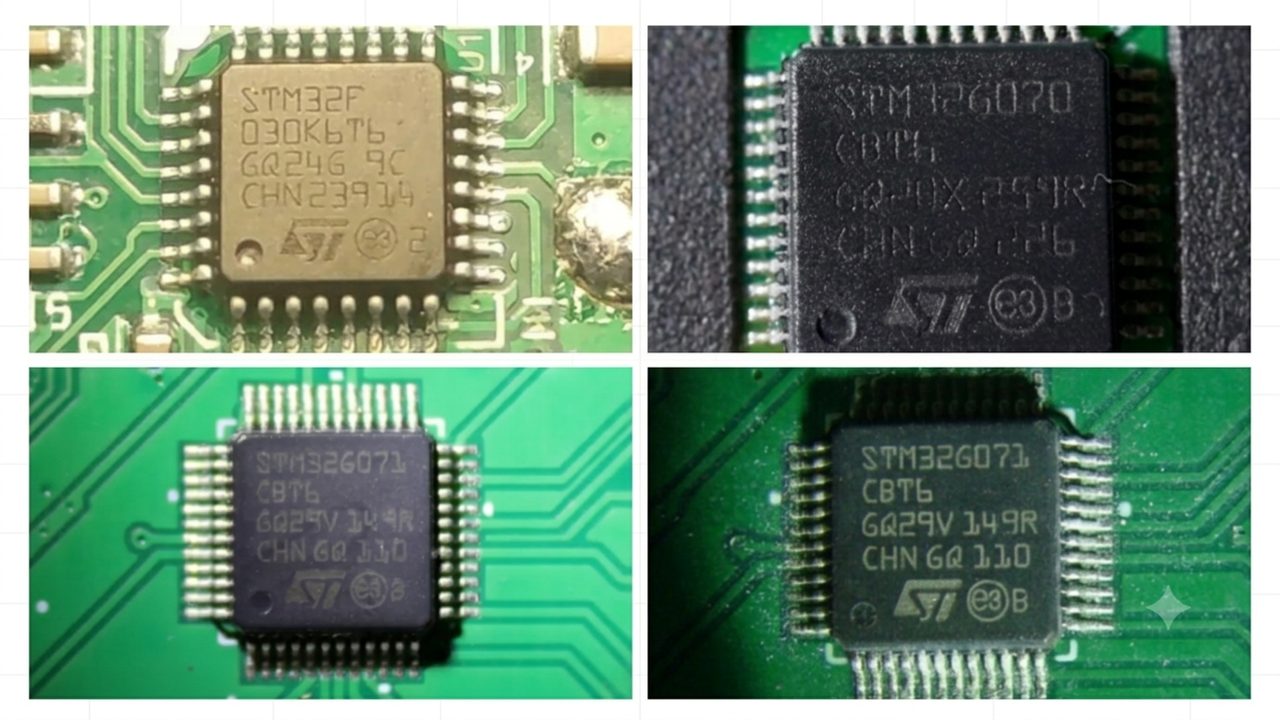
Thousands of deadly Russian drones are consistently found to contain small, European-manufactured microchips, despite widespread international sanctions designed to limit Russia's military strength. This persistent discovery underscores a major and ongoing difficulty in regulating the movement of essential technology within intricate global trade systems.
Evidence suggests that STM32 series microcontrollers, along with various other components developed in Europe, are commonly integrated into these unmanned aerial vehicles. The frequent identification of these crucial electronic parts highlights how efficiently clandestine supply chains bypass export restrictions, thereby equipping Russia with critical technology for its military endeavors.
Chinese supply chains emerge as a primary factor enabling this circumvention. These networks are reportedly instrumental in redirecting components initially created for civilian use, channeling them instead to military consumers in Russia. This convoluted trading structure poses immense challenges for international organizations and sovereign states attempting to monitor and seize this dual-use technology.
The intrinsic characteristic of dual-use technology—items possessing both legitimate civilian and potential military applications—presents a significant quandary for regulatory bodies. Although these microchips are fundamental to consumer electronics and industrial equipment globally, their small footprint and adaptability render them exceptionally useful for military apparatus, including sophisticated weaponry.
The ongoing presence of these components, notably a particular Swiss-designed microcontroller identified in investigations, prompts serious inquiries into the effectiveness of existing sanctions frameworks. Despite coordinated attempts to economically and technologically isolate Russia, the permeable nature of global commerce signifies that certain essential goods persist in reaching their designated recipients via covert channels.
Governments and international entities are contending with the challenge of strengthening controls without impeding legitimate worldwide trade. The sheer scale and intricacy of global commercial exchanges, coupled with the frequently sparse documentation for individual components, create formidable impediments to robust enforcement.
This scenario underscores a wider susceptibility within the global technology landscape, where the unrestricted flow of goods can inadvertently equip adversaries. Tackling this issue will likely necessitate heightened international collaboration, more substantial intelligence exchange, and possibly novel strategies for tracing components past their initial purchase point.
The persistent effort to stop European microchips from supplying power to Russian drones stands as a potent testament to the sophisticated and flexible character of illicit trade networks, and the persistent challenge of upholding technology regulations in our interconnected global society.



Comments (0)
Be the first to comment.
Join the discussion