Essential Specs to Check When Purchasing a Budget Android Phone
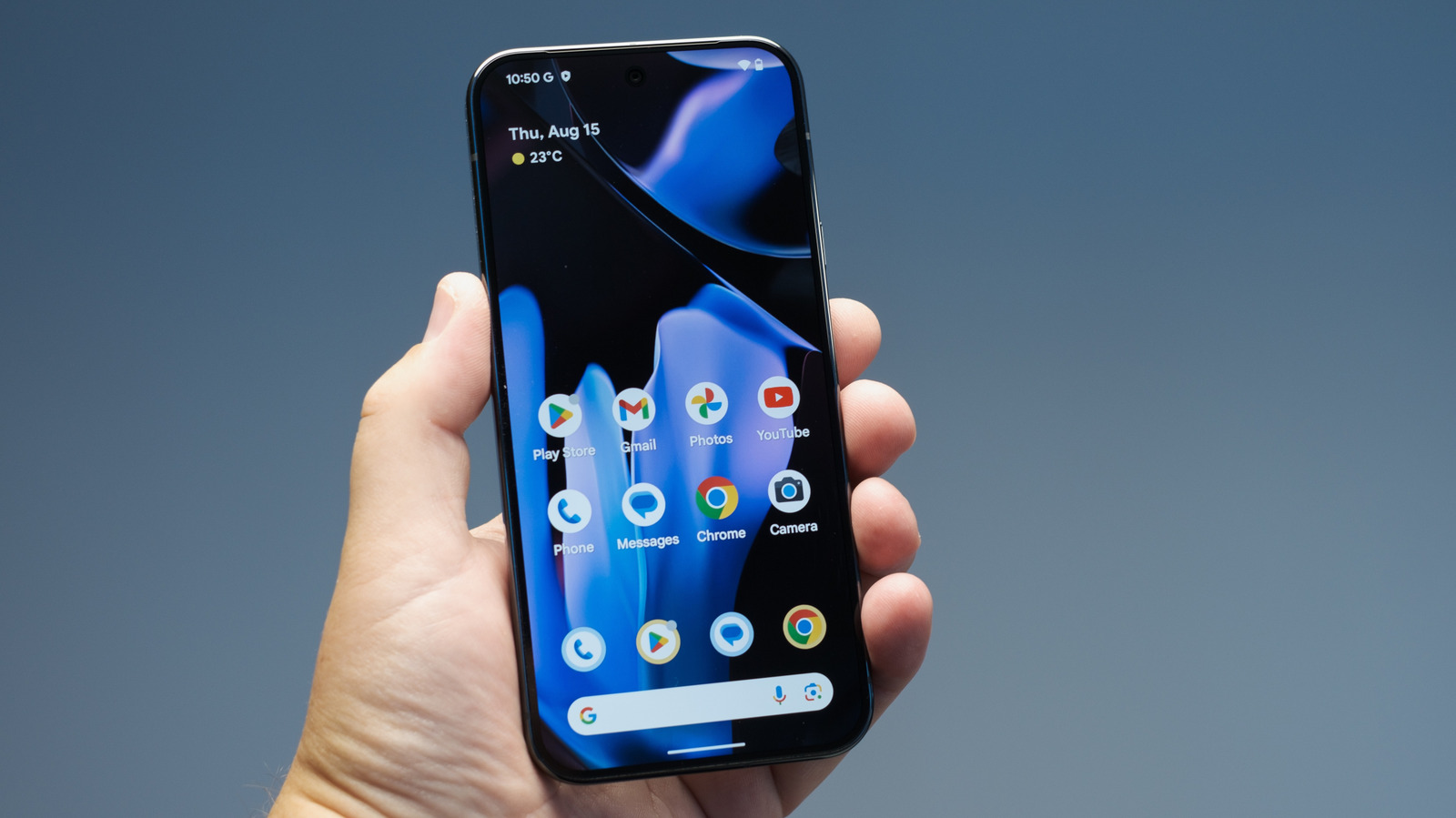
Anyone looking to buy a cheap Android handset should first confirm that it includes a set of fundamental specs, since lower prices frequently come at the expense of security, speed, and durability.
Android devices cover a broad range, from premium flagships that cost more than $1,000 to entry‑level phones priced below $150. Although inexpensive models open the platform to more users, they often sacrifice key characteristics in order to stay cheap.
Specialists point to a concise checklist of must‑have specs: the latest Android OS version, ongoing security updates, a processor that can manage daily activities, a minimum of 3 GB RAM, at least 64 GB of built‑in storage, a battery lasting a full day under normal use, and a screen that satisfies basic resolution and brightness criteria.
Keeping security patches current is critical, given Android’s fragmented ecosystem that leaves older phones exposed to malware and other threats. Brands that guarantee a minimum of two years of updates shield personal information and maintain app compatibility.
The chipset and RAM dictate performance. Low‑cost devices that run on legacy processors or have under 3 GB RAM typically falter during multitasking, producing lag when swapping apps or streaming video. Having ample storage—ideally 64 GB or higher—avoids constant space‑management and the need for slow microSD cards.
Everyday usability is shaped by battery endurance and screen quality. Devices with tiny, low‑capacity batteries might need several recharges per day, and inferior displays—marked by low resolution, inaccurate colors, or dim brightness—make reading and watching media uncomfortable, particularly in bright light.
Seemingly minor components also count. A camera that produces decent photos in normal light, stable Wi‑Fi and Bluetooth connections, and a chassis sturdy enough for daily wear all suggest that an inexpensive phone will remain useful beyond the first few weeks.
Buyers should line up specs for comparison, read trusted reviews, and favor manufacturers known for post‑sale support. Certifications like “Android One” or “Android Go” also indicate that a handset meets minimum performance and update requirements.
Although low‑cost Android phones can deliver a decent experience, confirming they contain the listed essentials prevents the drawbacks of sluggish hardware and shields users from security vulnerabilities. Shelling out a small extra amount for a model that satisfies these standards usually results in a sturdier, longer‑lasting device.



Comments (0)
Be the first to comment.
Join the discussion