Ericsson's New Sensing Solution Lets Mobile Networks Spot Low‑Altitude Drones
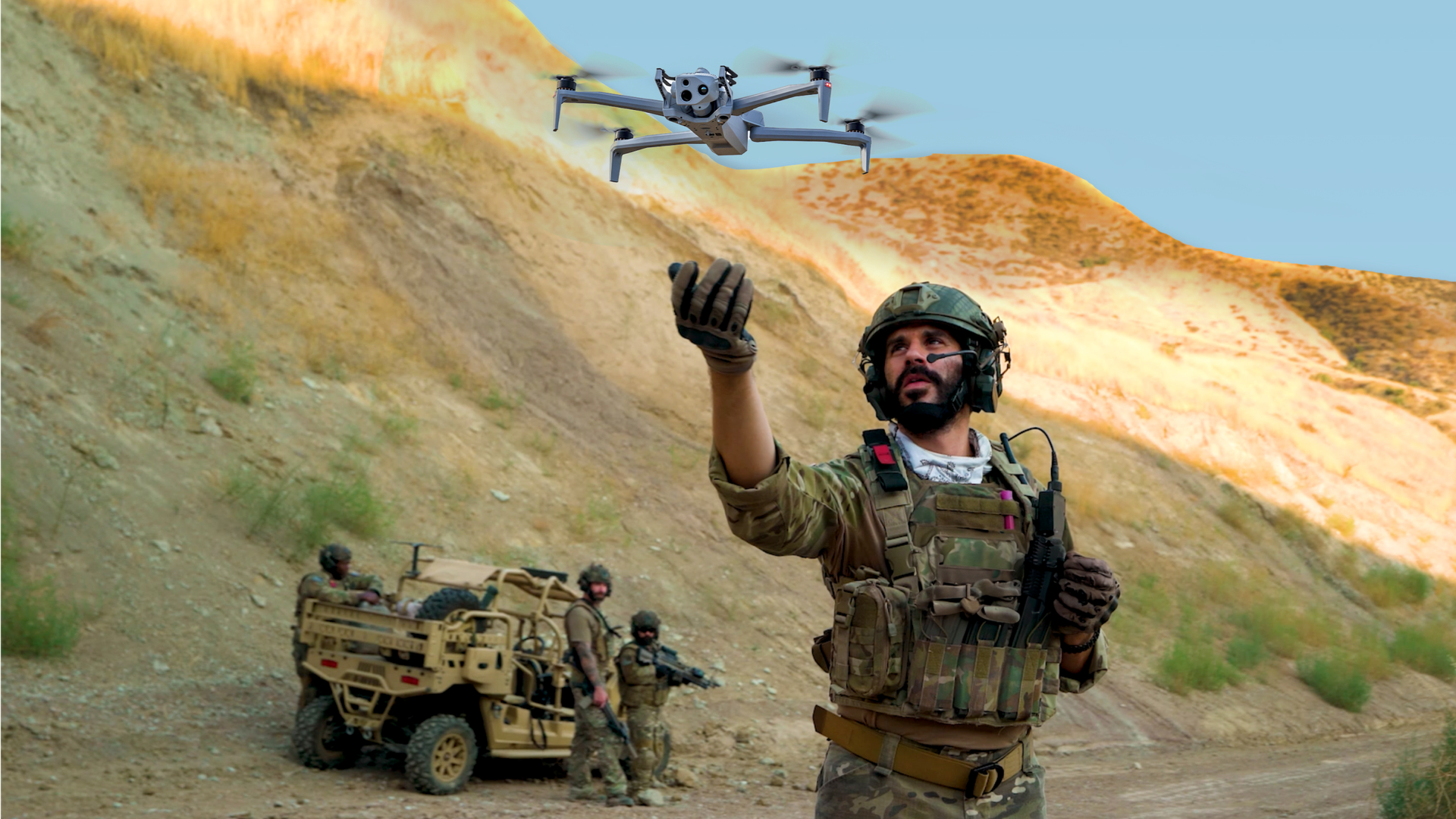
Ericsson revealed that its newest network‑sensing system is able to detect and follow low‑altitude drones by leveraging the current mobile‑phone infrastructure, a capability that may transform the way officials supervise unauthorized aircraft.
By exploiting the widespread presence of cellular towers, the solution converts them into passive radar stations that capture the radio signatures emitted by unmanned aerial vehicles. Analyzing minute shifts in signal strength and timing enables the platform to locate a drone without the need for dedicated radar equipment.
Initial field trials have already been conducted in the United States and Finland. AT&T teamed up with Ericsson to assess the technology at a number of urban locations, whereas Finnish operator Erillisverkot ran comparable tests in more rural environments. The two pilots both recorded successful detection of small, low‑flying UAVs that normally slip past conventional air‑traffic monitoring.
Analysts point out that this method could give regulators a cost‑effective addition to current air‑space oversight instruments. Since the solution rides on already‑installed cellular gear, the added cost is modest relative to the expense of deploying dedicated radar or acoustic sensors.
Privacy groups, however, warn that broadening the surveillance capabilities of mobile networks brings up concerns over data handling and oversight. Ericsson maintains that the system processes raw signal data on‑site and transmits only anonymised detection alerts to authorized parties, though the precise governance framework is still being debated.
For drone pilots, this advancement indicates a possible change in the risk environment. Both hobbyists and commercial operators may have to reckon with the fact that flying beneath standard aviation radar limits no longer ensures anonymity, particularly in densely covered urban zones.
Regulators are monitoring the technology closely. The Federal Aviation Administration and the European Union Aviation Safety Agency have each shown interest in how network‑based detection might be folded into current unmanned traffic management frameworks, though formal regulations have yet to be issued.
Going forward, Ericsson intends to fine‑tune the algorithm so it can separate drones from other low‑altitude objects like birds or weather balloons, with the goal of cutting false alarms. Should the technology scale as anticipated, mobile operators could serve as a frontline shield against rogue UAV activity, reshaping the equilibrium between drone innovation and public‑safety worries.



Comments (0)
Be the first to comment.
Join the discussion