EPA Suggests Dropping New Emission Standards for Power Plants
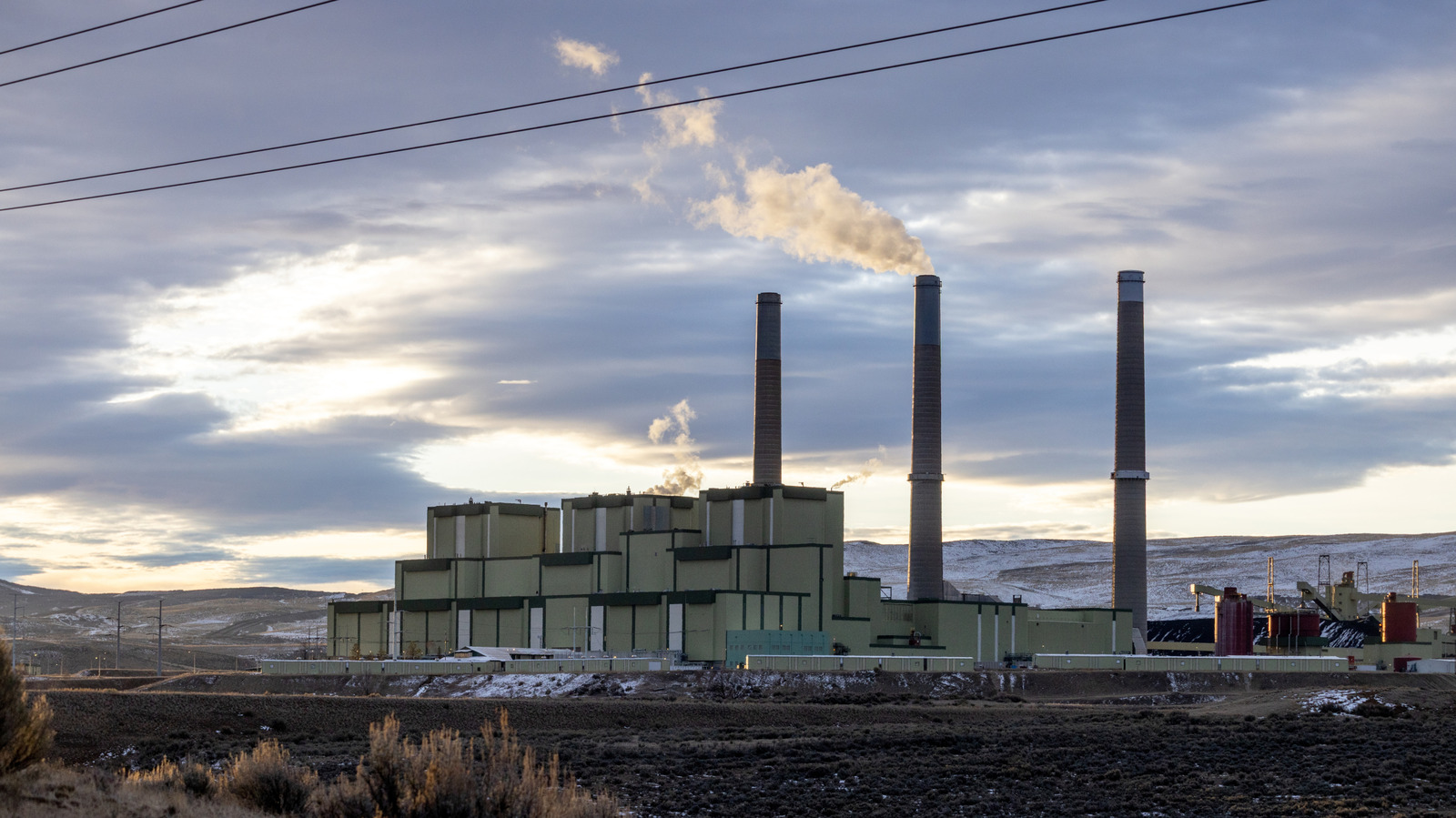
The EPA has put forward a proposal to stop imposing additional emission regulations on U.S. power plants, signaling a major change in how the agency oversees air quality.
The proposal would pull back pending regulations that sought extra controls on pollutants like nitrogen oxides, sulfur dioxide and carbon dioxide released by coal‑ and gas‑fired generators. Officials said the action aims to lessen what they call unnecessary regulatory strain on the power industry.
The move comes within a wider regulatory framework dictated by the Clean Air Act, which traditionally gives the EPA authority to establish nationwide standards for hazardous air pollutants. Previous administrations introduced landmark measures—chiefly the Clean Power Plan—to limit greenhouse‑gas output from major power plants, sparking lawsuits and prompting industry changes.
EPA leaders voiced worries about the expense of compliance for utilities and possible effects on consumer electricity prices. In its statement, the agency maintained that current standards already safeguard public health adequately and that additional limits might hurt economic competitiveness.
Environmental NGOs and a number of state governments swiftly condemned the proposal, cautioning that dismantling emissions oversight could undo gains in curbing smog, acid rain, and climate‑related health hazards. Scientists stressed that power‑plant emissions continue to be a major source of air pollutants tied to respiratory diseases and early mortality.
Should it take effect, the policy change could impact millions of Americans residing near coal‑dependent areas, where air‑quality gains over the last ten years have been partly credited to tighter emissions controls. Public‑health specialists warn that loosening standards could raise exposure to fine particulate matter, a recognized factor in cardiovascular disease.
The EPA's proposal emerges amid intensified political discussion on environmental regulation, with legislators from both parties weighing economic growth against climate initiatives. The administration has indicated broader deregulatory ambitions across various sectors, a position that may influence forthcoming legislative priorities.
Affected parties and the public are encouraged to submit comments during the open comment window, after which the agency will assess the input before deciding on finalizing the rollback. Legal challenges are anticipated, reflecting the history of court interventions in previous EPA rulemakings.
The result of this proposal is poised to shape U.S. air‑quality policy for years, impacting everything from community health results to the country's broader climate commitments.


Comments (0)
Be the first to comment.
Join the discussion