Enzyme UBE2N May Serve as Natural Defense Against Fatty Liver Disease Progression
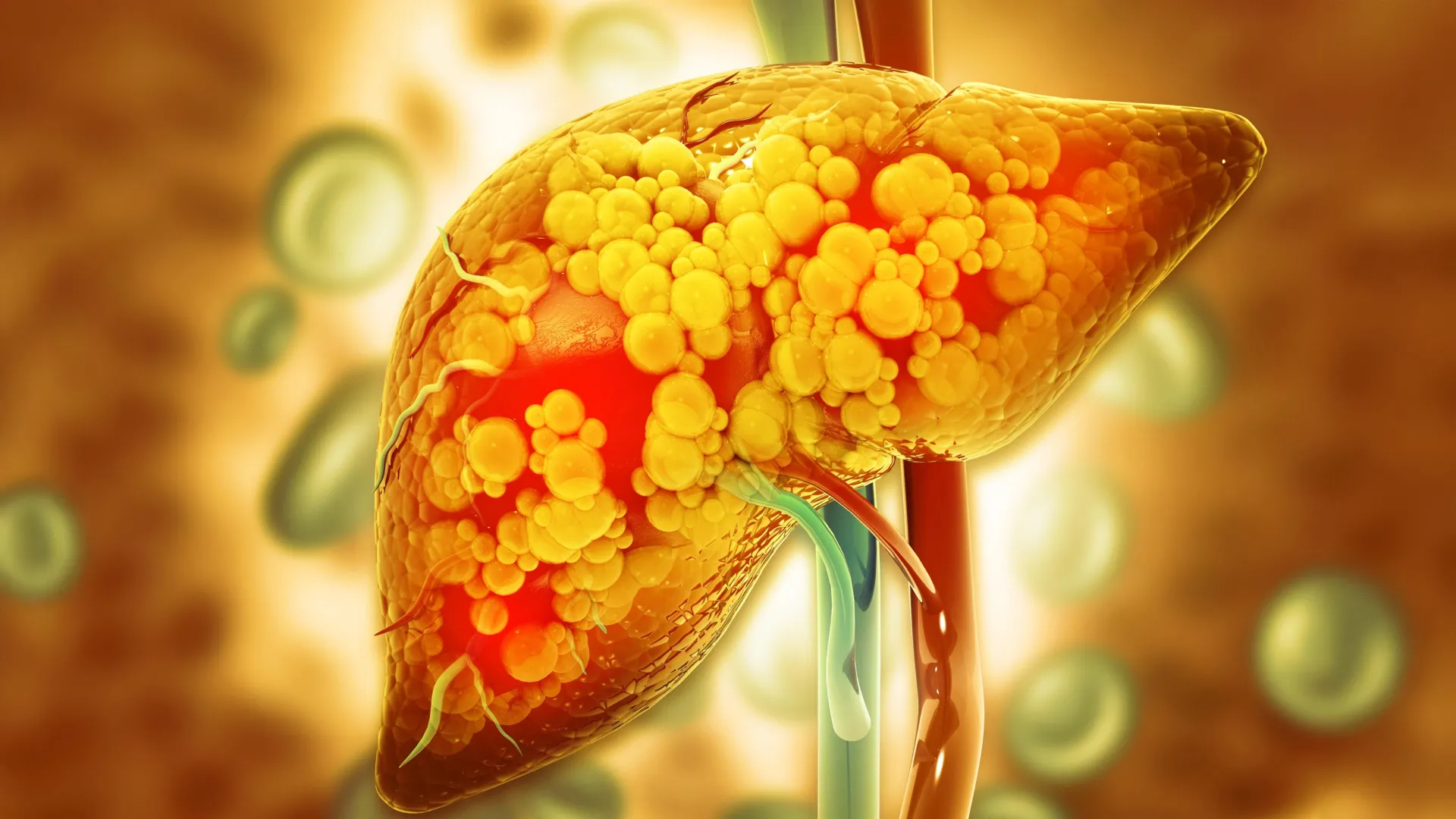
Scientists have identified a cellular enzyme that seems to shield the liver from worsening fatty liver disease, a disorder affecting about 100 million Americans. The protein, called UBE2N, participates in clearing defective mitochondria and degrading surplus fat inside hepatocytes, providing a possible innate way to stop disease progression.
Reported by ScienceDaily, the research underscores UBE2N’s involvement in mitophagy—a mechanism that detects and removes impaired mitochondrial parts. By disposing of these malfunctioning “power plants,” the enzyme preserves cellular energy homeostasis and averts accumulation of harmful by‑products that can incite inflammation and fibrosis in liver tissue.
Non‑alcoholic fatty liver disease (NAFLD) has become the nation's leading chronic liver condition, frequently associated with obesity, insulin resistance and lack of physical activity. Although lifestyle modification remains the main advice, few drug treatments exist, driving researchers to investigate endogenous regulatory pathways for potential therapies.
The results indicate that enhancing UBE2N function—whether via pharmaceuticals or genetic methods—might strengthen the liver’s natural capacity to cope with lipid excess and mitochondrial strain. Yet the work remains preliminary, and additional animal experiments and human clinical trials are needed to assess safety, ideal dosing, and long‑term effects.
Should future studies validate these early findings, therapies aimed at UBE2N could become pivotal in stopping the shift from simple steatosis to advanced stages like non‑alcoholic steatohepatitis (NASH) and cirrhosis, thereby easing the clinical load on a healthcare system already taxed by metabolic illnesses.


Comments (0)
Be the first to comment.
Join the discussion