Energy Department Directs Data Centers to Use Backup Power Amidst Grid Stress from Heatwaves
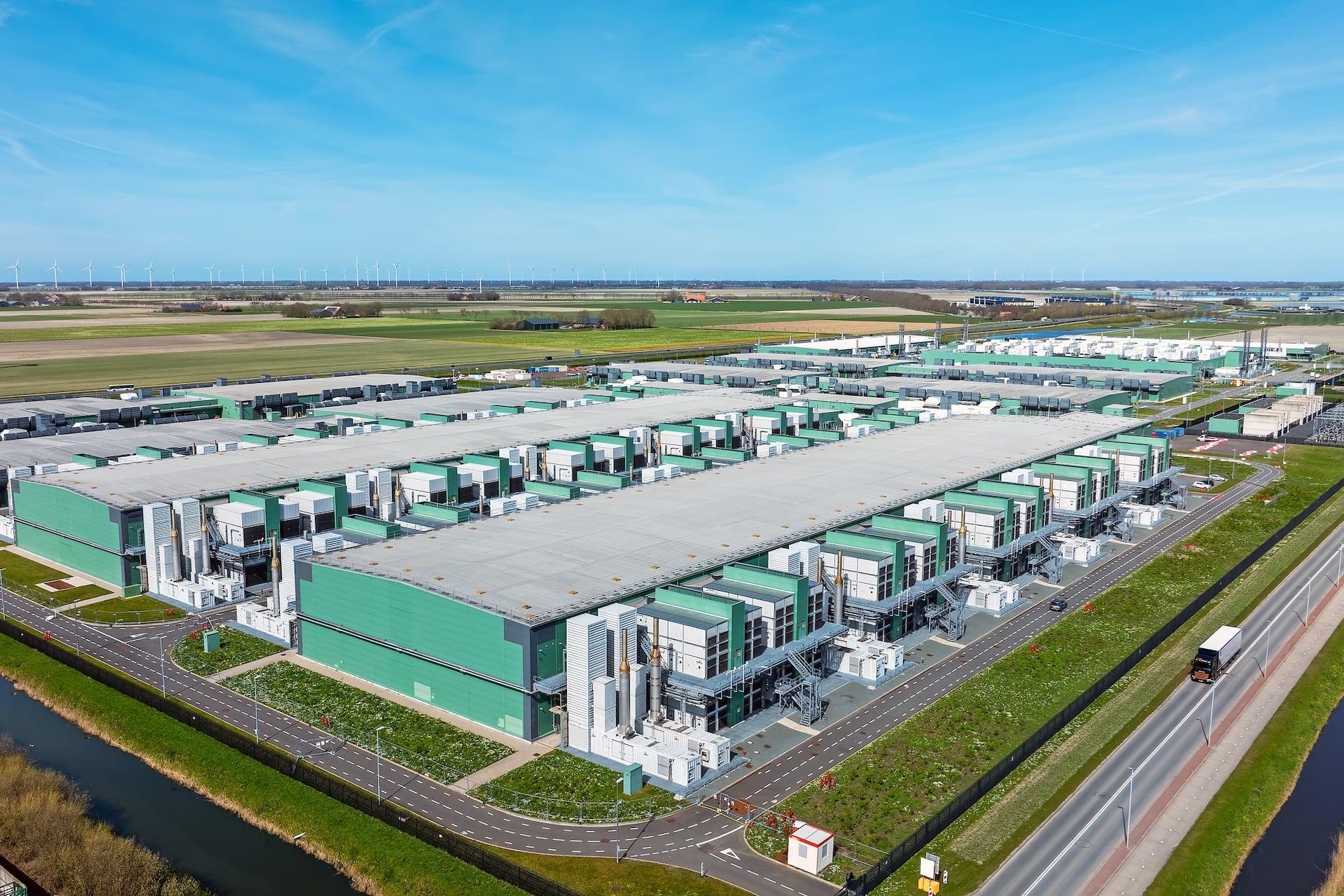
To enhance the stability of the electrical grid during periods of peak consumption, the U.S. Department of Energy has granted authority to a key grid operator to require data centers to utilize their independent backup power systems. This instruction emerges as various regions contend with severe heatwaves, which considerably heighten the potential for power interruptions and place significant strain on existing infrastructure.
This federal authorization allows the grid operator to compel these power-intensive facilities to detach from the main electrical supply, instead drawing power from their on-site generators. The objective is to lessen the burden on the grid when it is most vulnerable, thereby ensuring that vital services and residential areas maintain uninterrupted electricity access during peak demand, largely driven by widespread air conditioning usage.
Data centers, indispensable to contemporary digital infrastructure, are known for their substantial electricity consumption. They operate continuously, 24 hours a day, 7 days a week, consuming vast quantities of power not only for computational tasks but also for cooling their extensive arrays of servers. This constant, high-volume power usage can become a decisive factor in grid stability, especially when meteorological conditions push the electrical network to its operational limits.
The Department of Energy's intervention highlights a deepening concern among federal regulators and grid operators regarding the robustness of the nation's power framework. With climate change contributing to more frequent and intense weather phenomena, and as the digital economy continues its expansion, managing the dynamic relationship between energy demand and supply presents an increasingly intricate challenge.
For entities operating data centers, this directive may necessitate operational adjustments and potentially incur higher expenses associated with running backup generators, which frequently rely on fossil fuels such as diesel. While the majority of data centers possess robust backup mechanisms to guarantee continuous service, their regular activation for grid assistance, rather than solely for emergency power, could fundamentally alter operational approaches.
This determination establishes a precedent for how federal bodies might oversee major industrial electricity consumers during periods of crisis. It underscores a strategic shift toward actively managing demand-side resources as an essential element of grid reliability, moving beyond a sole focus on expanding generation capacity.
Looking ahead, this measure could indicate a broader trend where significant industrial and commercial electricity consumers are increasingly incorporated into proactive grid management frameworks. Potential long-term ramifications include incentives for more sustainable backup power solutions or deeper integration of data centers into demand response initiatives aimed at optimizing energy consumption across the entire grid.



Comments (0)
Be the first to comment.
Join the discussion