Elevated Miro1 Protein Tied to Insulin Resistance in Type 2 Diabetes
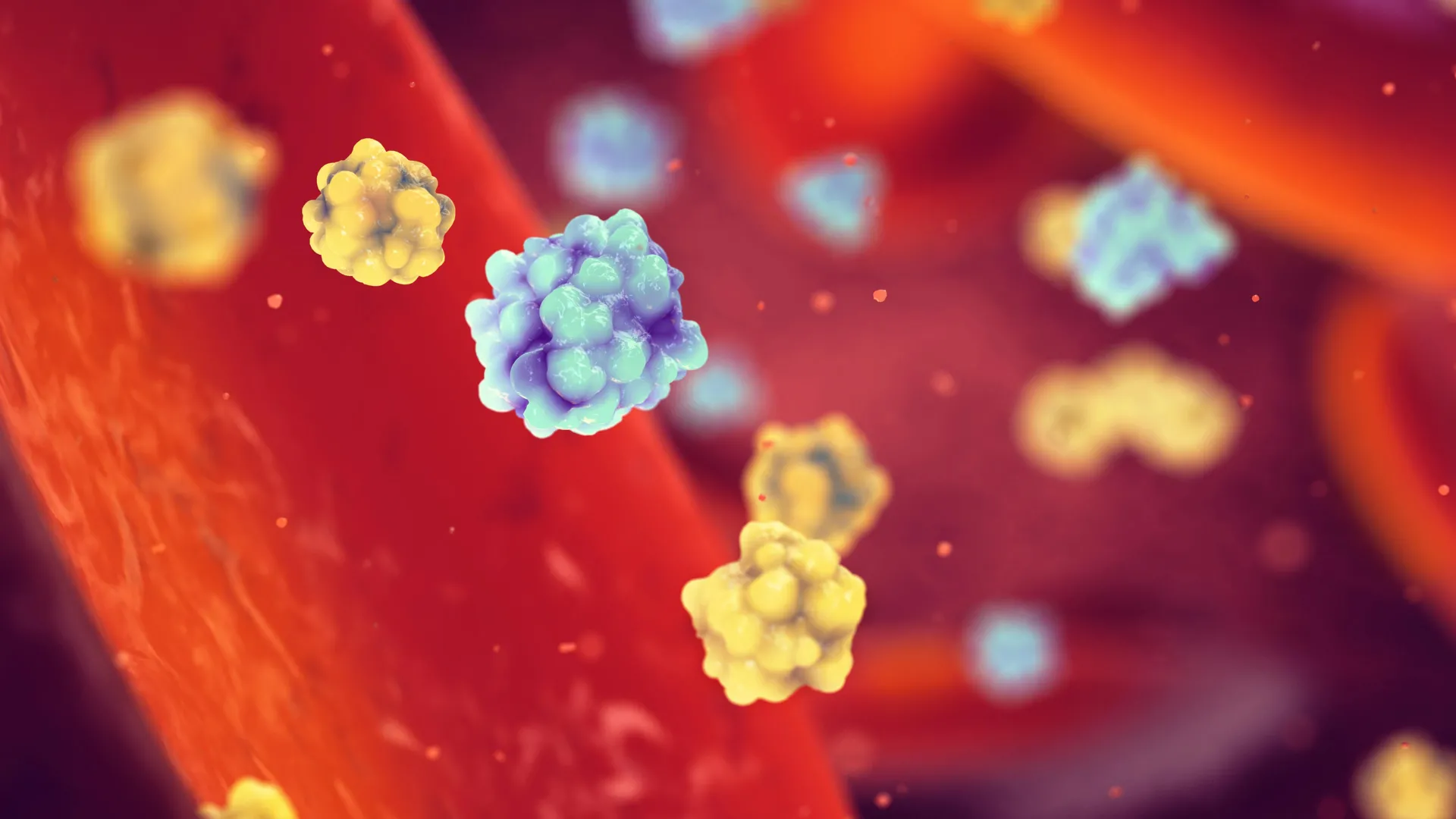
Scientists have pinpointed the mitochondrial protein Miro1 as a possible covert contributor that hampers skeletal muscle’s insulin responsiveness, a key feature of type 2 diabetes. In lab studies, mice genetically modified to eliminate surplus Miro1 restored normal glucose absorption in muscle, indicating the protein’s direct involvement in the condition.
The study, carried out by a group of metabolic researchers, examined how muscle cells process insulin cues. Diabetic models exhibited a pronounced rise in Miro1, which coincided with diminished activation of the insulin‑signaling cascade. Upon experimental deletion of the protein, the pathway recovered, and glucose control improved absent any additional treatments.
The results introduce another dimension to the intricate landscape of insulin resistance, historically associated with obesity, chronic inflammation and lipid buildup. Miro1 is situated on the outer mitochondrial membrane—the cell’s power plants—and governs mitochondrial trafficking and calcium regulation. Connecting its excess to impaired insulin signaling highlights mitochondrial dynamics as an overlooked factor in metabolic disorders.
Notably, the investigators found that habitual exercise reduced Miro1 amounts in muscle. Mice engaged in a treadmill‑based training program showed protein levels similar to those of healthy counterparts, alongside concurrent enhancements in insulin sensitivity. This dovetails with the long‑standing clinical insight that physical activity aids glucose regulation, providing a molecular rationale that may inform upcoming therapeutic approaches.
Although the research is still preclinical, it opens the possibility of directly targeting Miro1 with pharmacological agents or employing lifestyle changes to adjust its expression. Specialists warn that extrapolating mouse findings to humans will demand thorough validation, yet the evident mechanistic connection offers a concrete target for subsequent investigations.
Should future research verify Miro1’s involvement in human diabetes, it may alter clinical treatment strategies, supplementing current methods centered on diet, weight control and medication. For the moment, the finding emphasizes mitochondrial health’s significance in metabolic regulation and bolsters initiatives to leverage exercise‑driven molecular shifts in the fight against type 2 diabetes.


Comments (0)
Be the first to comment.
Join the discussion