Electronic Device Inspections at US Borders Jump 32% in 2024
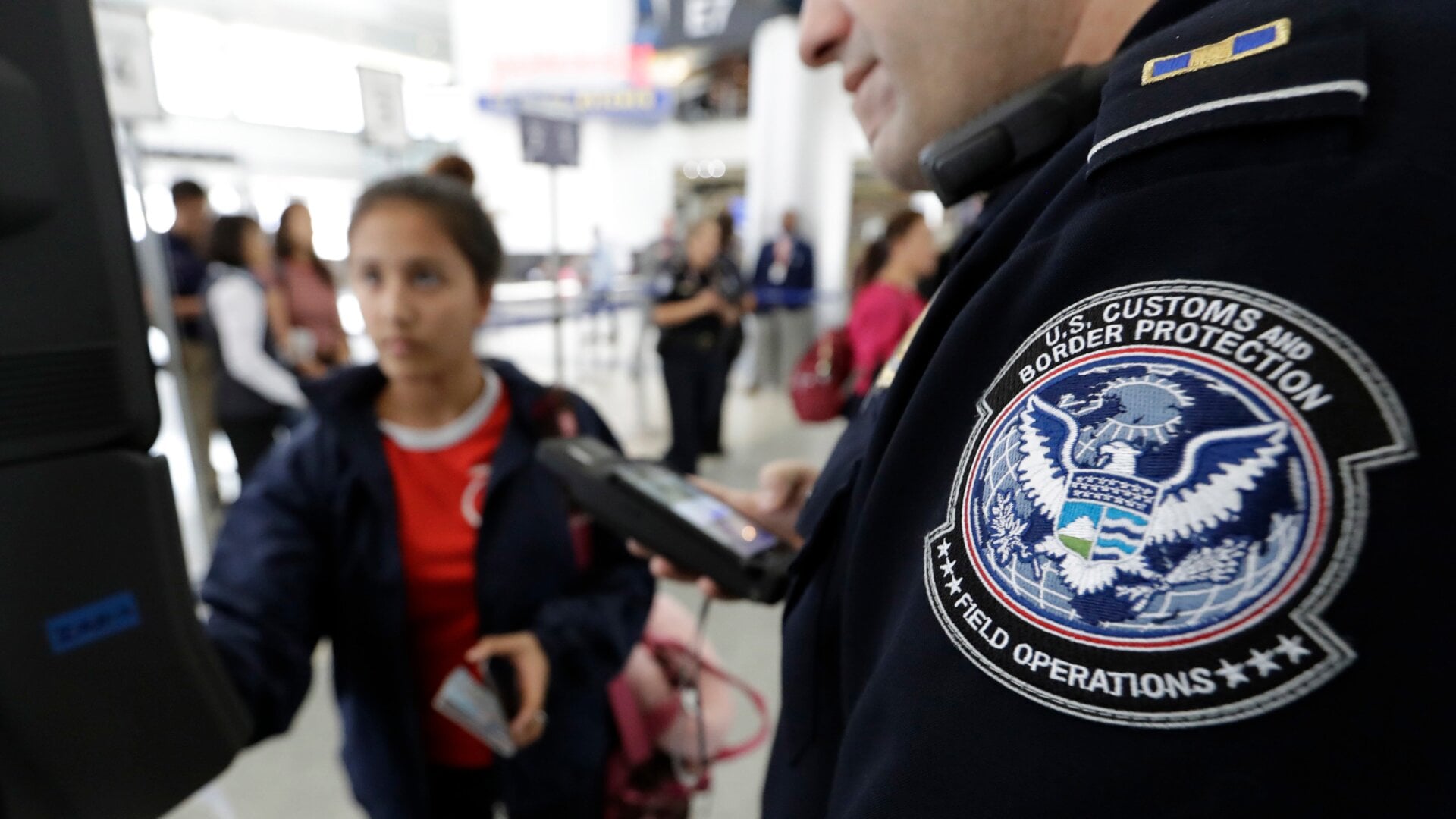
U.S. Customs and Border Protection (CBP) reports that customs agents are now checking personal electronic gadgets far more frequently than in prior years, noting a 32% jump in laptop and smartphone examinations during 2024 to date. This surge points to stricter security measures for the millions of travelers entering the United States each month.
According to CBP representatives, the rise is part of a wider initiative to counter diverse dangers, including illegal immigration, drug smuggling and cyber‑crime. Although the agency has traditionally possessed the power to inspect merchandise and baggage at border points, scrutiny of electronic devices has grown as investigative technologies now allow data to be pulled remotely. While CBP did not reveal the absolute count of gadgets examined, the percentage increase indicates that electronic checks have become a commonplace element of many travelers’ entry process.
The legal foundation for such inspections lies in the "border search exception" to the Fourth Amendment, permitting customs officers to perform warrant‑free searches at entry points. Recent judicial decisions have upheld this doctrine while also recognizing rising privacy worries given the vast personal data housed on smartphones. Civil‑rights groups contend that the distinction between lawful security checks and intrusive probing is growing ever more indistinct.
Passengers have noted extended queues and increased nervousness when officials ask to view phones, laptops, and even cloud‑based accounts. A number of travelers do not realize they may decline to unlock a device, yet such a refusal can trigger a secondary inspection or result in denial of entry. Airlines and travel advisory services are now alerting flyers to the chance of device examinations, recommending that they back up their data and think about encrypting confidential information prior to crossing.
Privacy organizations are demanding more openness and oversight, pressing Congress to assess whether the present breadth of electronic searches conforms with constitutional safeguards. CBP, meanwhile, asserts that these actions are vital for national security and that agents adhere to rigorous procedures designed to limit undue intrusion.
Experts forecast that the pattern will continue as technology advances and law‑enforcement bodies broaden their digital tools. Though the precise future path is unclear, this year’s 32% rise highlights a changing environment where personal data is increasingly treated as a security resource at the country’s entry points.



Comments (0)
Be the first to comment.
Join the discussion