eDNA Mapping Reveals Full Scope of Coral Presence in Ryukyu Islands
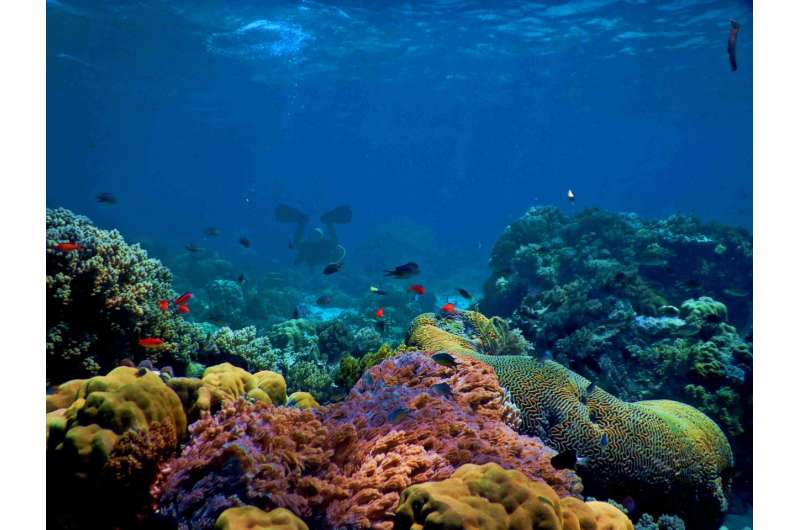
A groundbreaking online platform, employing advanced environmental DNA (eDNA) techniques, now delivers a comprehensive understanding of hard coral populations throughout Japan's Ryukyu Islands. This innovative tool is set to significantly enhance marine conservation efforts and deepen our comprehension of the environmental changes affecting these crucial marine ecosystems.
Surveying species across vast underwater regions has traditionally posed significant logistical hurdles. This novel eDNA methodology overcomes such challenges by collecting genetic material—like skin cells or waste—that organisms naturally release into their environment. Analyzing this DNA enables researchers to identify species present in an area without direct observation, offering an unobtrusive yet thorough survey approach.
The Ryukyu Islands are celebrated for their rich marine life, featuring extensive coral reefs that act as vital habitats for countless species and deliver indispensable ecosystem services. Gaining precise insight into the distribution and health of these corals is crucial, given their susceptibility to climate change, ocean acidification, and localized human pressures.
Until now, a centralized and exhaustive dataset detailing the hard coral distribution across this particular archipelago was largely unavailable. This new digital resource fills that critical gap, establishing a fundamental baseline that clarifies the current condition of coral communities across the entire region.
This detailed mapping data will prove indispensable for conservation initiatives. By precisely identifying where specific coral species are thriving or experiencing decline, conservationists can devise more targeted and effective strategies. It facilitates improved long-term monitoring of coral health and helps evaluate the effectiveness of protective measures against persistent environmental threats.
The successful application of eDNA-driven mapping in the Ryukyu Islands highlights its immense potential for similar deployment in marine environments worldwide. Such methods could fundamentally transform how we conduct biodiversity surveys, particularly for elusive or hard-to-reach species, providing an efficient and economical way to gather vital ecological information.
Ultimately, successful conservation relies on a profound understanding of the ecosystems we aim to protect. This new online platform offers an invaluable perspective into the intricate world of Ryukyu Island corals, providing scientists and policymakers with the essential data needed to safeguard these precious natural assets for future generations amid a changing climate.


Comments (0)
Be the first to comment.
Join the discussion