Ecological Revival: Mountain Lions Transform a California Nature Reserve
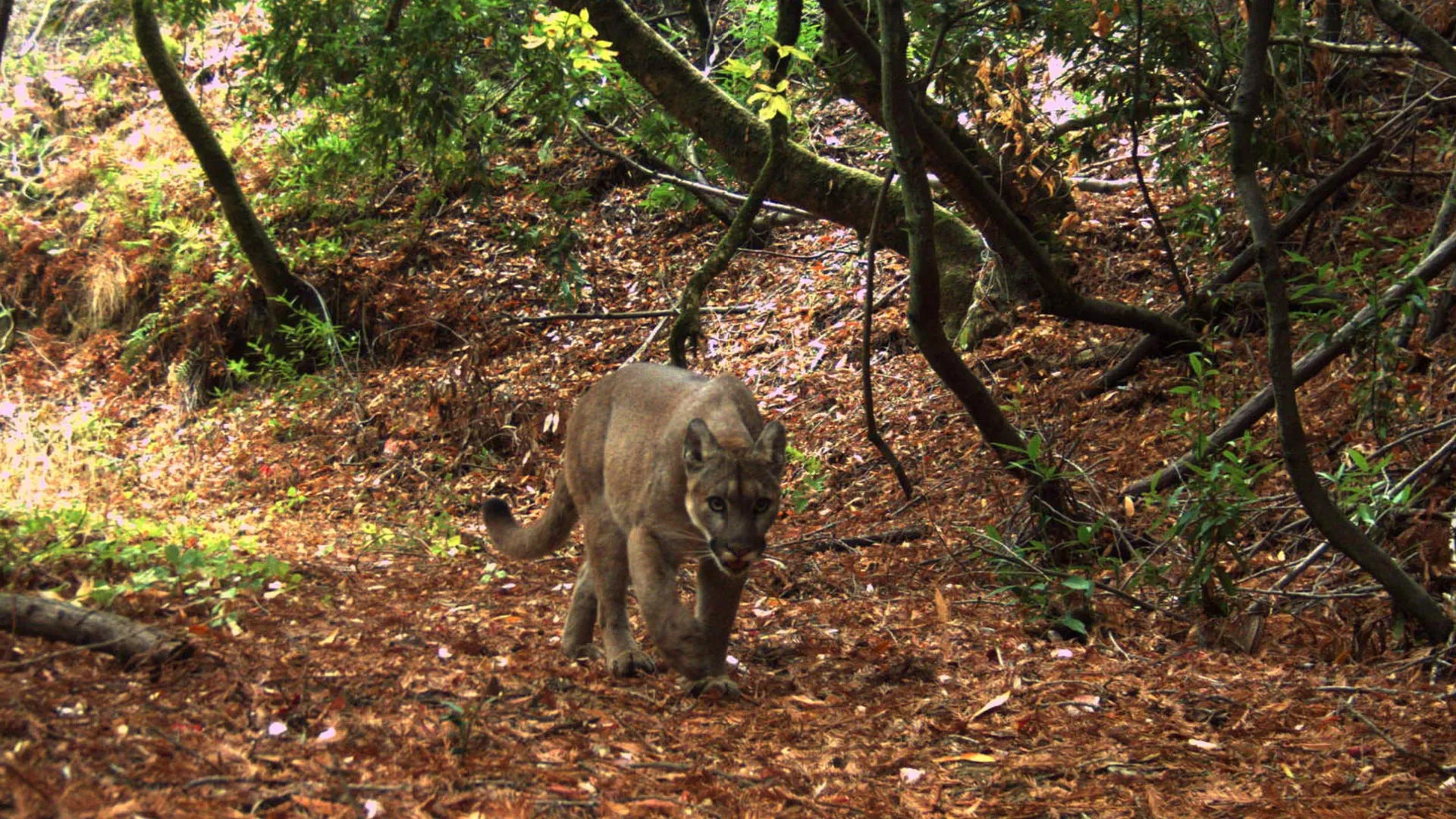
Recent observations reveal that the reintroduction of mountain lions into a modest nature preserve located just south of San Francisco has brought about a deep and unforeseen ecological metamorphosis. Their expanding numbers have set in motion a series of environmental shifts, fundamentally reshaping the local ecosystem's operations, from its highest predators to its botanical inhabitants.
Scientists identified that the primary and most significant alteration manifested in the conduct and engagement levels of deer. As mountain lions began to roam the preserve with greater regularity, deer activity saw a marked decline. This lessening of grazing pressure from herbivores subsequently triggered a ripple effect across the entire habitat.
A particularly notable outcome of the reduced deer population was the impressive resurgence of native plant communities. Sections of the preserve that had previously suffered from excessive grazing started to thrive, illustrating the vital function apex predators serve in sustaining the botanical richness and vitality of an ecosystem.
In addition to their direct influence on deer and vegetation, the reappearance of mountain lions also instigated alterations among other predatory species residing within the preserve. Researchers observed modifications in the numbers or conduct of mesopredators, including coyotes, bobcats, and foxes, signaling an intricate recalibration of the predatory structure.
Experts term this phenomenon a 'trophic cascade,' which demonstrates how changes at the pinnacle of the food web can echo throughout an entire ecological system. Even within a comparatively small and possibly isolated sanctuary, the existence of a keystone predator such as the mountain lion proved sufficient to spark extensive environmental adaptations.
These discoveries emphasize the profound ecological sway that apex predators exert, even in habitats that might be perceived as too restricted for such substantial carnivores. This research questions traditional beliefs about how top predators engage with and mold smaller, disjointed environments, accentuating their indispensable contribution to upholding ecosystem health and robustness.
Consequently, these revelations hold significant weight for conservation initiatives, indicating that safeguarding and enabling the mobility of apex predators, even into more confined natural territories, could serve as an potent instrument for ecological recovery. Grasping these complex interdependencies can guide forthcoming land management approaches focused on cultivating more resilient and inherently balanced ecosystems.
For more articles like this, visit Independent Publication.


Comments (0)
Be the first to comment.
Join the discussion