Drone survey reveals stark divide in New Zealand’s erect‑crested penguin colonies
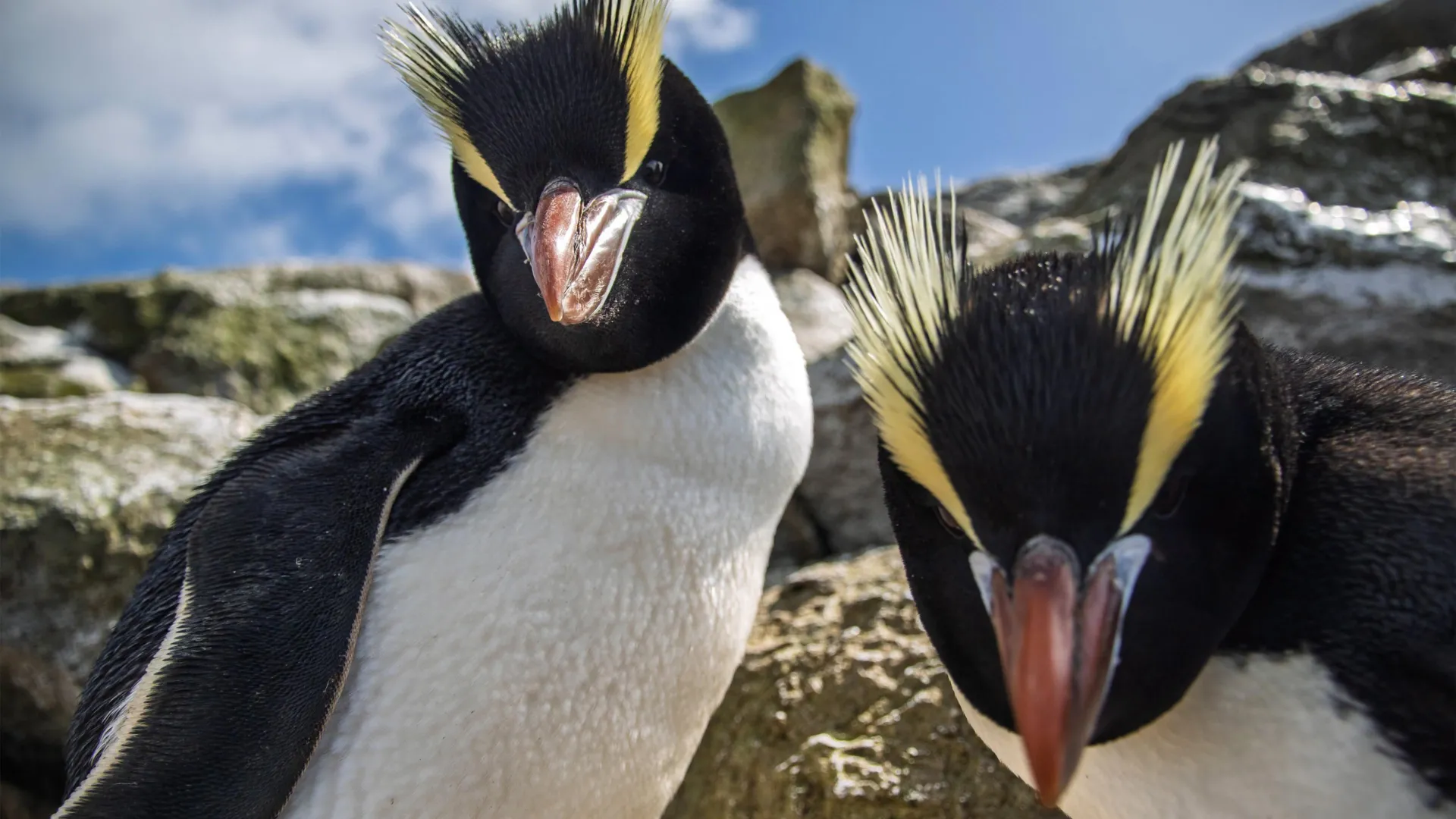
An aerial survey carried out with unmanned drones has uncovered a striking split in the status of New Zealand’s endangered erect‑crested penguins, with one breeding colony remaining stable for decades while another has contracted by over 40 %.
The erect‑crested penguin, a diminutive flightless bird that nests only at a few coastal locations on the South Island, has long been classified as endangered due to its restricted distribution and susceptibility to introduced predators. Conservationists have warned that, without intensive management, the species could vanish from the wild.
Scientists flew a fleet of lightweight drones over the two principal breeding sites during the height of the nesting season, gathering high‑resolution photographs that permitted counts of nests, chicks and adults without disturbing the birds. This technology, now commonplace in wildlife monitoring, delivered a population snapshot far more accurate than previous ground‑based surveys.
The imagery analysis indicated that the northern colony, located near a protected reserve, has held a roughly constant number of breeding pairs for at least three decades. By contrast, the southern colony on a more exposed shoreline showed a sharp decline, with the most recent tally revealing a loss of about 40 % of its individuals. Researchers link the drop to several causes: predation by stoats, feral cats and rats that have found easier entry to the nesting area, together with deteriorating marine conditions that limit the small fish and krill the penguins rely on.
These results highlight the pressing need for focused conservation measures. Authorities are already planning intensified predator‑control efforts around the at‑risk site and are considering actions to boost marine protection and improve food availability. Ongoing drone monitoring will allow managers to assess the success of these interventions and tweak strategies as required, offering a hopeful route for a species perched on the brink.



Comments (0)
Be the first to comment.
Join the discussion