Delhi Initiates Annual Winter Air Quality Campaign to Reduce Pollution
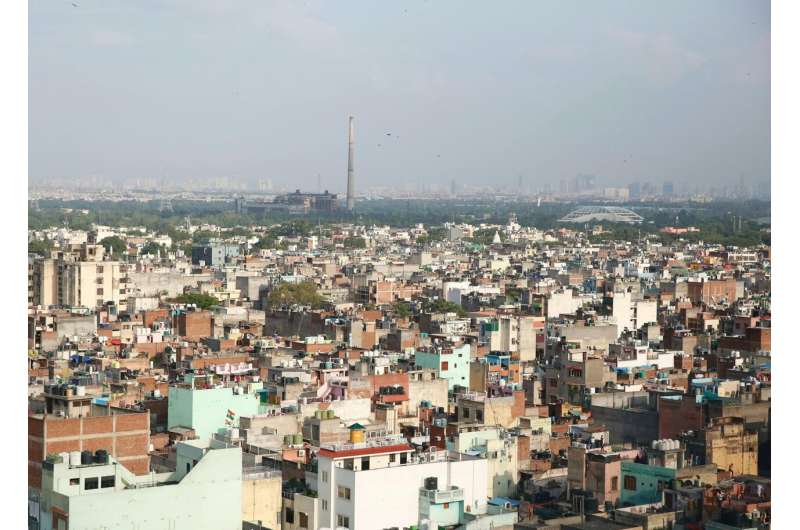
This Thursday, India launched its annual winter air‑quality program in New Delhi, marking a fresh effort to diminish the poisonous smog that habitually covers the sprawling metropolis as the weather cools.
With about 30 million inhabitants, Delhi persistently appears on lists of the world’s most polluted capitals. During winter, temperature inversions lock in fine particles—especially PM2.5—producing hazardous air that has led doctors and environmental bodies to issue continual alerts.
The newest set of restrictions tackles multiple angles. Emission rules for vehicles have been stricter, as officials enlarge low‑emission zones and step up diesel‑truck inspections. Certain construction sites must cease dust‑producing work, and power plants using high‑sulfur fuel are mandated to adopt cleaner options. Together, these actions aim to curb the main contributors to winter haze.
At the same time, Delhi has expanded its monitoring system, adding more real‑time sensors to measure pollutant levels in various districts. Health warnings are broadcast via media and mobile notifications, advising citizens—particularly people with breathing problems—to stay indoors during the worst pollution periods. The transport authority is also encouraging public transit, providing reduced fares on buses and the metro to cut down private‑vehicle use.
Medical specialists caution that extended contact with elevated pollution can aggravate asthma, heart disease, and early death, placing a substantial strain on the health system and the economy. By trimming emissions ahead of the winter apex, officials aim to reduce hospital visits and bring Delhi’s air‑quality path in line with India’s wider climate and sustainability goals.
Officials have committed to assess the measures each week, ready to prolong or tighten restrictions should air‑quality readings not improve. In the longer view, the city plans to integrate cleaner technologies into its infrastructure, boost electric‑vehicle uptake, and apply tougher industrial emission rules, setting the stage for a cleaner future beyond the current winter period.


Comments (0)
Be the first to comment.
Join the discussion