Connected Water Treatment Plants Spark Cybersecurity Concerns, Experts Call for Paper Backups
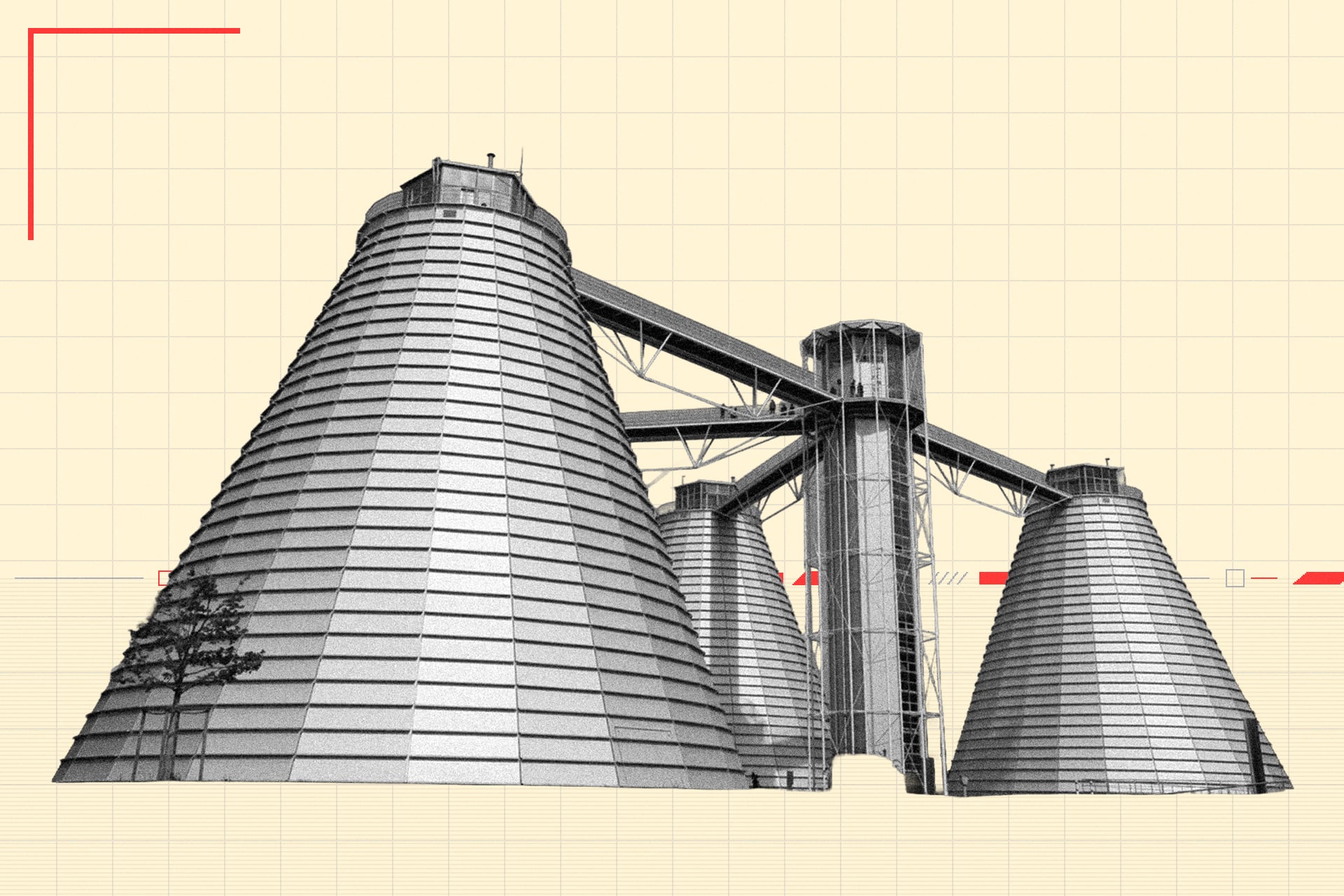
Across the United States, water and wastewater treatment plants continue to be tied to corporate networks and the public internet, raising red flags among cybersecurity experts about possible remote sabotage or data theft. What began as a means to simplify monitoring and automate control now places essential public‑health infrastructure at the crossroads of a fast‑growing threat environment.
Sources within the industry note that many facilities still operate supervisory control and data acquisition (SCADA) systems that were built decades ago, long before ransomware and state‑backed hacking became common. While newer, network‑capable hardware has been installed, the rollout of solid segmentation and authentication lags behind, leaving older gear vulnerable to malicious traffic that could travel from an innocuous office PC to a chemical dosing valve.
Analyses of recent cyber‑incident logs reveal a rise in attempts to breach utility networks, with water treatment sites appearing frequently among the targets. Although no major outage has been verified so far, the mere prospect of an adversary altering chlorine levels or shutting down filtration triggers concern for regulators and the public. Both the Federal Energy Regulatory Commission (FERC) and the Environmental Protection Agency (EPA) have issued advisories recommending “defense‑in‑depth” approaches, yet implementation varies.
In reaction, an expanding group of engineers and policymakers is urging a return to manual, paper‑based contingency procedures. "We just need to teach this generation how to get back to paper very, very quickly," a senior plant manager told Gizmodo, stressing that crews must be capable of running critical processes without digital aid if networks are compromised. Offline‑scenario drills are now being added to certification curricula, and some municipalities are producing printed run‑books that spell out step‑by‑step valve adjustments and chemical dosing formulas.
Going forward, the industry must balance two goals: upgrading infrastructure to capture the efficiency gains of the Internet of Things while simultaneously fortifying those systems against intrusion. Legislative proposals in Congress seek to earmark federal grant money for cybersecurity upgrades, and the Department of Homeland Security has pledged extra resources for threat‑intelligence sharing. Until those initiatives materialize, experts caution that the most reliable short‑term safeguard remains a mix of network segmentation, frequent patching, and the capacity to switch back to paper‑based controls instantly.



Comments (0)
Be the first to comment.
Join the discussion